Does your team waste time hunting for missing tools or digging through messy spreadsheets? Physical clutter blocks your pipeline and stalls corporate momentum. You know how a messy room ruins your morning routine. A chaotic workspace destroys business productivity even faster.
Fortunately, smart business leaders deploy 5S in the workplace to establish absolute order and boost daily output. This framework transforms your corporate culture into a lean machine. When you install these visual habits, operational problems instantly reveal themselves. Every team member gains total clarity on where assets belong.
This article breaks down exactly how top modern firms use this strategy to eliminate operational lag. Read on to master this foundational approach and capture immediate efficiency gains today.
What is 5S in the Workplace and How Does It Work?
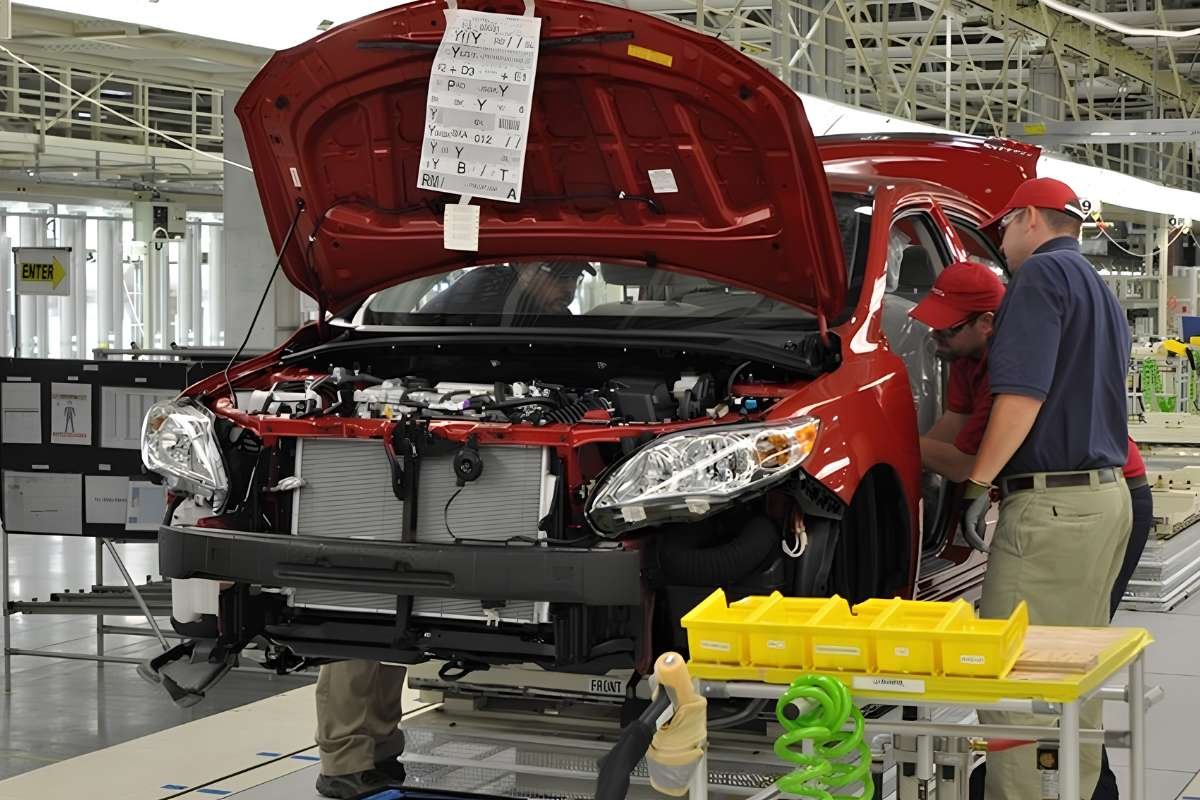
Toyota engineers pioneered this discipline to eliminate systemic waste within the Toyota Production System. The framework draws from five Japanese terms: Seiri, Seiton, Seiso, Seiketsu, and Shitsuke. Today, we translate these concepts into five English action words: Sort, Set in Order, Shine, Standardize, and Sustain.
This methodology relies entirely on simple visual cues. Deploying 5S allows your team to spot operational anomalies within seconds. This method optimizes workspaces physically and mentally. It removes non-value-added tasks so employees stop wasting energy on activities that do not generate profit.
This clean organization provides a vital foundation for advanced frameworks like Six Sigma or Total Productive Maintenance. Your facility needs this basic order before you introduce complex automation or process improvements. It serves as your primary gateway to operational excellence across all departments.
Step-by-Step Execution of the 5S in the Workplace
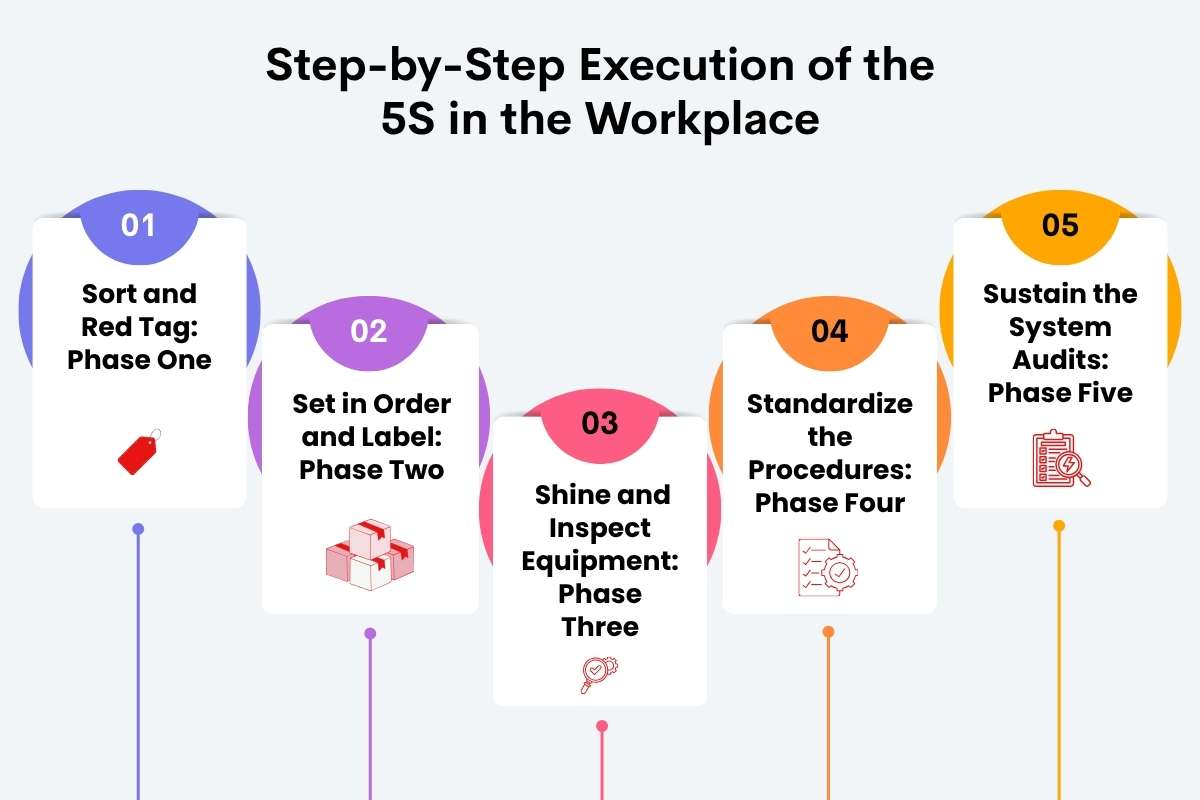
Success takes a disciplined team and a clear plan. You cannot simply tell workers to clean their desks and expect long-term results. Let us look at the exact steps to launch the 5S.
This process transforms a messy area into a high-performance workspace.
1. Sort and Red Tag: Phase One
Workers check every item in the work area. The team removes tools and paperwork they do not need daily. Managers tag questionable items and move them to a separate holding area.
2. Set in Order and Label: Phase Two
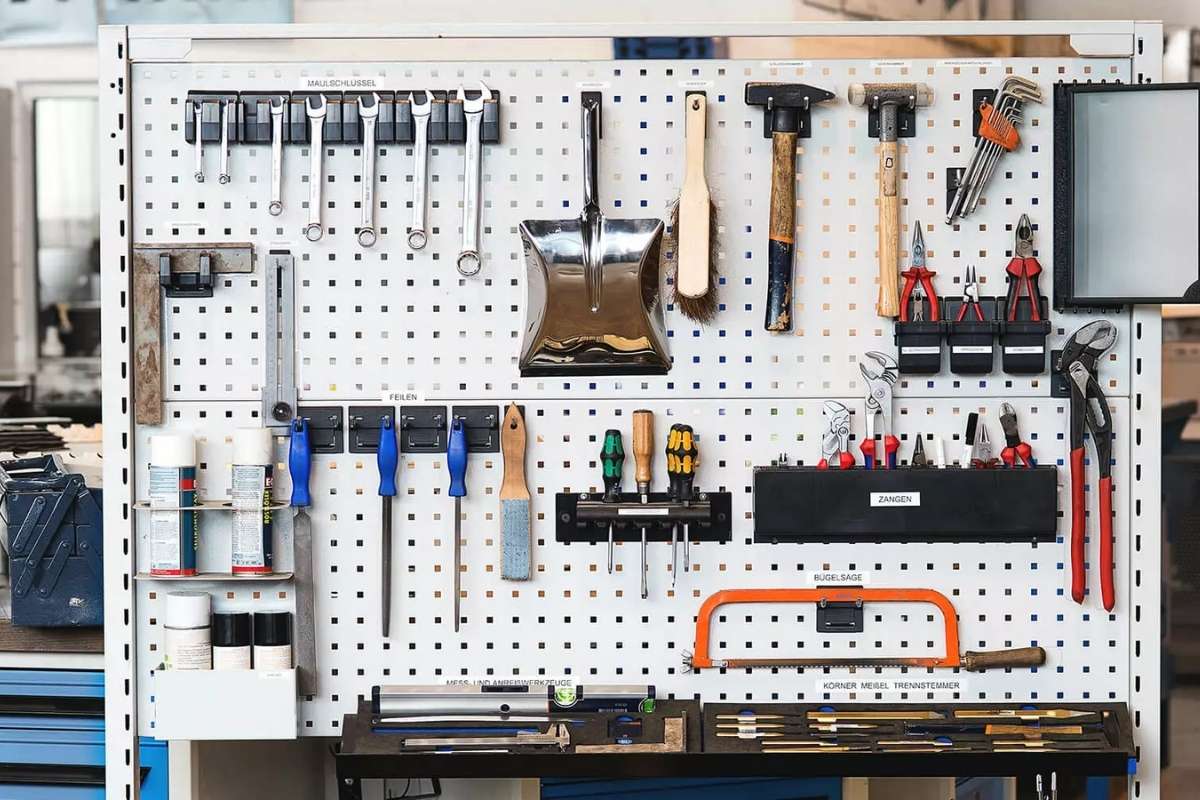
Employees arrange the remaining items for quick access. Every tool gets a permanent home. Teams use shadow boards and labels so workers can return items fast.
3. Shine and Inspect Equipment: Phase Three
Staff members clean the entire work area during every shift. This step goes beyond simple cleaning. It serves as a machine inspection. Operators spot leaks and early wear before machines break.
4. Standardize the Procedures: Phase Four
Supervisors create daily checklists to keep up the progress. They post simple visual guides at the workstations. This step turns temporary cleaning into a permanent habit.
5. Sustain the System Audits: Phase Five
Managers schedule regular checks and reward teams that follow the rules. Leaders include these scores in monthly reviews. This constant focus keeps the workplace neat.
The jump from phase three to phase four trips up many managers. Teams often get a spotless floor but fail to write down the rules. Without clear standards, the workspace gets messy again in a few weeks. Lock in your wins by assigning clear cleaning zones to your team.
The final step connects right back to the first step to create an endless cycle. This steady flow helps your facility adapt when production demands change.
READ MORE:
- How to Lead in a Hybrid Workplace Without Losing Trust or Performance
- 7 C’s of Communication That Fix Common Workplace Mistakes
How Does 5S in the Workplace Cut Your Production Costs?
Managers see great financial rewards when they stick to workplace organization for a long time. Standard workshops save hundreds of labor hours each year just by using these rules. Clean workspaces prevent common errors that slow down your main production line.
Think about a typical assembly line where workers handle tiny parts on messy desks. Mistakes happen fast when items lack a clear home. Launching 5S in the workplace fixes these quality crises before they hurt your profits.
Building custom shadow boards for tools and labeling every parts bin keeps production moving. Adding a short five-minute cleanup to the end of every work shift protects your daily output. These simple choices save your business from huge quarterly losses.
Typical facilities cut their product defect rates by over half within six months of starting the program. Teams also slash tool search times down to almost zero. A clean workbench directly prevents item failures and protects your business reputation.
How Can You Maintain Your 5S Workplace Gains?

The real test of your plan happens six months after you start. Most companies fail here because people naturally slip back into old habits. You must build a strong review system to keep 5S in the workplace active.
Visual tracking keeps workers engaged. Use these specific strategies to protect your organizational progress.
- Use simple scoring sheets and rate each work area from one to five based on what you see.
- Post visual scoreboards to display weekly scores publicly and spark friendly competition between shifts.
- Reward high-performing teams by celebrating winning shifts with public praise or cash bonuses to keep motivation high.
- Update checklists regularly so your audit sheets change whenever you bring new machines into the building.
Treat your review sheets as living documents that adapt as your daily tasks change. This simple choice keeps the system useful and stops workers from viewing it as a boring chore.
Conclusion:
Changing your facility into a profitable workspace takes steady leadership focus. You now have the exact plan to launch 5S in the workplace and cut hidden waste.
Stop letting clutter choke your production lines or endanger your staff. Gather your core team this week and pick a small zone for your first red-tag event. Watch your team speed up their output and enjoy a safer workspace right away.
FAQs
1. How much money does it cost to start a 5S program?
Starting this program costs very little cash. You only need basic supplies like floor tape, markers, and labels. Your main investment is the time your workers spend organizing their own stations.
2. What should you do if employees resist the new rules?
Involve your frontline team early and ask for their direct input. Show them how these changes make their daily tasks easier and less tiring. When workers design their own zones, they support the system much more.
3. Why do some 5S programs fail after a strong start?
Most programs fail when leaders stop paying attention after the first cleanup day. 5S requires steady daily habits rather than a single quick project. If managers stop doing checks, workers quickly return to old, messy habits.