Ever wonder why some companies stay on top for decades while others fade fast? The answer often comes down to resources. Not just having them. Having the right ones.
Business leaders keep coming back to one idea. The attributes of strategic resources decide if a company builds a real edge or just gets lucky for a while. A resource can look great on paper. But if rivals can copy it fast, it won’t help you for long.
This article breaks down the four attributes using the VRIO framework. A researcher named Jay Barney built this framework. Companies own many kinds of resources. These include money, people, brand, tech, and equipment. You will learn what each attribute means. You will also see how to test your own resources and why one step gets skipped the most.
What are the Attributes of Strategic Resources?
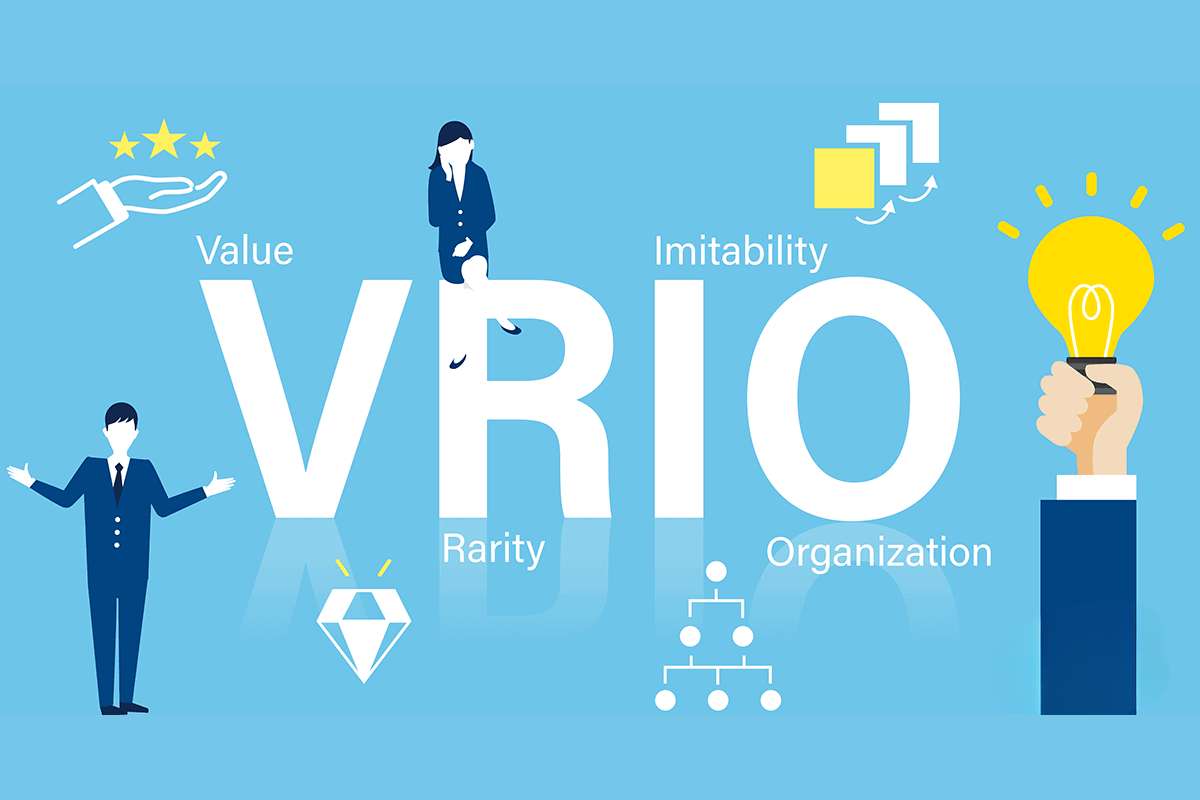
These attributes are value, rarity, inimitability, and organization. Together, they form the VRIO framework. Strategists use it to judge if a resource can give a real edge over competitors.
VRIO looks at all the resources and skills inside a firm. It checks if they can lead to a true competitive edge. Each letter stands for a question you ask about a resource. If you answer yes to all four, you likely have something special.
Here is a quick look at the four attributes of strategic resources before we go deeper.
| Attribute | Core Question | Outcome If Missing |
| Value | Does it help you seize chances or dodge threats? | Puts you behind rivals |
| Rarity | Do only a few competitors have it? | Puts you on a level with rivals |
| Inimitability | Is it hard or costly to copy? | Edge does not last |
| Organization | Can the firm actually use it well? | Wasted potential |
Why Does Value Matter So Much?

Value comes first. A resource only counts if it helps your company cut costs, boost quality, or react fast to the market. If it does none of that, it is just sitting there.
Think about a patent nobody uses. Or software nobody adopted. Both cost money to build. Neither adds value. The attributes of strategic resources always start here. Nothing else matters if value is missing.
Ask yourself one thing. Would customers notice if this resource disappeared? If yes, you found something worth keeping.
What Makes a Resource Rare?
Rarity means few or no competitors have the same resource. A valuable resource that everyone else also has will not set you apart. It becomes normal, not special. Rare resources give you a real edge. Common ones just help you keep up. A shipping network built over fifteen years is rare. Basic office software is not.
When you check the strategic resources attributes for your own business, ask a simple question. Could most rivals copy this tomorrow with enough cash? If yes, rarity is missing.
How Hard is Imitability to Achieve?
Imitability asks one thing. Can a rival copy or replace your resource without much cost? This is often the hardest test. Smart competitors find workarounds fast, especially with tech.
Some resources are tied to history, relationships, or unclear cause and effect. These are hard to fake. A brand built over many years takes time to copy. A pricing tool can often be cracked within months.
Among all the attributes of strategic resources, imitability decides how long your edge lasts. Value and rarity get you noticed. Being hard to copy keeps you ahead.
| Resource Type | Easy to Copy? | How Long the Edge Lasts |
| Pricing plan | Yes | Short time |
| Patented tech | Sometimes | Medium time |
| Company culture | No | Long time |
| Brand name | No | Long time |
Why Does ‘Organization’ Get Overlooked?
‘Organization’ asks if your company is set up to use the resource well. Without the right setup, a firm cannot get, use, or track its resources. This is true even for resources that are valuable, rare, and hard to copy.
This step covers reporting lines, budgets, and daily processes. A firm can own a great resource and still fail. Why? Teams are not lined up to use it. Talent without a good process gets wasted.
When all four attributes show up together, a company gains a real edge that lasts. Skipping organization is the top reason smart companies fall short of their own potential.
How Do You Apply These Attributes in Practice?

Start with a list. Write down every resource your company owns. This can be patents, staff skills, or supplier deals. Then run each one through the four questions to check the attributes of strategic resources one by one. Stop as soon as a resource fails one test. That tells you its limit.
Value checks if a resource helps you grab chances or block threats. Rarity checks if it is rare compared to rivals. Imitability checks how easy it is to copy. ‘Organization’ checks if your firm can use it well. This order matters. Each step builds on the one before it.
Many teams use a simple scale instead of just yes or no. A resource that is somewhat rare and somewhat hard to copy still beats a common one. It does not need a perfect score on every attribute of strategic resources to add value.
What Should You Do With Weak Resources?
Not every resource needs to pass all four tests. Some deserve more investment. Others should be dropped or handed off to someone else. Being honest here pays off.
This idea goes back to the roots of resource thinking itself. Strategist Birger Wernerfelt, who helped start the resource-based view, described a firm’s resources as “anything that could be thought of as a strength and a weakness” of that firm. That means every resource sits somewhere on a scale. Your job is to find out where.
If a resource is valuable and rare but easy to copy, protect it. Use patents, contracts, or deeper links to your business. If it fails the value test, stop spending money on it. Sorting resources this way keeps your plan based on facts, not hope.
Final Thoughts
The attributes of strategic resources give you a clear way to spot real advantages. Value gets you in the game. Rarity sets you apart. Being hard to copy protects your lead. ‘Organization’ helps you use it all well. Skip any one of these, and your edge will not last long.
Most companies focus on value and rarity. They forget to check if they can copy them or if they are set up to use them correctly. That is a mistake. The strongest firms check all four every year, not just once.
Take time this week to list your own resources. Run each one through this simple test. You might find your real edge was hiding in plain sight the whole time. Small checks like this can save you from big mistakes later.
FAQs
1. Is VRIO the only framework for evaluating strategic resources?
No. It is often paired with SWOT or PESTLE for a fuller picture.
2. Can a resource lose its strategic status over time?
Yes. Market shifts or new rival skills can weaken rarity or imitability fast.
3. Do intangible resources count as strategic resources?
Yes. Brand name and culture often beat physical assets for lasting value.
4. How often should companies check their resources?
Most experts say once a year, or after big market changes.
5. How do you evaluate the attributes of strategic resources in a small business?
Use the same four VRIO questions, just scaled down. Focus first on value and rarity since small firms often lack resources to test the rest.