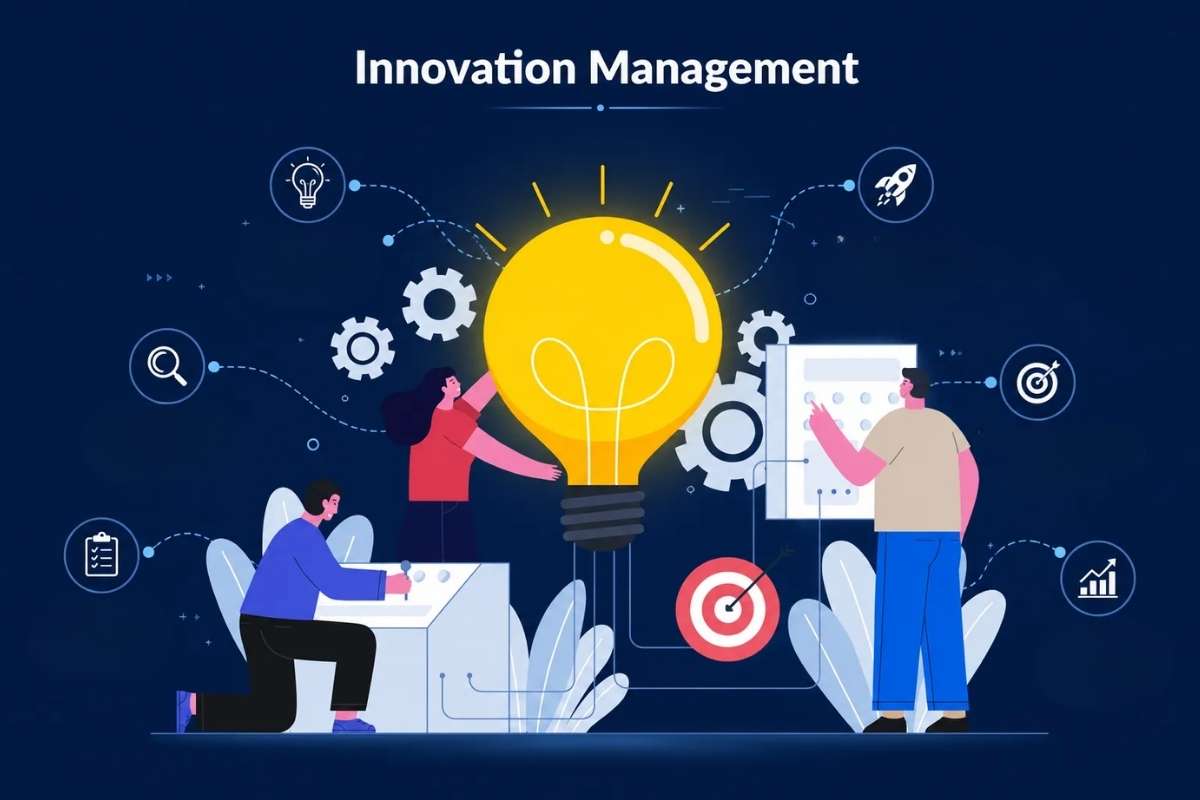
Have you ever watched a competitor launch something brilliant and thought, “Why didn’t we think of that?” That gap is rarely about talent. It’s about process. Companies that win at innovation management don’t rely on luck or lone geniuses. They build repeatable systems that turn raw ideas into real business value.
The global market sits at $2.98 billion in 2025 and is projected to hit $5.38 billion by 2030. It is growing at a 12.6% CAGR according to MarketsandMarkets. This signals that boards and C-suites now treat managing innovation as a competitive weapon. You should, too. This article breaks down exactly how it works. You’ll get frameworks that drive results and the tools top companies use to stay ahead.
What exactly is innovation management and why does it matter now?
It is the structured process of moving ideas through discovery, validation, and scaling. It is in line with your corporate plan, with clear decision rights at every stage. It’s not a hackathon here and a strategy retreat there. It’s a discipline.
In 2026, the pace of market change means ad hoc approaches often underperform. Organizations that treat innovation as a disciplined practice outperform others. The difference shows up in revenue, speed to market, and talent retention.
Gartner’s February 2026 report says that through 2029, 90% of successful innovations will come from enterprises’ AI-led innovation processes. You’re behind if your company still treats ideation as a quarterly event.
What are the 4 types of innovation you must know?
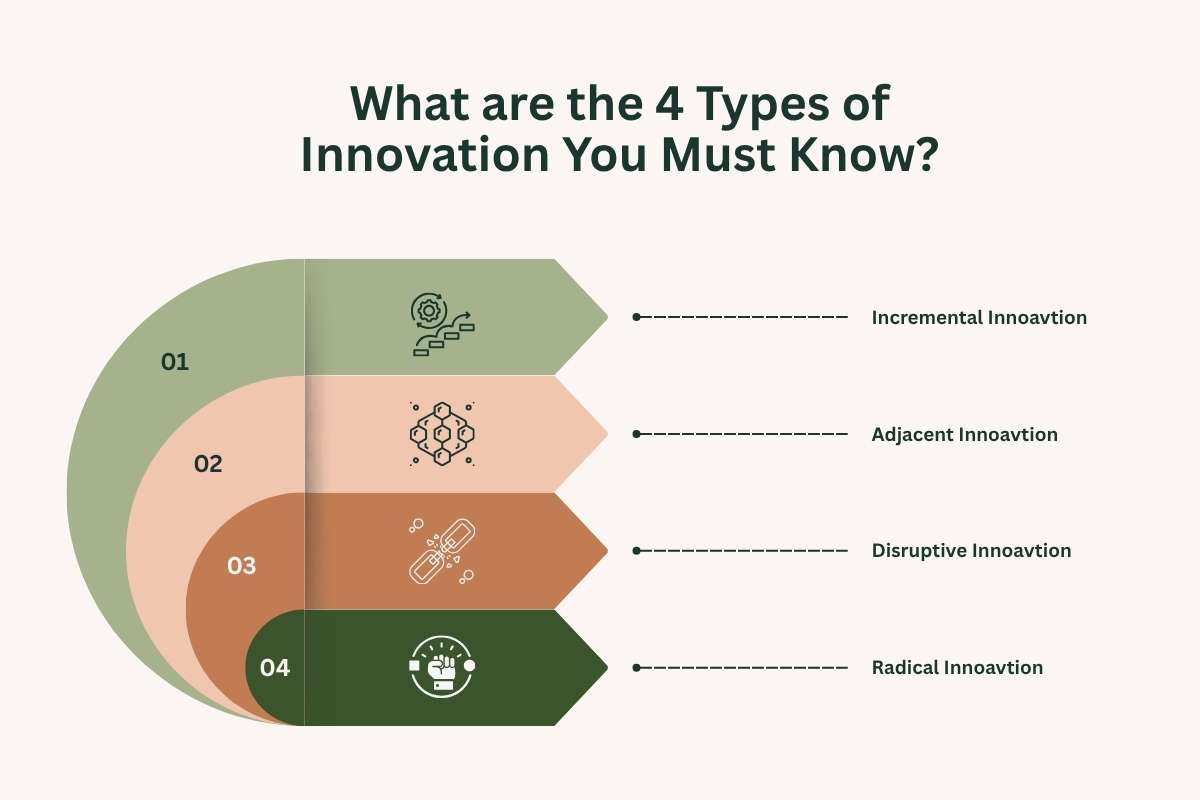
Not all innovation is equal. Treating every idea the same is one of the fastest ways to waste resources. Here are the four core types every innovation management strategy must address:
| Innovation Type | Definition | Risk Level | Example |
| Incremental | Small improvements to existing products or processes | Low | iPhone annual updates |
| Adjacent | Expanding into related markets using existing knowledge | Medium | Amazon is moving into the cloud |
| Disruptive | New tech that reshapes an existing market | High | Uber replacing taxis |
| Radical | Unique ideas that create entirely new markets | Very High | Salesforce invented SaaS in 1999 |
Apple’s playbook blends all four together. That balance between stability and bold moves is the real lesson. Picking just one type and going all-in is a recipe for stagnation or chaos.
How do leading companies build an innovation management framework?
A solid framework guides you towards innovation without much brainstorming. Here’s how top organizations build theirs:
- Set portfolio governance. Define which types of innovation you’re pursuing and how resources are split across them. Most companies invest less in radical innovation because incremental wins feel safer.
- Create clear stage gates. Move ideas from exploration to validation to scaling with defined criteria at each gate. This prevents great ideas from dying in committee and stops bad ideas from burning cash.
- Empower employees to contribute. 3M’s “15% time” policy allows employees to spend up to 15% of their time on passion projects. These projects are aligned with company goals. This bottom-up approach works when systems exist to capture those ideas.
The best frameworks also assign specialized roles. Innovation doesn’t happen when everyone is working part-time. Cisco’s VP of Product Management, Sanjeev Mervana, puts it bluntly. He says that innovation has to be deeply rooted in your culture. It is not something you handle in your free time.
READ MORE:
How is AI reshaping innovation management in 2026?

AI is no longer a side experiment. It’s now core infrastructure for top innovation teams. McKinsey’s 2026 data shows 54% of high-performing companies rank AI as their top investment. This is even ahead of cybersecurity and IT infrastructure.
In practice, AI speeds up three things. These are spotting trends early, scoring ideas faster, and prioritizing your portfolio with less bias. Tools like ITONICS scan market data and flag signals before your competitors notice them. That’s a real edge.
McKinsey also found that top companies are 3.6 times more likely to use AI for big strategic shifts. They pick workflows with clear business value and build from there. The firms falling behind share one habit. They keep running pilots instead of committing. Pilots are not a strategy.
What are the biggest challenges in innovation management today?
Most teams run into the same three problems. Here they are:
- Culture resistance is usually first. If people fear being judged for bad ideas, they stop sharing ideas. No tool solves that. You have to build safety before you build the process.
- Resource allocation is next. Incremental projects always win budget fights. Their ROI is faster and easier to show. Without rules that protect radical bets, they never get funded.
- Measurement gaps are easy to miss. When you don’t define success before launch, results look fine until they don’t. Set your metrics on day one.
One more challenge is gaining ground fast. Gartner’s 2026 data shows companies now need to track environmental impact as part of their innovation portfolios.
Which innovation management tools are worth your investment?
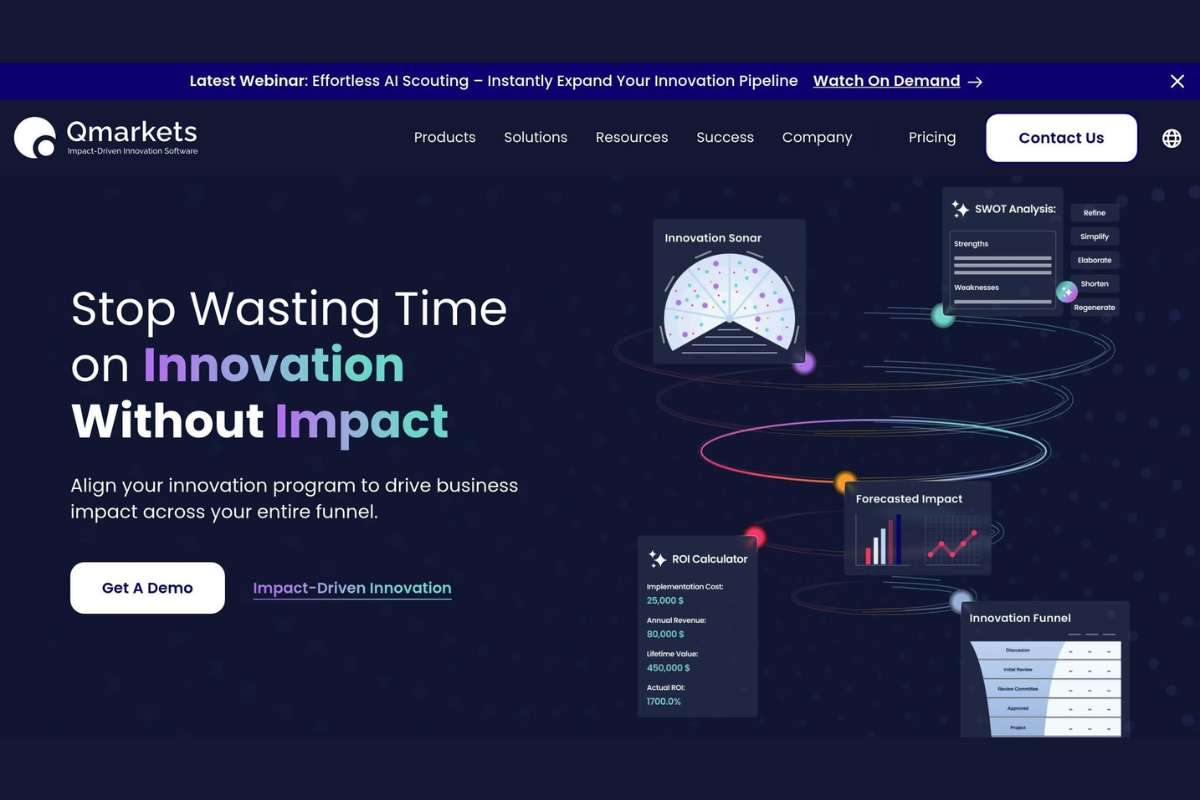
The right platform depends on your innovation maturity and workflow complexity. Here’s a clear comparison of the top options recognized in 2026:
| Platform | Best For | Key Strength | Gartner Recognition |
| ITONICS | End-to-end workflows | AI trend scouting + modular design | Yes (Market Guide) |
| Brightidea | Idea campaigns | Scalable idea capture | Yes |
| Qmarkets | Portfolio management | Configurable workflows | No |
| Planview | Enterprise portfolio | Integration with project management | Yes |
| Wazoku | Open innovation | Crowd-sourced ideation network | No |
ITONICS earns the top spot in most 2026 reviews because it covers the full innovation lifecycle. For companies just starting out, Brightidea offers faster implementation and a lower learning curve. Your choice should match where you are, not where you want to be in five years.
How do you measure innovation management success?
If you can’t measure it, you can’t improve it. Track metrics across three areas.
- Pipeline metrics show how ideas move. How many come in, how many pass each stage gate, and how long decisions take. Slow pipelines usually mean a culture problem, not a process one.
- Portfolio metrics show how you’re betting. What’s the split between safe and bold investments? How fast do you kill weak ideas? Fast, cheap kills are a sign of a healthy program.
- Outcome metrics show real results. New product revenue, speed to market, and ROI by innovation type. Deloitte found that 74% of leaders who hit their ROI targets did one thing differently. They set success metrics before launch, not after.
Do that first. It changes every decision that follows.
The bottom line
Innovation management in 2026 is a system, not a slogan. The companies winning have clear governance, dedicated roles, and tools that turn ideas into results. The market is growing at 12.6% a year because leaders are finally treating innovation like the business function it is.
Your next move is simple. Audit your process against the four innovation types. Find the stage gate where ideas die. Pick one platform from the table above. Run a 90-day pilot with your metrics set on day one.
FAQs
1. How is managing innovation different from R&D?
R&D focuses on technical discovery; innovation management covers the entire lifecycle from idea capture to market launch, including strategy, governance, and scaling, not just research.
2. How long does it take to see results from an innovation program?
Most organizations see measurable pipeline improvements within 90 days. But revenue impact from new products typically takes 12 to 24 months, depending on the innovation type pursued.
3. Who should own innovation strategies inside a company?
Ownership works best under a dedicated Chief Innovation Officer or VP of Innovation with direct board access. It should not be split across departments where accountability gets diluted.
4. What is open innovation?
Open innovation brings in ideas from customers, partners, and external communities to complement internal efforts.