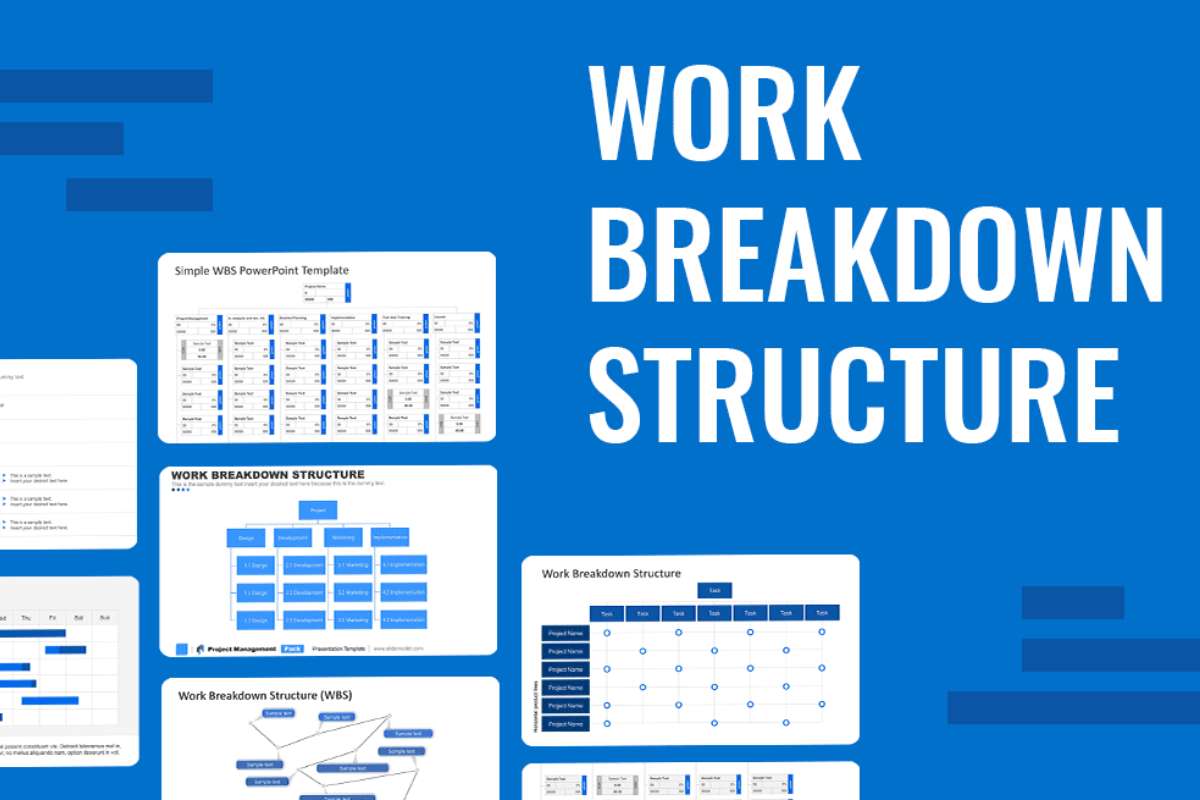
Big projects often feel overwhelming. You begin with a solid idea, but details pile up, deadlines shift, and costs rise. A Work Breakdown Structure (WBS) changes that. It breaks a large project into manageable deliverables, like turning a mountain into steps.
Modern project management teams use it today across software development, construction, healthcare, marketing, and operations. So let’s learn how it works, why it matters in 2026, and how you can build one that improves project execution immediately.
What is a Work Breakdown Structure?
A Work Breakdown Structure, or WBS, is a simple way to break a large project into smaller and manageable tasks. It helps teams organize work step by step so nothing important gets missed. The structure starts with the main project goal and then divides it into deliverables, tasks, and smaller work packages.
It helps define project scope clearly and improves planning. Teams use it to assign work, track progress, manage costs, and keep projects on schedule.
Why Use a Work Breakdown Structure in Project Management?

Projects can get messy very fast. Teams handle more tasks, tight deadlines, and bigger goals than before. That is why many teams use a WBS to keep work clear and organized. It helps teams define project scope and deliverables clearly.
A strong WBS helps teams stay focused on the main goal. It also makes it easier to track work, manage costs, and spot delays early. Teams with strong project planning practices are more likely to finish projects on time and within budget.
Key Benefits of a Work Breakdown Structure:
| Benefit | Project Impact |
| Clear Deliverables | Improves accountability |
| Smaller Work Packages | Makes tracking easier |
| Better Scope Control | Reduces confusion |
| Defined Ownership | Improves execution |
| Organized Dependencies | Prevents delays |
| Better Cost Planning | Supports budgeting accuracy |
The 100% Rule Every Team Should Follow
The most important principle behind a Work Breakdown Structure is the 100% Rule.
This rule means the WBS must include all project work required for successful completion. Nothing important should stay outside the structure.
The official NASA WBS guide explains that every lower-level element must roll up completely into the parent deliverable. That ensures teams capture the total project scope clearly.
Without that structure, projects often face:
- Missing deliverables
- Budget confusion
- Scope creep
- Delayed approvals
- Resource conflicts
Here is a simple example.
| Weak Planning | Structured Planning |
| “Build app” | “Design login page” |
| “Marketing work” | “Launch email campaign.” |
| “Testing tasks” | “Complete QA validation” |
Specific deliverables improve accountability because teams know exactly what needs completion.
The 100% Rule also prevents duplicate work. Teams avoid wasting time because responsibilities stay visible from the beginning.
READ MORE:
- What Organizational Structure in Business Really Means for Your Team
- Organizational Design and Development: A Comprehensive Guide
Work Breakdown Structure vs Gantt Chart: Key Differences

Many professionals confuse a WBS with a Gantt chart. They serve different purposes.
| Work Breakdown Structure | Gantt Chart |
| Organizes project scope | Organizes project timeline |
| Focuses on deliverables | Focuses on scheduling |
| Creates task hierarchy | Tracks deadlines |
| Supports planning | Supports execution |
A WBS answers: “What work must happen?”
A Gantt chart answers: “When will the work happen?”
How to Build a Work Breakdown Structure Step by Step
Creating a WBS becomes easier when teams follow a repeatable process.
Step 1: Define the Final Goal
Start with the main project outcome. Example:
- Launch mobile application
- Build a company website
- Open a new retail location
The top level should represent the complete project objective.
Step 2: Identify Major Deliverables
Break the project into major sections. For a mobile app launch, the major deliverables may include:
- UI design
- Backend development
- QA testing
- Marketing launch
These deliverables form the second level of the Work Breakdown Structure.
Step 3: Divide Deliverables Into Smaller Tasks
Next, break each deliverable into smaller work packages. Smaller work packages improve tracking and ownership. Examples include:
- UI design: Homepage wireframe
- UI design: Mobile layout review
- QA testing: Security validation
Step 4: Assign Responsibility
Every work package needs one responsible owner. Clear ownership improves accountability and reduces confusion during execution.
Step 5: Review Against the 100% Rule
Before execution begins, review the structure carefully. Ask:
- Does the WBS include all deliverables?
- Are dependencies visible?
- Does every task connect to the final goal?
That final review strengthens project control significantly.
Common Work Breakdown Structure Mistakes That Hurt Projects

Even skilled teams can make planning mistakes. Most problems start before the real work begins.
- Creating tasks that are too large: Big and unclear tasks confuse teams. Tasks like handling development or completing testing do not explain the exact work. Smaller work packages make tracking easier.
- Ignoring dependencies: Many projects fail because teams miss how tasks connect. One delayed approval can slow testing, deployment, and launch dates.
- Treating the WBS as static: Projects change over time. Teams should update the Work Breakdown Structure when goals, timelines, or deliverables shift. Regular project alignment helps teams manage changing business needs.
- Overcomplicating the structure: Some teams create too many tiny tasks. That makes reporting harder and wastes time. A strong WBS stays detailed but easy to use.
Conclusion:
A Work Breakdown Structure helps teams turn large projects into clear and manageable steps. It improves planning, tracks progress, and keeps everyone focused on the same goal. When teams break work into smaller tasks, they reduce confusion and avoid costly mistakes.
A simple and clear plan can save time, control costs, and help your team deliver better results.