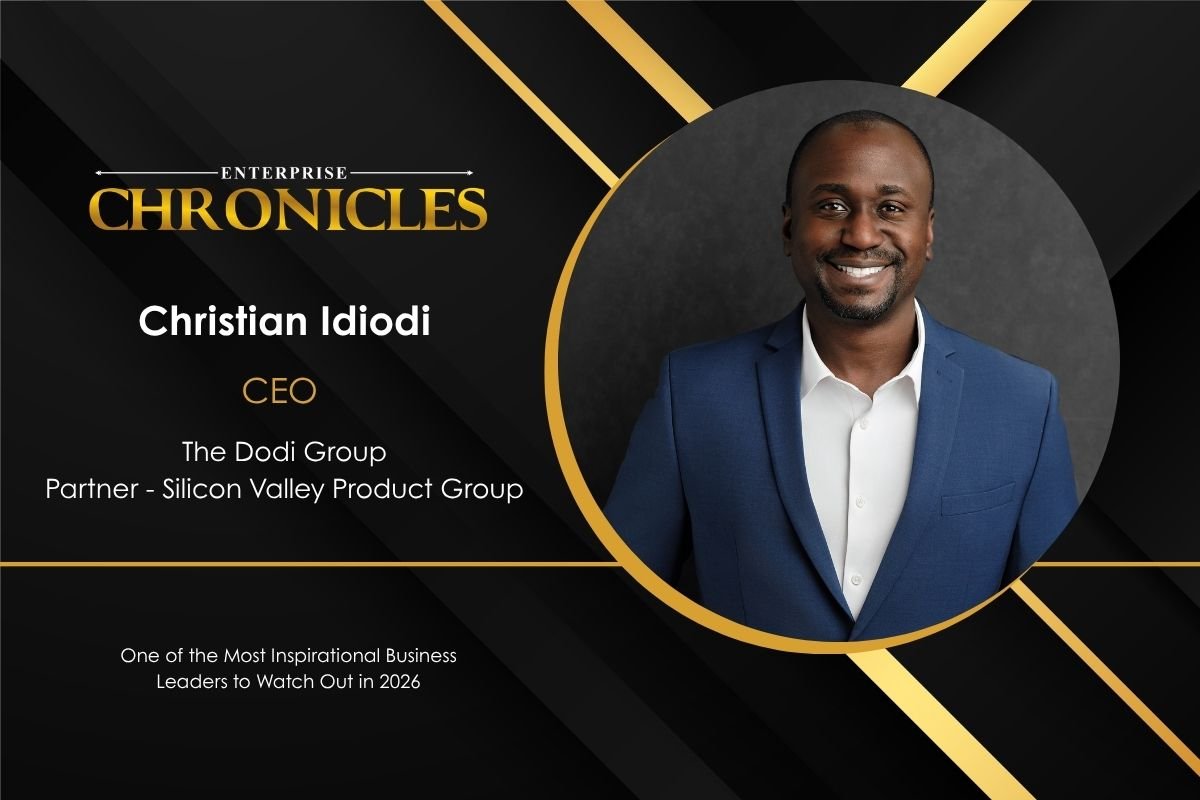
Artificial intelligence is making it easier than ever to build software. Christian Idiodi believes that is exactly why product judgment matters more. As CEO of The Dodi Group and Partner at Silicon Valley Product Group, Idiodi works with executives and product teams under constant pressure to move faster. His message is direct: shipping more is not the same as creating value. A roadmap is not a strategy. A feature is not progress. Product leadership is about taking responsibility for outcomes.
Across product leadership roles and advisory work, Idiodi’s experience has included organizations such as CareerBuilder, Datasite, Microsoft, PayPal, Starbucks, JPMorgan Chase, Squarespace, and others. Today, through advisory work, coaching, and his involvement with Innovate Africa Foundation, he focuses on helping leaders and teams build the product judgment required to create meaningful product outcomes in a world where building has become faster than thinking.
From human behavior to product leadership
Christian Idiodi’s professional journey has never followed a straight line, but a single thread runs consistently through every chapter: solving meaningful problems for people. His career began with a deep curiosity about human behavior, community, and systems change. That foundation eventually drew him into technology and product leadership, where he discovered a discipline that brought together everything he cared about: people, business, technology, and impact.
Over the past two decades, he has built product teams, led product strategy, launched new businesses, and helped organizations fundamentally transform how they build technology products. His experience spans companies such as CareerBuilder, Snagajob, IdentityForce, and Merrill Corporation, now Datasite. Throughout his career, he has also advised and collaborated with teams across organizations, including Microsoft, Starbucks, JPMorgan Chase, Squarespace, PayPal, Etsy, and Bentley.
A pivotal moment arrived early in his career at CareerBuilder, when he realized that true product leadership was about taking full responsibility for outcomes, not generating ideas. That insight reshaped his approach and stayed with him. Later, at Merrill Corporation, he built the product organization from the ground up and led a large-scale SaaS transformation. The Dodi Group became the natural extension of that journey, the platform through which he now helps leaders and teams build strong product organizations and create products customers genuinely love.
Leadership is usefulness
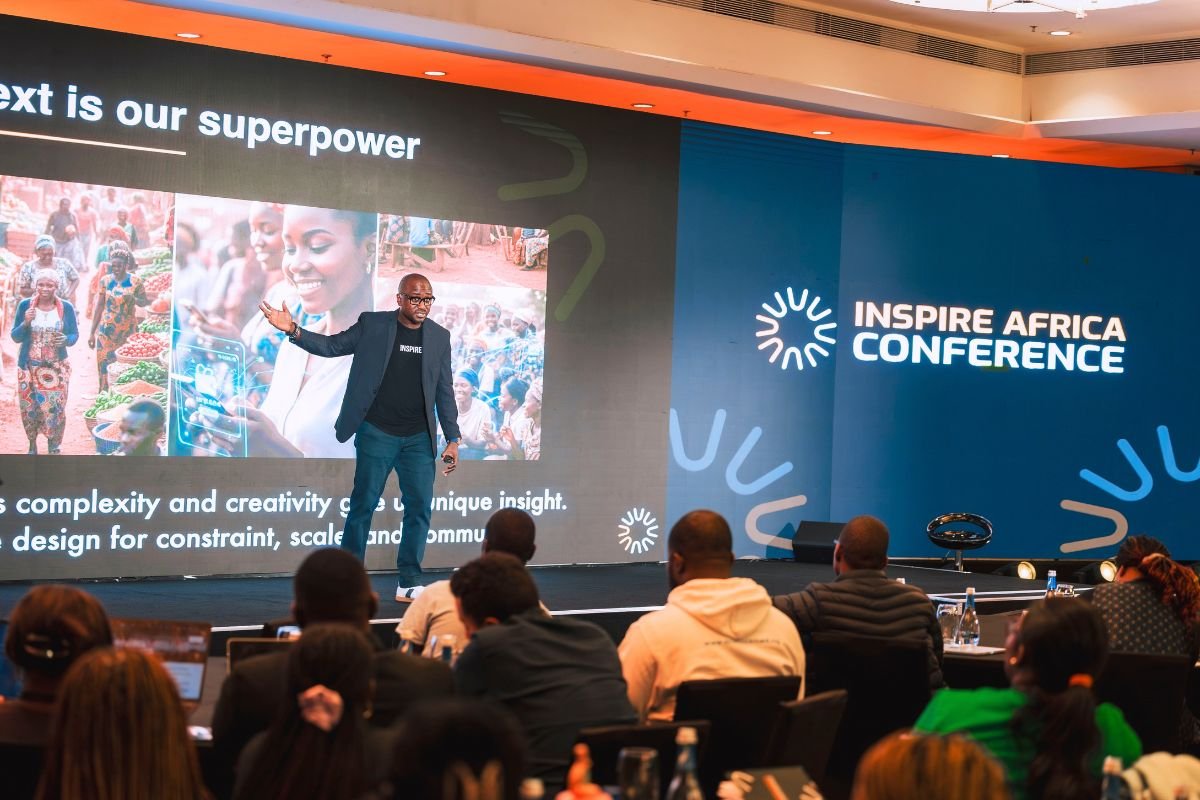
For Christian Idiodi, inspirational leadership is not charisma. It is usefulness. Leaders inspire when they create clarity, make hard choices, tell the truth, and build capability in others.
In an environment shaped by AI, economic uncertainty, shifting customer expectations, and constant disruption, leadership is measured less by confidence and more by the ability to help people make better decisions. For Idiodi, the real responsibility of leadership is leaving teams, companies, and communities stronger than they were before.
When building gets easier, judgment matters more
Artificial intelligence is rapidly changing the economics of software development. Tasks that once required significant engineering effort can now be completed faster and more efficiently than ever before. Yet Christian Idiodi believes this shift makes product judgment more valuable, not less.
In his view, the greatest risk facing organizations today is confusing speed with progress. Companies can build more features, ship more releases, and move faster than ever, but none of those activities guarantee value creation. The real challenge is determining what should be built, why it matters, and how it will improve outcomes for customers and the business.
Throughout his career, Idiodi has consistently returned to the principle that product leadership is about responsibility for outcomes rather than ownership of ideas. Strong product organizations develop a deep understanding of customer needs, make deliberate trade-offs, and focus their energy on solving meaningful problems. As AI continues to lower the barriers to building, he believes customer understanding, strategic clarity, and sound decision-making will become the most important differentiators.
Transformation starts with leadership
Having worked across startups, growth-stage businesses, and large enterprises, Christian Idiodi has observed that product transformation rarely fails because of technology, process, or tools. More often, it fails because leadership behaviors remain unchanged.
Many organizations have adopted the language of modern product management while continuing to operate through project-based structures, output metrics, and top-down decision-making. Teams are asked to deliver features rather than solve problems, and success is measured by activity instead of impact.
For Idiodi, lasting transformation requires leaders to rethink how decisions are made, how teams are funded, and how accountability is defined. Executives must provide strategic direction while empowering teams to discover solutions, learn from customers, and take ownership of outcomes. Product transformation is not simply about implementing a framework; it is about creating an environment where talented people can make better decisions and continuously improve the way they work.
This perspective is grounded in experience. Over the course of his career, he has built product organizations, led SaaS transformations, launched new businesses, and advised leaders navigating complex organizational change. Those experiences have reinforced a consistent lesson: transformation does not begin with teams adopting new practices. It begins with leaders changing the environment in which those teams work.
Building capability, not dependency
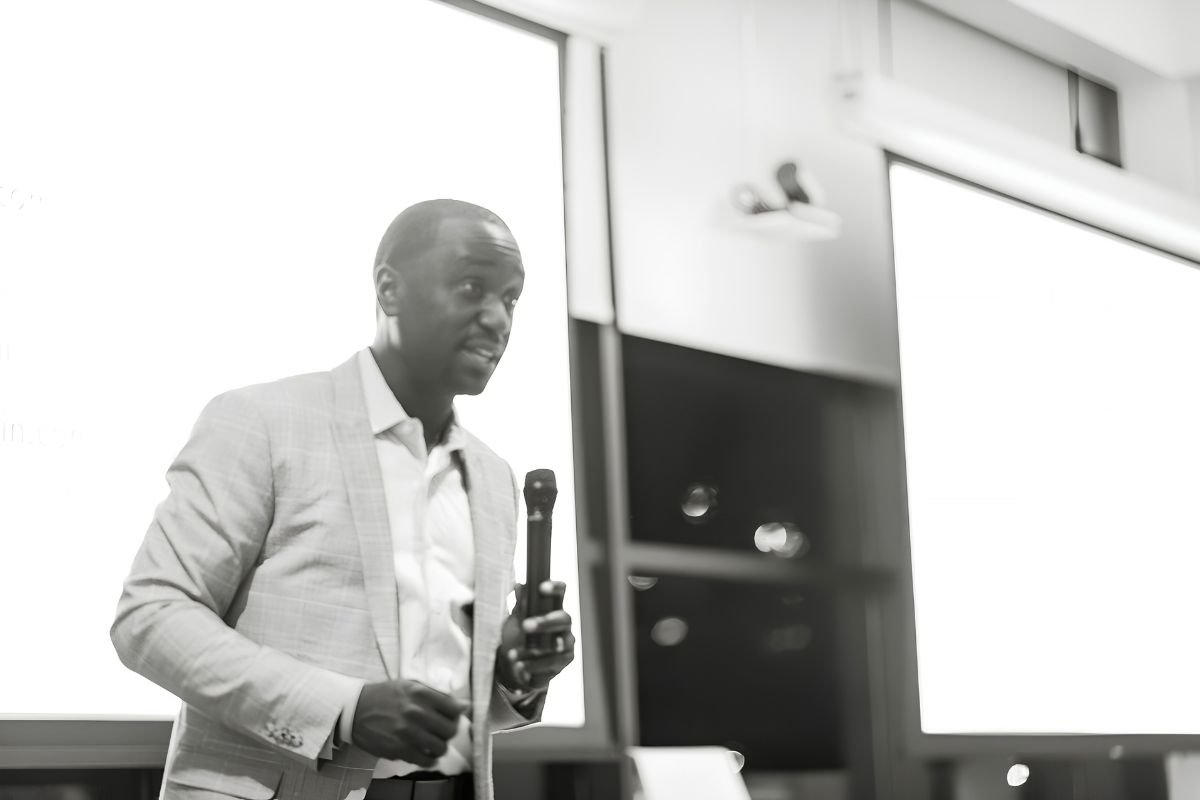
Through The Dodi Group, Christian Idiodi works with organizations seeking to strengthen their product leadership, operating models, and organizational effectiveness. The firm’s work spans executive advisory, leadership coaching, workshops, organizational assessments, and transformation support.
The objective is not to create dependence on outside advisors. Instead, Idiodi focuses on helping organizations build the internal capability required to sustain product excellence long after an engagement ends. His approach begins with understanding how a company plans, funds, staffs, measures, and delivers product work before recommending any changes. Rather than applying a universal playbook, he believes successful transformation must account for each organization’s unique context, culture, and challenges.
Four principles guide this work: integrity, mastery, generosity, and service. Together, they reflect a commitment to honest conversations, continuous learning, knowledge sharing, and creating solutions that improve people’s lives.
Ultimately, the goal is to help organizations build products that are valuable for customers, viable for the business, usable for people, and feasible to deliver and operate. In a world where technology continues to accelerate, Idiodi’s focus remains on helping leaders and teams develop the judgment and capability needed to create meaningful and lasting impact.
The danger of being right
One of the most formative lessons in Christian Idiodi’s career came after an early period of success.
At the beginning of his product management journey, several products and initiatives he worked on performed well. The positive results built confidence, but over time he began noticing something uncomfortable: some of his later decisions were producing weaker outcomes. Products were missing the mark despite the team’s effort and expertise.
Looking back, he realized the problem was not execution. It was distance. As success accumulated, he had gradually moved further away from customers and closer to assumptions. He had started relying on experience and intuition without validating whether those instincts still reflected real customer needs.
The experience forced him to reexamine his approach. He returned to spending more time with customers, testing assumptions earlier, working closely with engineers and designers, and focusing on evidence rather than certainty. The lesson stayed with him: confidence can be valuable, but confidence without learning quickly becomes a liability.
That experience continues to shape how he coaches leaders today. In his view, many product failures are not caused by a lack of intelligence or effort. They happen when leaders become too attached to their own answers and stop asking questions. The strongest product organizations are built by teams that remain curious, humble, and relentlessly focused on understanding the people they serve.
High standards. High support.
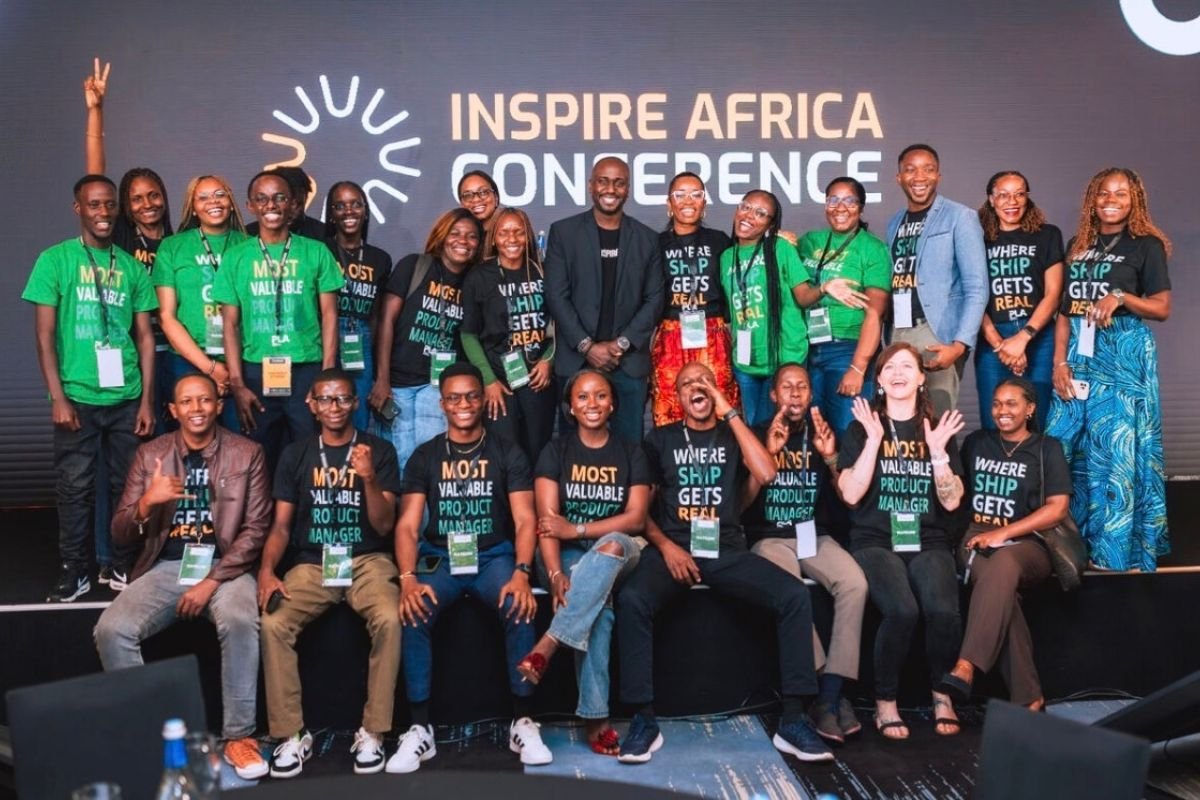
Christian Idiodi believes high-performing teams need two things at the same time: high standards and high support. High standards mean clear expectations, real ownership, and accountability for outcomes, because product teams should not just ship features but solve meaningful customer and business problems. High support means leaders create the conditions for teams to succeed, including strategic context, access to customers, strong cross-functional collaboration, coaching, and psychological safety.
His approach to mentoring is deeply practical, grounded in the belief that people do not grow through theory alone. Product is learned through coaching and doing, so he helps product managers, designers, engineers, and leaders develop product sense by working through real decisions, real trade-offs, and real customer problems.
Retention, in his view, comes from meaningful work, trust, growth, and leadership. Talented people stay where they are challenged, respected, and able to see the impact of their work, and they leave when they are treated as order-takers. The best leaders do not simply manage talent; they multiply it.
Growing product leadership beyond Silicon Valley
Beyond his work with organizations undergoing product transformation, Christian Idiodi is increasingly focused on expanding product leadership capability in emerging markets, particularly across Africa. Through his involvement with Innovate Africa Foundation, he supports efforts aimed at developing product talent, strengthening innovation ecosystems, and increasing access to coaching and learning opportunities.
He sees the growth of product leadership as a global opportunity rather than one confined to traditional technology hubs. As access to technology, knowledge, and networks continues to expand, more leaders and teams are building products that address challenges within their own markets while contributing to broader industry conversations.
The next phase of expansion is not just geographic but capability-based. The goal is to help more leaders understand how to operate in the age of AI, how to build empowered product teams, and how to create products that solve meaningful problems within their own contexts.
Four forces shaping the next era of product
Christian Idiodi identifies four major trends that will shape the product industry over the next three to five years, along with how he is preparing to stay ahead:
- AI will elevate the importance of product judgment. AI will accelerate software development, but confusing speed with judgment will only lead companies to build the wrong things faster, making deep customer understanding and smart trade-offs the true scarce skills.
- The product operating model will become mainstream. More executives now recognize that technology is central to growth, differentiation, and customer experience, not just a support function.
- Global talent will rise. Great product thinking is emerging everywhere, particularly in historically underserved markets like Africa.
- Leadership accountability will be non-negotiable. Companies can no longer outsource transformation to teams; executives must learn to lead in ways that enable real product work.
To stay ahead, he remains close to the work, coaches leaders, studies what strong companies do differently, and continues teaching the fundamentals.
Build capability, not titles
Christian Idiodi’s advice to new and aspiring leaders is straightforward: do not chase titles, build capability. He urges them to stay close to customers, learn how the business works, respect engineers and designers, develop product sense, learn to communicate clearly, and build trust before trying to influence. He also warns against confusing activity with progress, because shipping is not the same as impact, a roadmap is not a strategy, and a feature is not a product.
The job is to solve problems in ways customers love and the business can sustain, which requires being humble enough to learn and brave enough to lead.
On AI, his guidance is to use it but never let it become a substitute for thinking. The leaders who thrive will be those who combine new tools with strong product judgment, taste, ethics, and empathy.
Above all, he believes in giving back as one grows, because the best leaders are not remembered only for what they built but for who they helped become stronger.
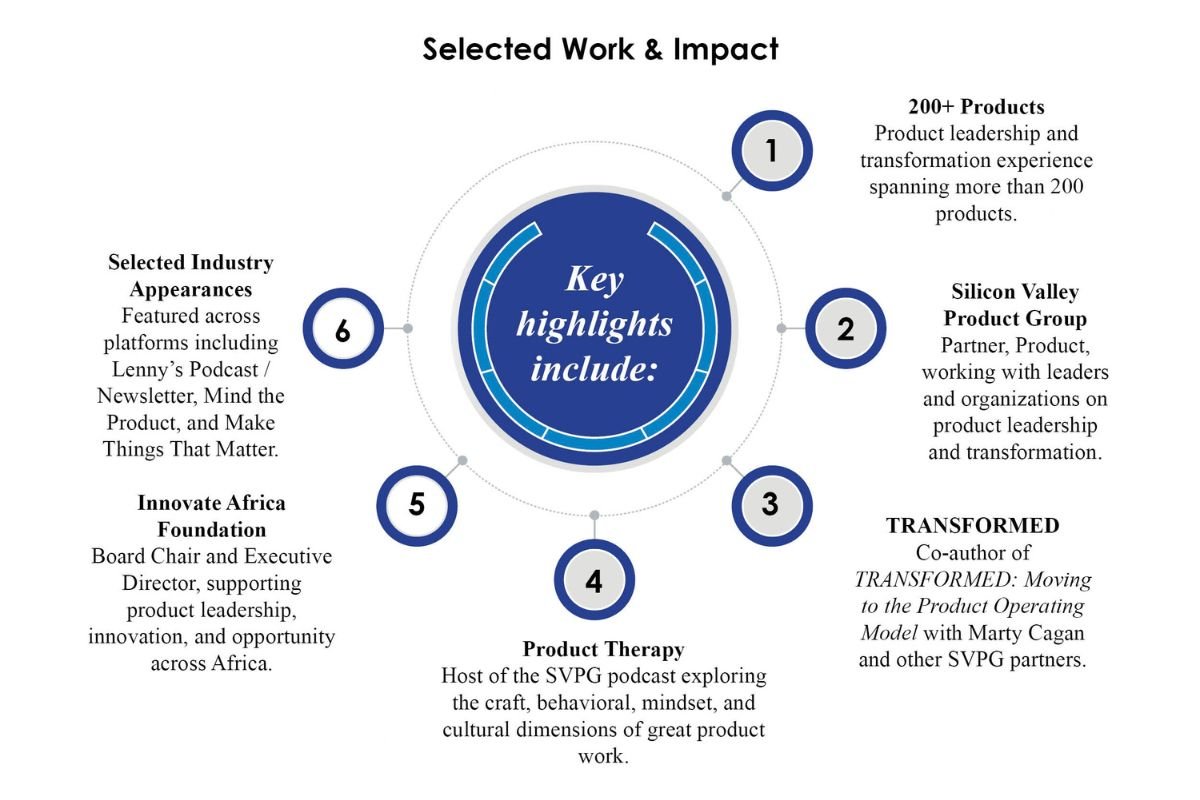
- 200+ Products — Product leadership and transformation experience spanning more than 200 products.
- Silicon Valley Product Group — Partner, Product, working with leaders and organizations on product leadership and transformation.
- TRANSFORMED — Co-author of TRANSFORMED: Moving to the Product Operating Model with Marty Cagan and other SVPG partners.
- Product Therapy — Host of the SVPG podcast exploring the craft, behavioral, mindset, and cultural dimensions of great product work.
- Innovate Africa Foundation — Board Chair and Executive Director, supporting product leadership, innovation, and opportunity across Africa.
- Selected Industry Appearances — Featured across platforms including Lenny’s Podcast / Newsletter, Mind the Product, and Make Things That Matter.
The legacy is people
For Christian Idiodi, legacy is ultimately about people.
Products, companies, books, talks, and initiatives all have value, but he believes the most meaningful impact comes from helping others become more capable. Whether through leadership coaching, product transformation work, or efforts to expand opportunity for emerging product leaders, his focus remains the same: building the conditions for people and communities to grow long after the initial work is done.
Ultimately, he does not want the story to be that he built everything himself. He wants the story to be that he helped build people, systems, and communities strong enough to keep going without him.