You know how some teams always seem to finish ahead of schedule, while others fall apart? Why can some leaders juggle ten tasks and stay calm? You might think they have a secret talent or a better app.
In reality, they understand the core principles of the project management framework. This field has changed more in the last two years than in the previous twenty. Today, we face a complex world where AI tools and remote teams are the standard. Understanding these basics is the first step toward mastering your team’s workflow.
What is Project Management in 2026 Exactly?
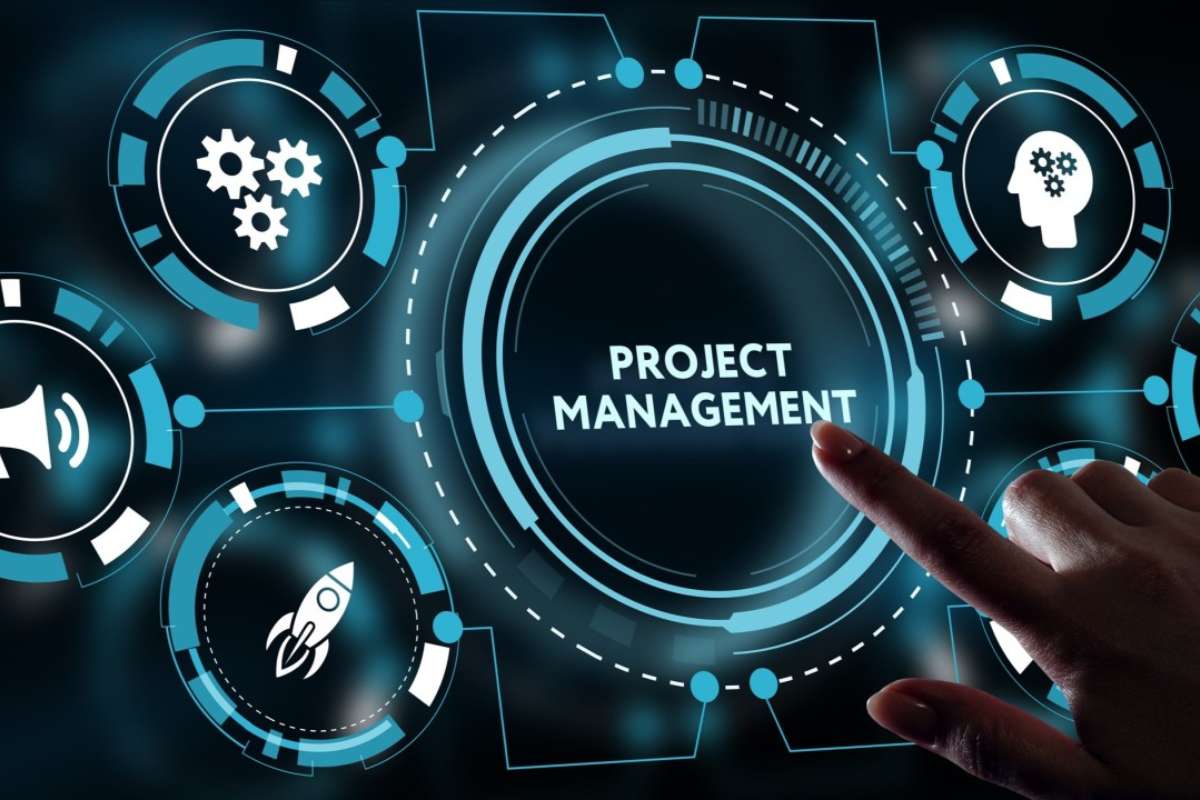
Project management is how leaders use skills and tools to hit goals. It mixes smart human work with new AI tech to finish tasks well. It follows five main steps: start, plan, do, check, and finish. This clear path keeps teams on time and saves money. It turns large plans into real results while stopping the waste that causes projects to fail.
The Five Steps of Every Project Path
Every good project follows the same path. We call this the project lifecycle. It has five main parts you must follow. If you skip a step, your work might fail.
1. The Start
This is where you name your project and set goals. You find out who needs to be involved. You also check if the idea can really work. You get a formal ‘yes’ from your boss to start the work. Without a clear start, your team will feel lost.
2. The Plan
This is the most vital part of the work. You make a map for the whole project. You set the timeline and the budget. You also plan for what might go wrong. Clear goals help keep a project on track.
3. The Do
Now your team starts the actual tasks. Your job is to help them stay focused. You find the tools they need and keep everyone talking. This is usually the longest part of the project.
4. The Check
You watch the work to make sure it matches your plan. If there is a problem, you fix it fast. You use simple charts to see if you are winning. Modern software makes this easy to see in real time.
5. The Finish
You hand the final work over to the client. You also meet with your team to see what went well. This is a great time to learn for the next project. Then, your team moves on to new tasks.
READ MORE:
- Project Management Methodologies: Navigating the Path to Success
- IT Project Management Tools: The Key to Efficient Project Delivery
Top Methods to Master Project Management

You cannot use just one way to work anymore. Most groups now mix different styles to stay fast. In 2026, many teams will use a hybrid path. This helps them stay flexible and hit their goals. Let’s look at the best ways to manage your tasks.
The Waterfall Path
This is an older way to work. You plan every detail at the very start. You must finish one step before you begin the next. Many construction and manufacturing firms still use this for its clear structure. However, it is hard to change things once you start.
Agile and Scrum
Agile is for teams that need to move fast. You break your work into small blocks. Your team meets every day to talk about progress. This works best when your goals change often. Scrum is a type of Agile that gives people special roles.
The Hybrid Choice
This is the top pick for 2026. You plan the big goals at the start. Then you use fast cycles for the daily tasks. It gives you a clear timeline and lets you adapt. Most new software tools focus on this style now.
Lean Management
Lean is about cutting out waste. You look at every part of your process. You get rid of steps that do not help the customer. Car companies made this style famous. Today, many offices use it to work better.
Kanban
Kanban uses a visual board to track tasks. You move cards through lists like To Do, Doing, and Done. This shows you exactly where work slows down. Many teams use these boards with their other methods.
Why is Project Management Important in 2026?
Success does not happen by accident. Without a clear plan, teams often lose focus and waste precious time. The OECD notes that top-performing firms stay ahead by managing their resources with precision. Good management helps turn a messy list of tasks into a winning strategy. It ensures that every dollar spent and every hour worked brings the company closer to its goals.
When a team knows exactly what to do, they avoid costly mistakes. The Bureau of Economic Analysis (BEA) shows that steady investment in organized work leads to stronger growth. Management keeps everyone on the same page and helps solve problems before they grow. It also makes sure that the final result is exactly what the customer wanted. In a fast world, this level of order is the key to staying competitive.
| Benefit | How it Helps the Team | Impact on Business |
| Clear Goals | Everyone knows the target | Faster delivery |
| Resource Control | Stops wasting time/money | Higher profits |
| Risk Handling | Fixes issues early | Less stress |
| Better Quality | Work meets high standards | Happy clients |
Who Uses Project Management Every Day?
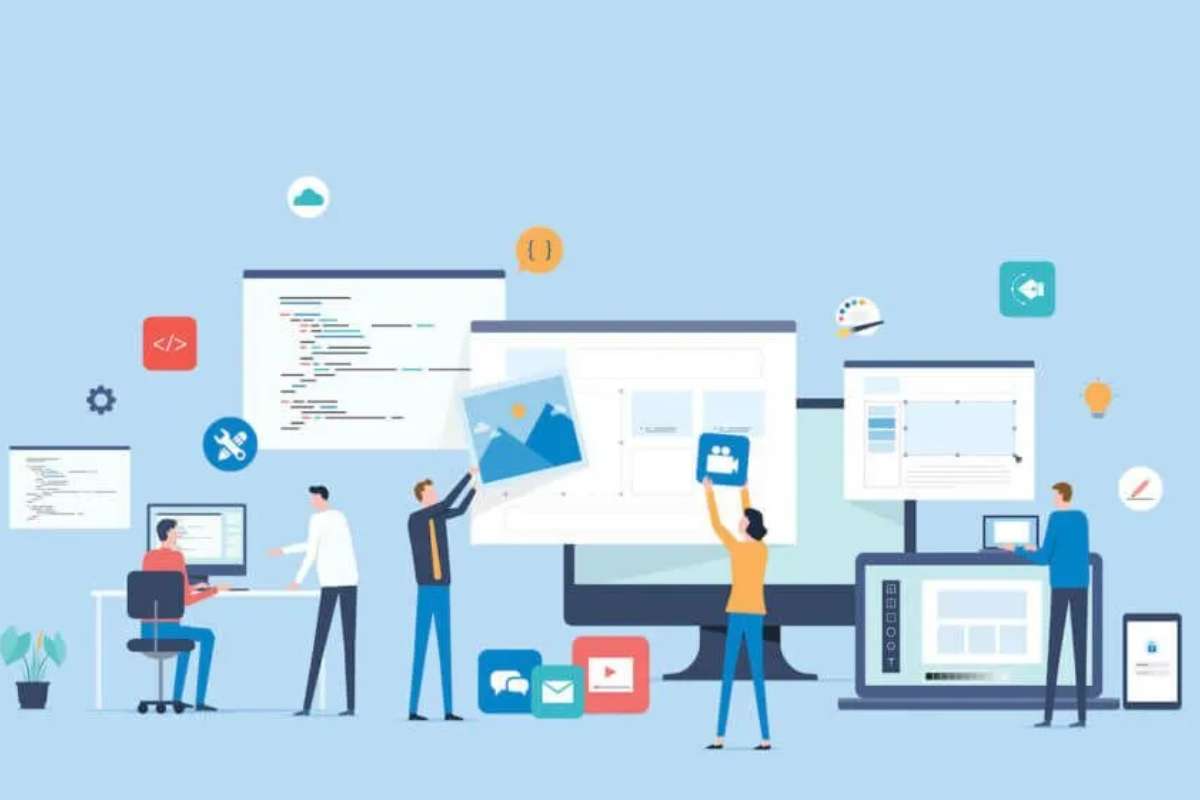
You might think only big tech firms use these rules. In reality, almost every industry relies on these skills to get work done. Whether a team is launching a new app or opening a hospital, they need a guide to lead the way.
Small business owners and large CEOs both use these tools to stay organized. Even creative teams, like those in marketing or design, use them to track their ideas. In 2026, even social groups and government offices use these methods to manage large tasks. Anyone who has a goal and a deadline can benefit from these practices. It is a universal skill that helps people turn their dreams into real, finished work.
As more people use these skills, they also find they can earn higher pay in many different fields.
Which Project Management Careers Pay the Most in 2026?
The job market for project leaders is growing fast. The U.S. Bureau of Labor Statistics (BLS) projects that jobs for project management specialists will grow by 6% through 2032. This high demand helps push pay even higher for skilled workers. In 2026, the median pay for these roles has climbed to roughly $98,000 per year, according to government wage data.
Certain industries offer much higher pay than others. Professional and technical services are at the top of the list for total pay. Tech firms and large builders also offer great pay and benefits.
Experience and special skills also play a big role in your pay. The Department of Labor notes that specialized project leads in software or engineering often earn more.
Conclusion
Project management is the engine of the modern economy. It turns big ideas into reality. Whether you want to lead a tech team or build a skyscraper, these skills are essential. You now have the data and the framework to succeed in 2026.
Remember that the best leaders never stop learning. You can start by improving your current processes. Implement a new tool or try a hybrid approach on your next task.