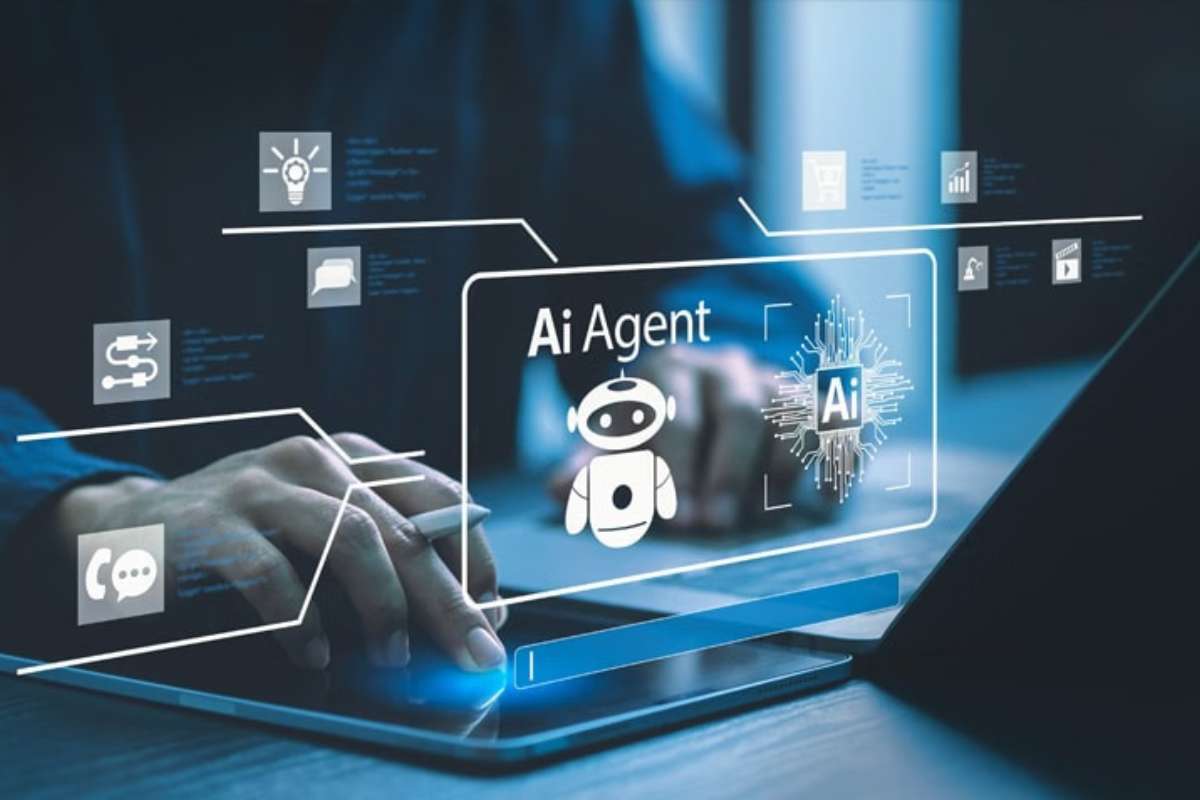
Work culture has always reflected the tools people trust. From emails to cloud files, each shift changed how teams think, plan, and act. Today, the focus has moved again, but this time it runs deeper than tools alone. An AI-first company culture speaks to how decisions are made, how time is valued, and how people learn at work. It affects daily habits as much as long-term goals, making it a cultural choice rather than a technical upgrade.
Many leaders now realize that an AI-first company culture is not about replacing people or pushing speed at any cost. It is about giving employees better support in their thinking, reducing routine effort, and allowing more room for judgment and creativity. When used with care, this approach helps teams stay focused on meaningful work instead of repetitive tasks.
As businesses prepare for 2026 and beyond, culture will decide whether these tools add value or create confusion. Companies that treat this shift as a people-first change tend to see better trust, more transparent communication, and stronger results over time. In this article, we explore what an AI-first company culture really means, why it matters now, and how organizations can build it with clarity and balance.
What an AI-first company culture really means
An AI-first company places intelligent tools at the center of daily work without pushing people to the margins. It means employees are encouraged to use intelligent systems for research, planning, reporting, and analysis, while still retaining ownership of final decisions. The culture supports learning and curiosity rather than fear or blind dependence.
This kind of culture treats AI as a support layer. Teams rely on it to surface insights, speed up routine work, and reduce mental load. Managers set clear rules on where human judgment matters most, such as ethics, relationships, and strategy. The result is a balanced work environment where technology assists rather than dominates.
Why this shift matters more in 2026
By 2026, most companies will already use some form of intelligent software. The difference will lie in how well people understand and trust it. An AI-first company culture helps reduce confusion by setting shared expectations across teams. Employees know when to use these tools and when to step back.
Workforces are also changing. Younger professionals expect access to innovative tools, while experienced employees want clarity and control. A strong culture bridges this gap by offering training, clear use cases, and open discussion. This reduces resistance and builds confidence across age groups and roles.
Leadership sets the tone

Culture always starts at the top. Leaders who openly use intelligent tools in their own work send a strong signal. When executives share how these systems help them think better or save time, it removes stigma and fear.
Clear communication matters as much. Leaders should explain why the company is moving toward an AI-first culture, what problems it aims to solve, and the boundaries it sets. Transparency builds trust and prevents misuse or over-reliance.
Hiring with an AI-ready mindset
Building this culture begins during hiring. Companies no longer look only for experience. They also value curiosity, adaptability, and comfort with learning new tools. Job descriptions increasingly mention openness to working alongside intelligent systems.
Interviews can include simple discussions about how candidates use innovative tools today. This helps assess mindset rather than technical depth. Over time, teams built this way adapt faster and support each other during change.
Training that feels practical

Training often decides whether a cultural shift succeeds or fails. An AI-first company culture depends on simple, role-based learning. Employees should see clear examples related to their daily tasks, not abstract concepts.
Short workshops, internal demos, and shared success stories work better than long manuals. When people see how these tools save time or reduce errors, adoption grows naturally. Ongoing learning keeps skills fresh as systems evolve.
Clear rules create confidence
Rules may sound restrictive, but they provide safety. Companies should define where intelligent tools can be used and where they cannot. This includes data handling, customer communication, and decision support.
Written guidelines help employees feel secure. They know they are supported when they follow approved practices. This clarity is a core pillar of an AI-first company culture, especially in regulated industries.
Ethics and responsibility at the core

Responsible use builds long-term trust. Companies must openly address bias, data privacy, and accountability. Employees should know who owns outcomes when innovative systems are involved.
Ethics committees or review boards can help guide complex decisions. By treating responsibility as part of culture rather than policy alone, organizations avoid shortcuts that harm reputation or morale.
Measuring impact beyond speed
Many teams focus only on speed gains. While important, this view is limited. An AI-first company culture also measures quality, employee satisfaction, and decision clarity.
Surveys, feedback sessions, and performance reviews should include questions about the tool’s usefulness and stress levels. This helps leaders adjust strategy and support where needed.
Collaboration improves when done right
Innovative tools can break silos when shared openly. Teams that use the same systems gain a common reference point for data and insights. This supports better discussions and faster alignment.
Cross-team learning sessions help spread good practices. When one department succeeds, others can adapt similar methods without starting from zero.
Avoiding common mistakes
One common mistake is forcing adoption too quickly. Culture changes need time. Pushing tools without explanation often leads to quiet resistance.
Another issue is treating AI as a replacement for thinking. Strong cultures remind employees that tools assist but do not decide. Balance keeps work meaningful and responsible.
Preparing for future growth
As tools improve, companies with a strong foundation adapt faster. An AI-first company culture allows organizations to test new systems without chaos. Employees already know how to learn, question, and apply technology thoughtfully.
This readiness supports growth, expansion into new markets, and changes in customer expectations. Culture becomes a steady anchor during rapid change.
The role of HR and people teams
HR teams play a critical role in sustaining this culture. They align learning, performance reviews, and career paths with new ways of working. This ensures growth feels fair and transparent.
People teams also act as listeners. By collecting feedback and addressing concerns early, they prevent burnout and confusion.
Conclusion
An AI-first company culture is not built solely through tools. It grows through leadership example, clear rules, practical learning, and respect for human judgment. Companies that invest in these areas see stronger trust and better results.
As 2026 approaches, the question is no longer whether to adopt intelligent systems; it is how. The real question is how thoughtfully they are woven into daily work. Culture will decide the answer.