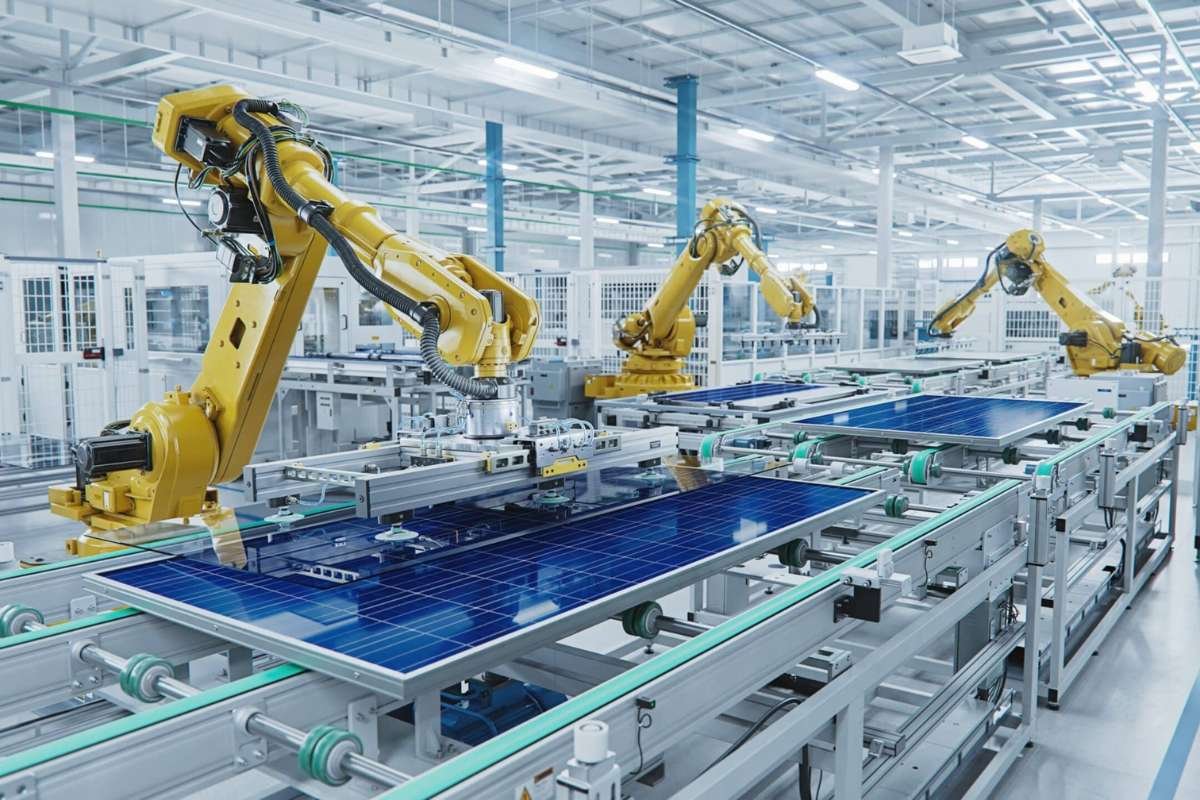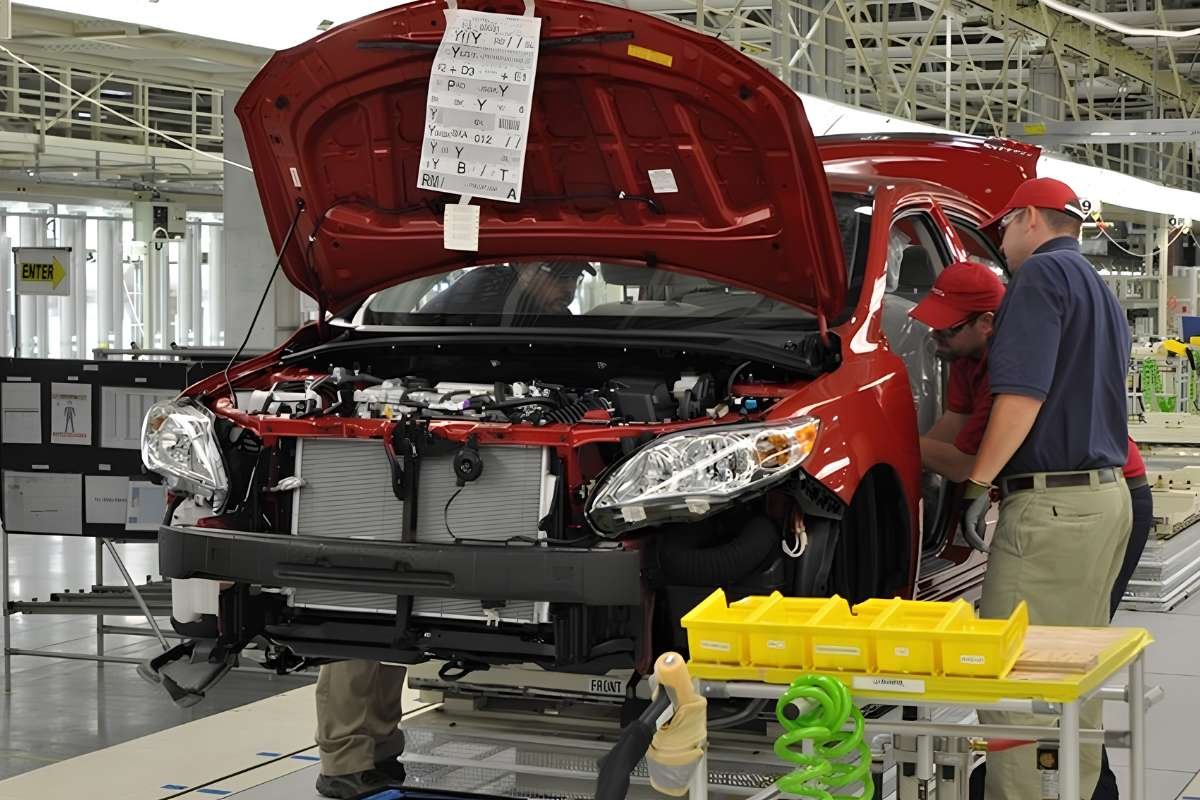
Ever wonder how Toyota builds cars without huge warehouses full of parts? That’s just-in-time (JIT) production at work. It’s one of the smartest ideas in modern factories. Many companies waste money storing parts they don’t need yet.
Just-in-time production flips old factory habits upside down. Instead of storing extra stock “just in case,” factories order what they need. Toyota started this method decades ago. This article breaks down what JIT production means. You’ll see how it works in real life and where it can go wrong. By the end, you’ll know if it fits your business.
What is just-in-time production?
JIT production is a simple idea. Factories make only what they need. They make it in the right amount. They make it at the right time. There’s no extra stock sitting around.
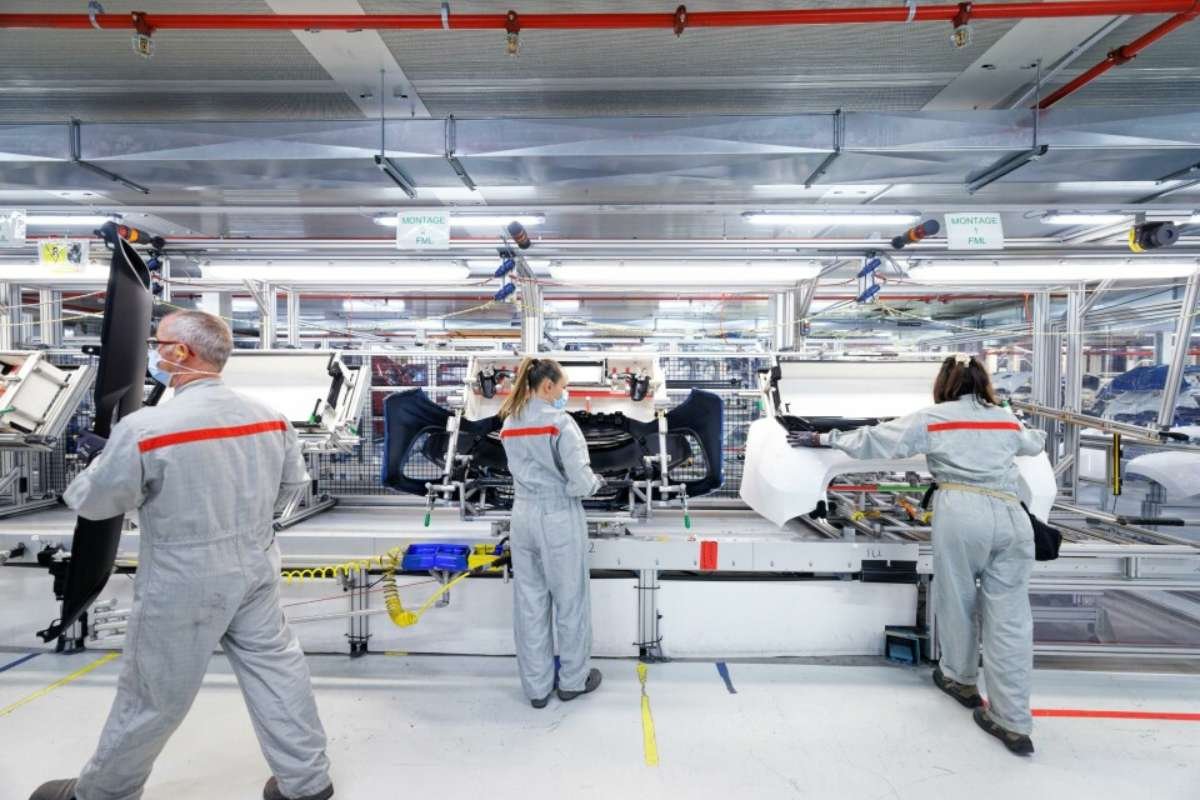
Toyota built this system to match every step of work to real customer orders. Parts arrive at the assembly line minutes before use. They don’t sit in storage for weeks. This keeps cash free instead of stuck in unused materials.
The idea sounds easy, but it takes real teamwork. Suppliers, factories, and delivery trucks all have to work like clockwork. One late truck can stop the whole line.
How does just-in-time production work?
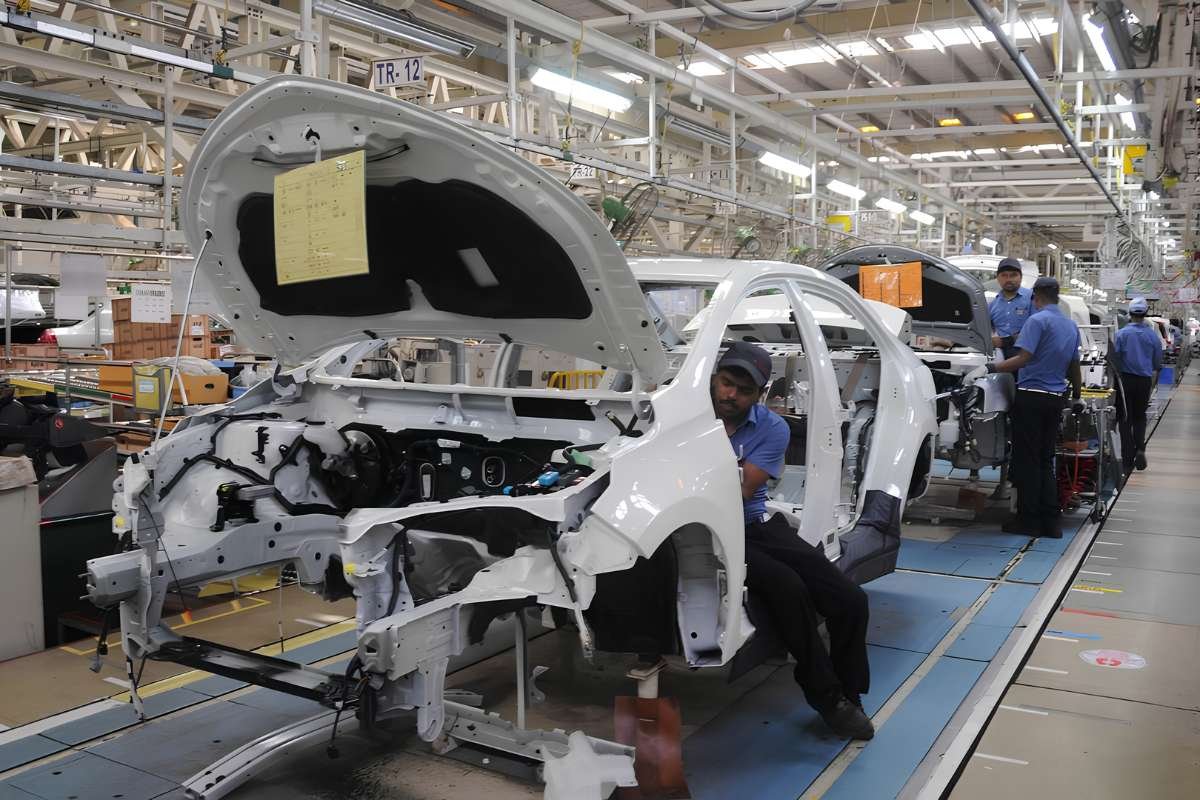
The system runs on a few simple ideas that work together every day. First, factories level out their work instead of running in bursts. This is called heijunka. It stops big swings between too much work and too little. Without this step, one slow day can pile up orders and cause chaos down the line.
Second, workers use cards or signals to show when more parts are needed. This is the kanban method. A card moves back through the line each time parts get used. This pulls supply instead of pushing it in blindly. Factories never guess how much to make. They only respond to real demand.
A study from MIT tracked Japanese car suppliers and found that stock levels dropped by nearly two-thirds on average after they switched to JIT production.
Fast tool changes matter too. Old factories often lost hours switching machines between jobs. Toyota trains workers to switch tools in minutes, not hours. This is called SMED, or quick changeover. It lets one line build different products without long waits or wasted time.
Together, these three ideas create smooth, steady flow. Parts move exactly when needed. Waste drops. Workers catch problems fast instead of hiding them under piles of stock.
Here’s a quick look at how old-style factories compare to JIT production:
| Factor | Old-Style Factories | Just-In-Time Production |
|---|---|---|
| Stock Levels | High, stored early | Low, ordered as needed |
| Cash Flow | Stuck in stock | Free for other use |
| Waste | More, extra parts pile up | Less, parts are used fast |
| Supply Risk | Lower, extra stock helps | Higher, timing must be exact |
Why did Toyota build it this way?
Toyota didn’t build this system just for fun. After World War II, Japan had few resources. Storing extra parts wasn’t an option. This need led to a new idea. That idea became a world standard.
Toyota also wanted to catch mistakes fast. When there’s no big pile of stock to hide problems, workers spot defects right away. They fix issues on the spot. They don’t find them weeks later buried in old stock.
This links to another Toyota idea called Jidoka. Machines stop on their own when something goes wrong. No one keeps building bad parts. Just-in-time production and Jidoka work as a team.
What happens when JIT production fails?
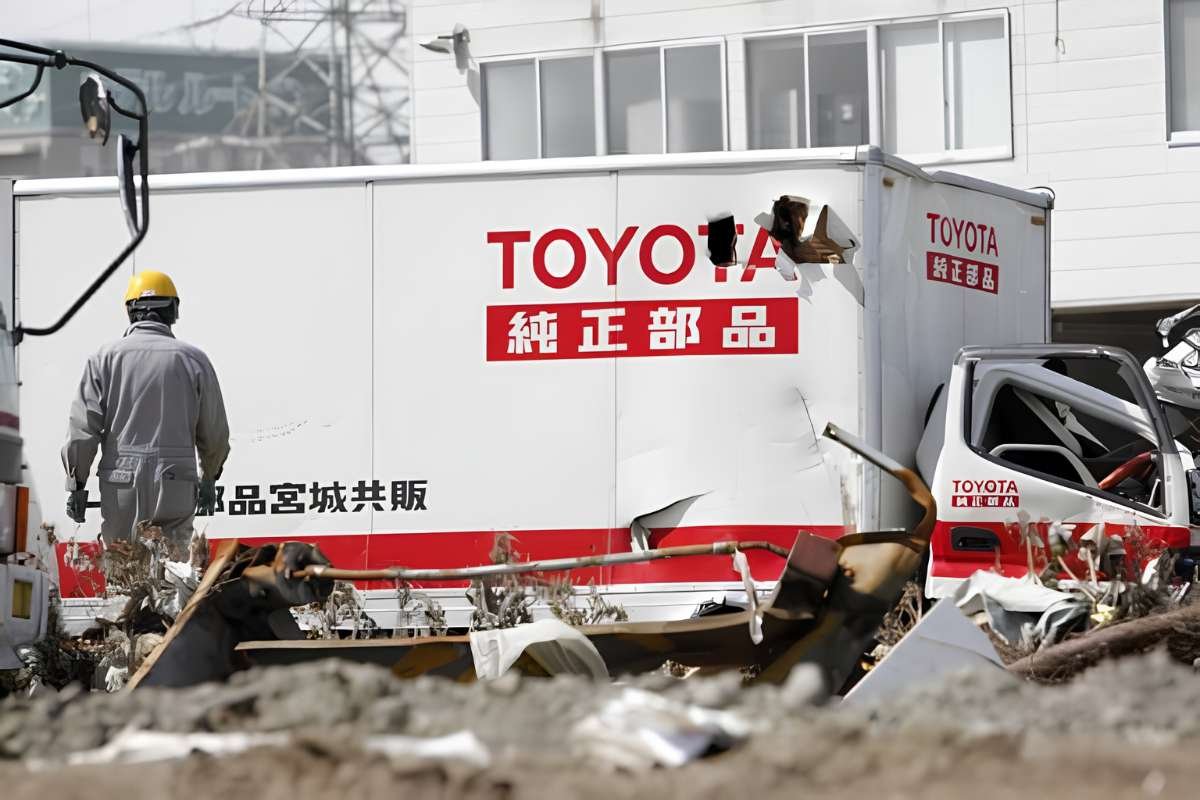
The 2011 earthquake in Japan showed a real weak spot. Toyota’s supply chain froze. Many key parts came from just a few special suppliers. Thousands of parts had nowhere to come from.
The pandemic hit even harder. Computer chip shortages hurt car makers around the world. AlixPartners, a consulting firm, said the chip shortage cost automakers $210 billion in lost revenue in 2021 alone. Automakers built 7.7 million fewer vehicles that year because no one had kept extra chips on hand. Just-in-time production works great until a big shock breaks the timing.
Toyota learned from the 2011 disaster. The company changed its plan. Now it keeps some backup stock for high-risk parts. It still stays lean everywhere else. This mix protects the company without losing the core idea.
Which industries use JIT production today?
Car factories are the classic example, but they’re not the only ones. Fast fashion stores use similar tricks to avoid piles of unsold clothes. Tech companies do this too. They order parts close to when they build products.
Restaurants use a version of this every day. Fresh food arrives right before it’s cooked. This cuts down on waste. The core idea works well outside of factories too.
Here’s where JIT production shows up most:
- Car assembly plants
- Electronics factories
- Fast fashion clothing stores
- Food and grocery supply chains
- Furniture and appliance makers
Is just-in-time production right for your business?
Not every company should copy Toyota exactly. JIT production needs trusted suppliers. It needs steady demand. It needs strong delivery systems. Small businesses without these pieces can get hurt fast.
Big companies with suppliers overseas face other risks. One late shipment can shut down work for days. Think hard about your supplier ties before you jump in fully.
Start small if you’re not sure. Try JIT production on one product first. This gives you real results, not just guesses. It also limits your risk if something goes wrong.
The bottom line
Just-in-time production is still one of the best ways to cut waste and free up cash. Toyota proved it works for decades. But recent supply shocks proved it needs backup plans too. Chip shortages and natural disasters showed the risks of cutting stock too thin.
The best method mixes lean thinking with smart risk planning. This means staying lean most of the time. It also means keeping small buffers for your riskiest parts. Want to fix your own production plan? First, find out where your stock sits unused. Then ask if JIT production could help. Start small, track your results, and adjust as you learn.
FAQs
1. How is JIT production different from lean manufacturing?\
Lean manufacturing is the big idea. JIT production is one tool inside it that focuses on timing.
2. What software helps run JIT production?
Most companies use tools like SAP or Oracle. They pair these with card systems that track supply in real time.
3. Can small businesses use JIT production?
Yes. Start with one product line. Build strong ties with local suppliers first.
4. How long did Toyota take to perfect this system?
Toyota built the system slowly from the 1930s to the 1970s. Then it became known worldwide.
5. Does just-in-time production raise shipping costs?
Often yes. Smaller, more frequent deliveries cost more than big bulk shipments. But saved storage costs often make up for it.