You know how frustrating it feels when a supplier misses a key deadline. You lose time. You lose money. You lose customer trust. Many companies handle these partnerships like simple one-off transactions.
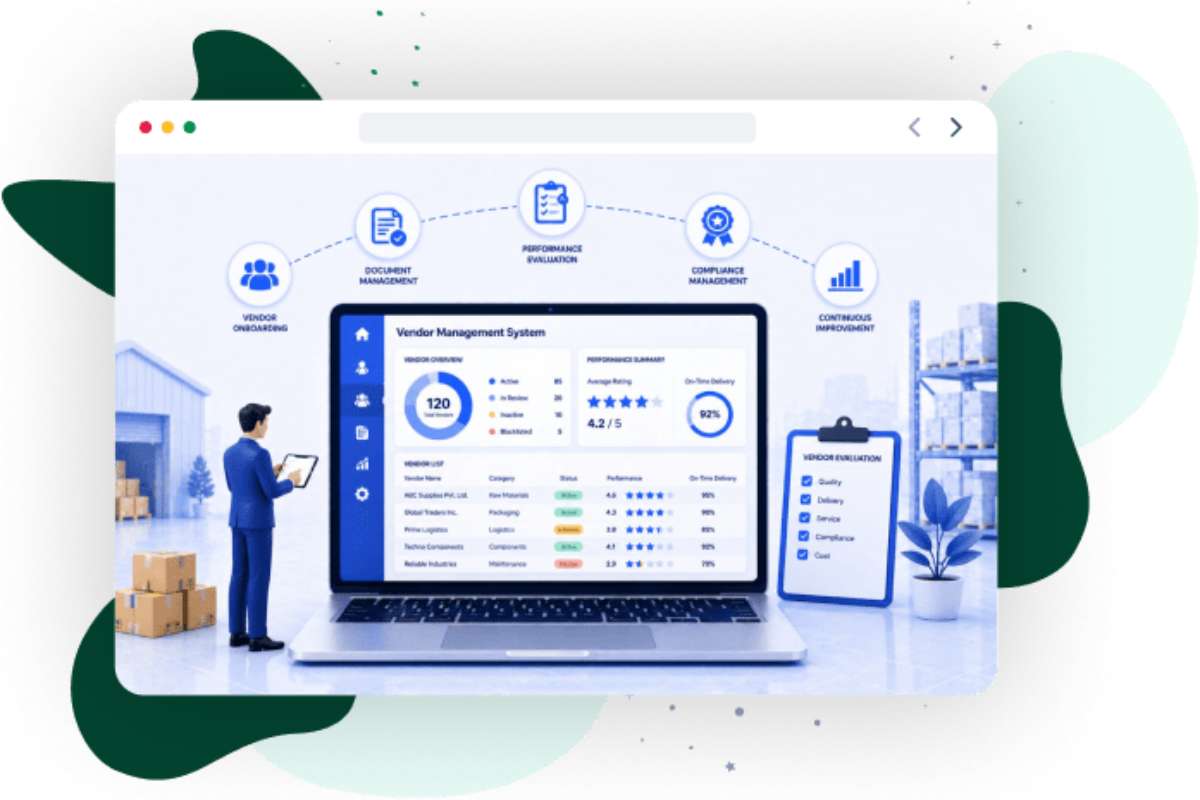
They pay the invoice and hope for the best. That strategy carries massive risks. A vendor management system changes that dynamic by centralizing every detail of your supplier relationships into one digital hub. It tracks your data. It manages your contracts. It monitors your financial performance in real time.
When you use this technology, you transform a chaotic supply chain into a streamlined asset that fuels growth. Most top firms now rely on these platforms to keep operations stable. If you want to outperform your competitors this year, you must understand how to use these tools to save your budget and reduce your exposure to outside threats.
How can a vendor management system help you lower supply chain risks?
The digital world gets more dangerous every day. Bad actors often target your vendors to reach your data. You must prepare for these threats before they reach your network.
Supply chain attacks are now some of the most expensive problems a business can face. Many of these data breaches involve a third party. You cannot ignore these risks. Your security plan depends on knowing exactly who has access to your systems. A strong Vendor Management System gives you the visibility you need to spot these threats early.
| Attack Vector | Average Cost | Why It Matters |
| Malicious Insider | $4.92 Million | Trust violations |
| Third-Party Compromise | $4.91 Million | Lack of oversight |
| Phishing Attacks | $4.80 Million | High frequency |
What are the top vendor management system trends for 2026?

The market for this software is growing fast. More companies are moving away from manual spreadsheets to get better visibility. They want to see exactly what their partners are doing in real time.
Several big trends are changing how leaders invest their money:
- AI Tools: Software now uses smart tech to predict which vendors might face money trouble soon.
- Cloud Storage: Most firms now pick cloud-based options to handle global work without needing big hardware.
- Automated Compliance: New tools warn you right away when a partner misses a security update.
These changes prove that the industry wants smarter, faster, and more automated options. If you still use paper or basic files, you will fall behind. Modern leaders now need live data to manage their networks.
Simple steps to choose your new vendor management system
Picking the right platform feels overwhelming. You face too many choices. Follow this simple path to make your decision easier and avoid common mistakes.
First, define your needs. Ask your procurement team which tasks take the most time. Do they struggle with onboarding new suppliers? Do they get lost in invoice errors? Your software should solve the specific pain points that plague your daily work.
Second, check for integrations. Your new tool must talk to your existing ERP system. If the data remains siloed in a separate app, your staff will just ignore it. Look for solutions that share information automatically with your accounting and project management platforms.
Third, evaluate vendor support. You need a partner that offers more than just a login link. You want a team that provides training for your staff and reliable help when technical issues arise.
Finally, prioritize security features. You handle sensitive financial and proprietary data. Ensure the provider follows global standards and offers robust encryption for all stored records.
READ MORE:
- How to Improve Vendor Management and Secure Your Supply Chain
- Inventory Management Systems: Streamlining Your Business Operations
How to measure ROI with data?
Your leadership team wants proof that your software investment works. Speak their language. Do not just talk about better relationships. Talk about the cold, hard cash you save or generate.
Focus your reporting on these three metrics:
- Audit Savings: Track how many duplicate or incorrect invoices your system catches. Recovering these funds proves the software pays for itself in months.
- Maverick Spend: Monitor how often your team bypasses approved suppliers. When you capture this spending, you lock in better volume discounts.
- Risk Mitigation: Calculate the potential costs you avoided by identifying vendors with expired certifications. Security teams understand the value of preventing a multi-million-dollar breach.
Present these numbers quarterly. When you show clear financial benefits, you stop being a cost center. You become a strategic partner who drives the company forward.
Boosting performance through automation
Manual tasks kill productivity. You waste hours chasing emails to get basic information from partners. Automation frees your team to focus on high-value tasks like strategy and relationship building.
Use your platform to handle these routine activities:
- Automated Onboarding: Send self-service forms to new partners. They enter their own data, and the system performs the validation check for you.
- Recurring Reminders: Let the system nag vendors for updated insurance policies. You no longer need to send manual email follow-ups.
- Payment Workflows: Sync your approval process to your procurement data. When a vendor meets their service agreement, the system prepares the payment for release.
This efficiency allows you to manage larger networks without adding headcount. You scale your operations while keeping your error rates near zero. This is how high-growth companies manage to expand so quickly.
Conclusion:
Strong vendor management defines the success of your supply chain. It requires a steady cycle of checking, watching, and fixing. If you follow these steps, you will protect your business and turn your supplier list into a competitive advantage.
You have the data. You have the tools. Now you need to execute.
FAQs
1. Is a Vendor Management System only for big companies?
Not at all. Small and mid-sized businesses often face higher risks because they lack dedicated departments. A basic inventory of who has access to your systems is a great first step for any-sized business.
2. What is the most common mistake in 2026?
Forgetting to close access when a contract ends. Research shows that 25% of former workers or partners often retain access to old accounts. Always remove their access immediately.
3. How often should I perform a risk assessment on a top vendor?
For your most critical partners, perform a comprehensive review at least quarterly. Use this time to update their security certifications and confirm their financial health remains strong.
4. Does AI actually help in vendor management?
Yes, AI tools now automate risk scoring and predictive analytics. They alert you to financial instability or compliance gaps much faster than any human analyst could.