
Automation hit $29.95B in 2026. Gain 200-400% ROI by replacing manual tasks with smart tools. Stop the busywork and start your automation roadmap today. Read more.
Manual document work slows your team down. Employees often spend hours moving files, typing data, and waiting for approvals. This takes time away from important projects.
Document workflow automation fixes this. It handles file movement and approvals for you. This lets your team focus on growth instead of busywork.
In 2026, business leaders are using software to manage these repeated tasks. This helps companies scale. Read on to learn how to set up these tools and see results this year.
What Is the State of Document Workflow Automation in 2026?
Automation is no longer just an experiment. It is a must for any business that wants to grow over the next five years. Companies are moving away from doing tasks one by one and are using systems that finish the whole process.
The numbers prove this shift. In 2026, the global workflow automation market reached $29.95 billion. Businesses now prefer software that works well with the tools they already use, such as their accounting or customer management systems.
Why the sudden rush? It comes down to one thing: data velocity.
What Trends Are Shaping the Market This Year?

Several key developments are changing how businesses handle their daily files:
- Smart Data Entry: New tools use AI to read and sort documents fast. This replaces slow, manual typing.
- Easy Setup: You do not need a coder to build a workflow. Simple visual tools let your team set up rules in minutes.
- Better Security: Safety is a top goal. Modern platforms track every document to make sure your company follows all the rules.
How Does Document Workflow Automation Compare to Manual Methods?
See how these new systems compare to your old, manual habits with this quick overview.
| Feature | Old Manual Method | 2026 Automation |
| Data Entry | Manual Typing | AI-Powered Auto-Fill |
| Approval Time | Days (Email chain) | Seconds (Auto-routing) |
| Error Rate | High (Human fatigue) | Near Zero (Rule-based) |
| Tracking | Spreadsheet log | Real-time Dashboard |
Why Are Business Leaders Choosing Document Workflow Automation?
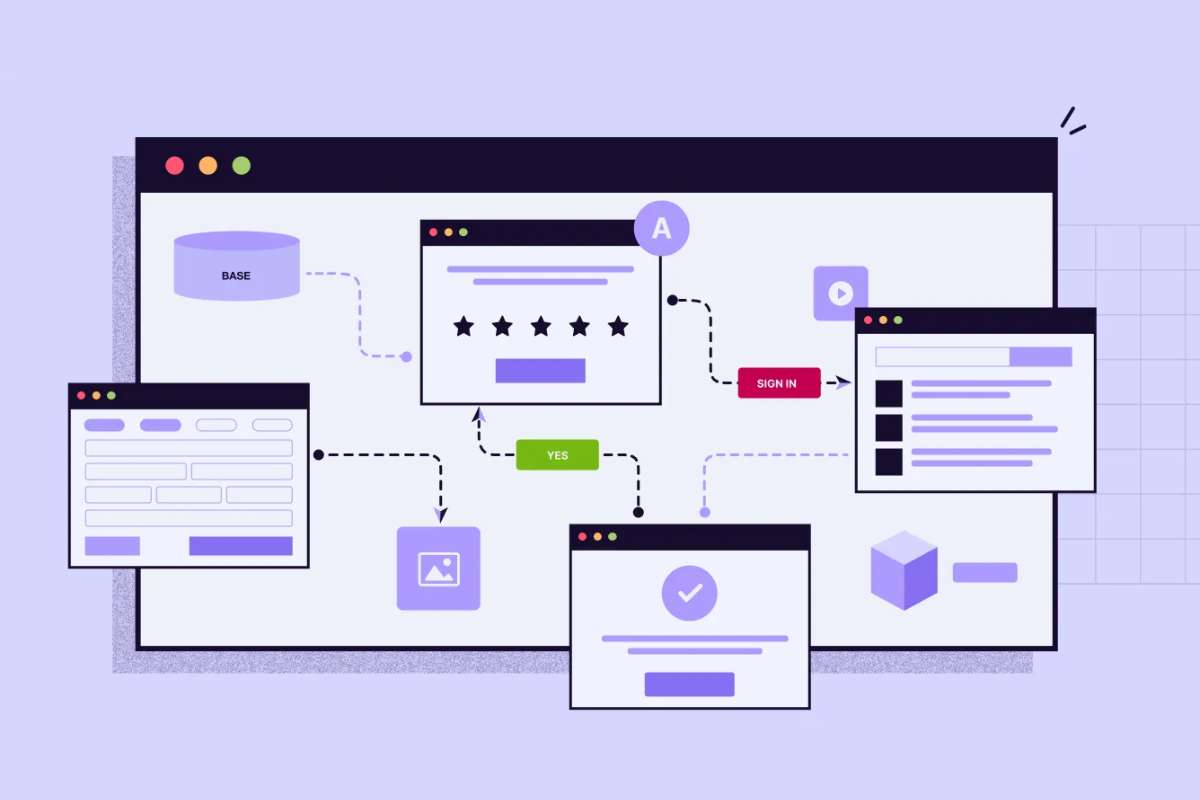
Automation does more than save time. It adds reliability. An automated workflow stays consistent. It does not get tired, forget tasks, or miss deadlines.
Here is why businesses are making the switch:
- Manual workflows stop when people are busy, sick, or on vacation. Automated systems keep going. They send tasks to the next person or flag them if a deadline gets close. This keeps your business running 24/7.
- If you work in a strict industry, you need a clear data trail. Automation platforms log every action. You will know exactly who touched a file and what they changed. This turns audits into simple status reports instead of a month-long headache.
- Your best employees dislike repetitive data entry. When you remove copy and paste tasks, your staff can focus on work that requires real thought. This helps you keep your best talent.
READ MORE:
- AP Automation Basics for Teams Moving From Manual Systems
- Robotics and Automation: Shaping the Future of Industries
- Manufacturing Automation: Smarter Tools for Faster Production
Does Document Workflow Automation Actually Save Money?
You might wonder if this pays off. The data says yes. A 2026 analysis shows that document automation delivers a 200% to 400% return on investment in the first year. Many companies see the system pay for itself in just three to six months.
Where the Money Returns:
- Lower Labor Costs: Your team stops doing repetitive data entry and spends their time on important projects.
- Fewer Errors: You save money by avoiding costly mistakes on invoices and contracts.
- Faster Cash Flow: Quicker document workflows mean you get paid faster.
A 2026 report by PwC notes that 72% of operations leaders rank automating operations as a top three AI investment. Leaders do this because the financial gains are too large to ignore.
How Do You Select the Right Document Workflow Automation Stack?
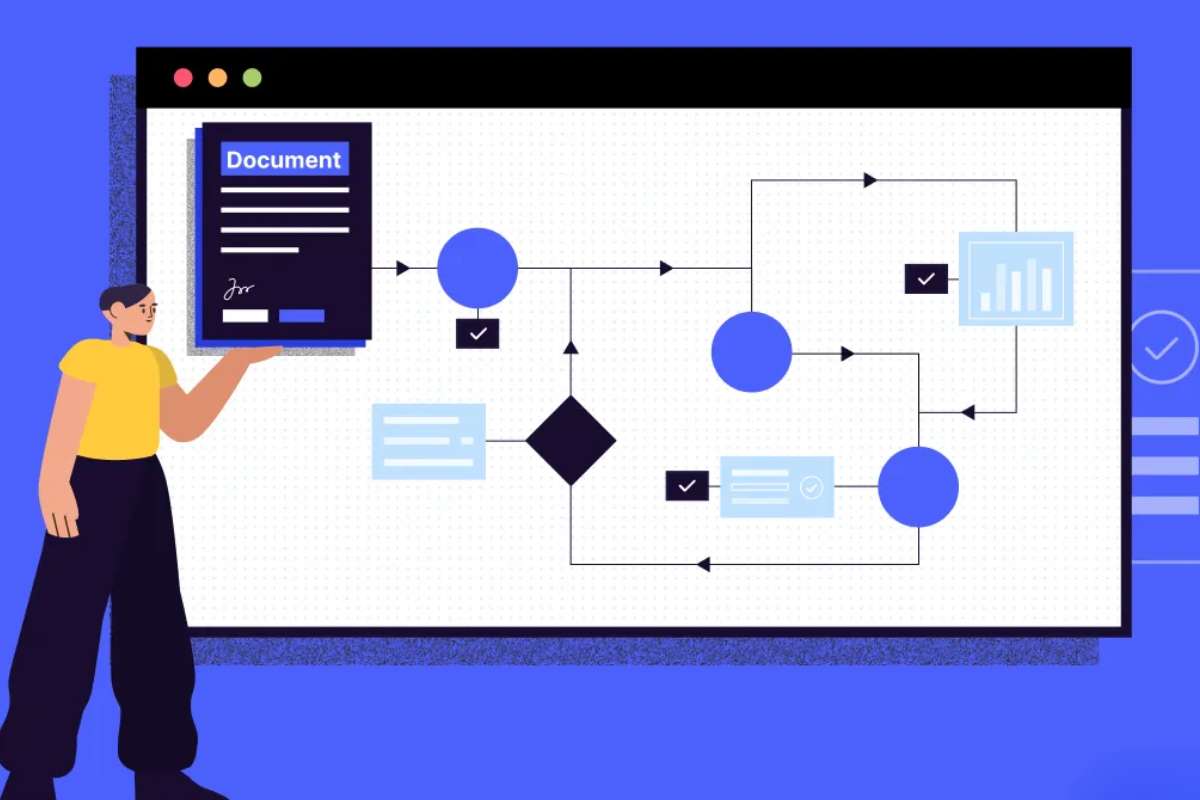
You need a platform that talks to the apps you already use. If a document tool cannot pull data from your CRM or save files to your cloud storage, it creates more work for your team instead of less.
What to look for:
- Native Integration: The tool must connect to your current ERP, CRM, and communication apps like Slack or Teams.
- Scalability: Can the tool handle 100 documents a month? What about 100,000? Pick a platform that grows as your business grows.
- Low-Code Flexibility: If you need a software developer to change a simple rule, you will never update your system. Choose tools that your managers can adjust themselves.
- Security Standards: Ensure the provider meets safety rules like SOC2 or GDPR, especially if you handle private customer data.
How Do You Deploy Automation Without Chaos?
The biggest mistake companies make is trying to automate everything at once. This creates a mess of disconnected rules that are impossible to manage.
- Start with Quick Wins: Pick one process, like invoicing or onboarding new employees. These tasks are repetitive and use many documents.
- Map the Current Flow: Draw your process on a whiteboard. Write down every step, every human decision, and every time someone moves data manually.
- Clean Your Data: Automation fails if your source data is poor. Fix your contact lists, update vendor info, and organize your folders before you start.
- Build, Test, and Launch: Use a test area first. Run the system with a small set of documents. Make sure it handles errors like missing signatures or wrong file formats before you go live.
- Monitor and Tweak: Once the system is live, watch the results. Identify where the process stalls and refine your rules as needed.
Conclusion:
Technology will only get smarter. By 2030, the market for these tools will reach $25.5 billion. Companies that act now will have a big lead over those that wait.
You are not just buying software. You are buying a faster, more reliable way to run your business. Stop letting manual work slow you down. Start your document workflow automation plan today.