Marketing funnels guide potential customers from first contact to repeat purchases. Instead of chasing attention unthinkingly, businesses utilize this system to understand how people discover a brand, develop an interest in it, and ultimately decide to make a purchase. A well-planned marketing funnel turns scattered efforts into a clear growth path.
Every business faces the same pressure. Attention is expensive, trust takes time, and customers have more choices than ever. A marketing funnel breaks this complexity into clear phases that reflect real buying behavior. People do not wake up ready to purchase. They learn, compare, hesitate, and return before committing.
The stages of funnel marketing help teams focus energy where it matters most. Rather than pushing sales too early or ignoring loyal buyers, companies track progress and improve results incrementally. In this article, we outline the core phases of funnel marketing, provide guidance on building a strong funnel for 2026, highlight common mistakes to avoid, and share real-world examples of effective funnels.
What Is a Marketing Funnel?
It shows how customers move from discovering a brand to becoming repeat buyers. It begins broadly, involving many people, and narrows down to only those who are most interested, who continue forward. This structure helps businesses understand where attention drops and why conversions fail.
The marketing funnel is effective because it accurately reflects human decision-making processes. Buyers research before they commit. They read reviews, watch videos, compare options, and often delay action. In 2026, with mobile-first habits and endless distractions, this behavior has only intensified.
Funnels also vary by industry. E-commerce brands focus on speed and clarity. Service businesses rely on longer trust-building cycles. While tactics change, the goal remains the same: guide people forward with relevance and timing.
Core Phases of Funnel Marketing
The stages of funnel marketing follow how people think and act during a buying journey. Each phase serves a distinct purpose and requires a different strategy. Skipping or rushing any phase weakens the entire funnel.
1. Awareness Phase
The awareness phase introduces your brand to people who are not yet aware of your existence. These users are searching for answers, not products. Your role is to appear when they need clarity.
Content here focuses on education and visibility. Blog articles, search ads, social posts, short videos, and explainers work best. Broad topics attract volume and help your brand enter the conversation.
In 2026, short-form video and search-driven content dominate this phase. Metrics such as impressions, reach, and page views indicate whether awareness efforts are practical. An intense awareness phase feeds the rest of the marketing funnel with qualified attention.
2. Interest and Consideration Phase
Once awareness exists, people begin evaluating options. They want details, proof, and reassurance. This phase is where trust starts to form.
Longer content plays a key role. Case studies, comparison pages, webinars, email newsletters, and product demos answer questions and reduce doubt. The stages of funnel marketing depend heavily on this phase because most buying decisions are influenced during this stage.
Email marketing remains powerful in 2026. Automated sequences deliver value over time and keep brands top of mind. Engagement metrics such as time spent, downloads, and email responses signal growing intent.
3. Conversion Phase
The conversion phase is where action happens. The customer is ready but still cautious. Your task is to remove friction rather than apply pressure.
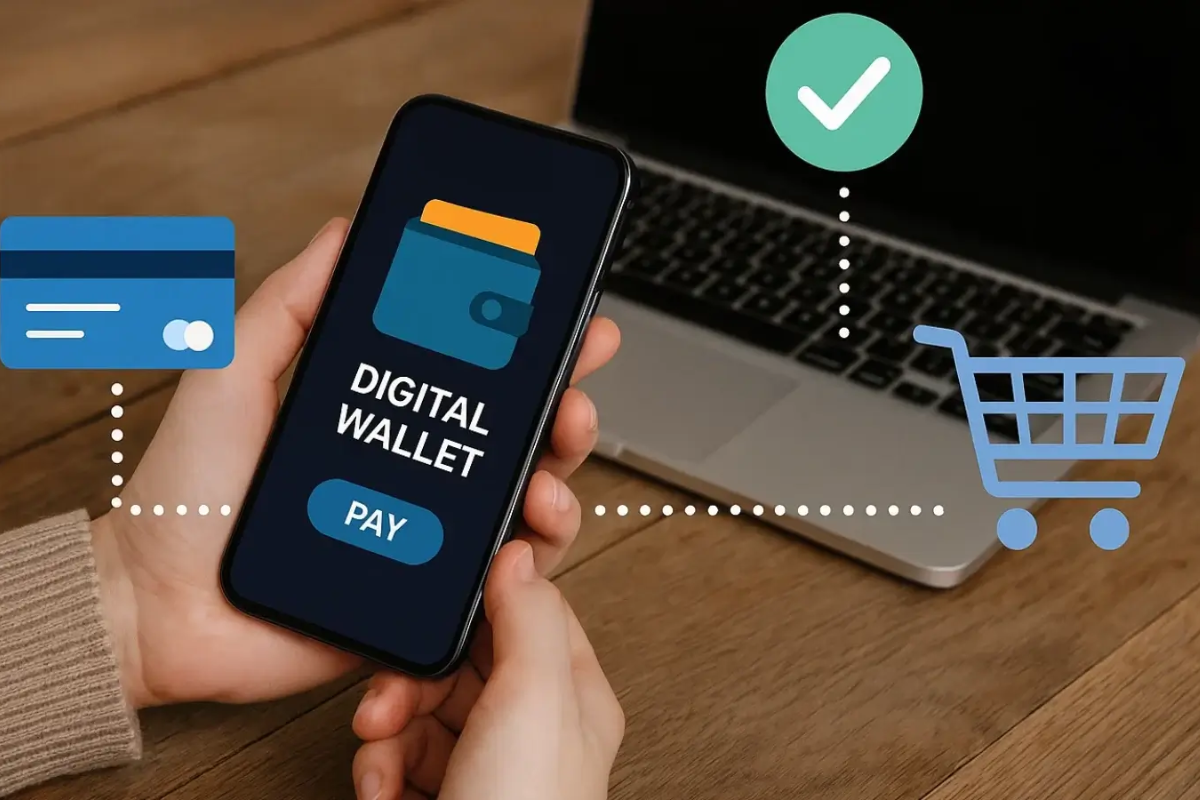
Transparent pricing, fast-loading pages, simple checkout processes, and visible support make decision-making easier. Payment tools like digital wallets speed up purchases. Retargeting emails and reminders help close gaps.
In the marketing funnel, conversion success reflects how well earlier phases were handled. Poor education or weak trust leads to hesitation, regardless of whether discounts or urgency are present.
4. Retention and Loyalty Phase
Many businesses stop after conversion, which limits growth. Retention focuses on keeping customers engaged after purchase and building long-term value.
Follow-up emails, onboarding guides, loyalty rewards, and consistent support strengthen relationships. The stages of funnel marketing only work fully when loyalty receives attention equal to acquisition.
Repeat purchases, referrals, and feedback indicate whether this phase is healthy. In 2026, retention often costs far less than acquiring new customers and delivers higher returns.
5. Advocacy Phase

Advocacy turns satisfied customers into promoters. Reviews, testimonials, referrals, and shared experiences emerge from this phase.
Brands encourage advocacy by listening, responding, and improving based on feedback. Recognition and appreciation matter more than aggressive incentives.
A mature marketing funnel utilizes advocacy to restart the cycle by bringing new people into awareness through trust, rather than relying on ads.
Building a Marketing Funnel for 2026
Start with audience research. Surveys, customer interviews, and behavior tracking reveal how people interact with your brand. Build the marketing funnel based on real actions rather than assumptions.
Choose channels that align with each phase. Social platforms support awareness. Email strengthens consideration. Customer support reinforces loyalty. A CRM system helps track movement across phases.
Testing is essential. Experiment with various content formats, page layouts, and messaging strategies to optimize and enhance your online presence. In 2026, privacy rules place greater value on first-party data, making email lists and direct engagement critical.
Tools That Support Funnel Marketing
Several tools simplify funnel management. Analytics platforms track behavior across phases. Automation tools manage communication without losing consistency.
Free tools like Google Analytics help identify drop-offs. Email platforms manage follow-ups. Heatmap software reveals friction points.
Paid tools offer deeper insights but are not required for success. Start with essentials and scale based on results.
Common Funnel Mistakes to Avoid

Many businesses focus only on awareness and ignore loyalty. Others push sales before trust exists. Both approaches weaken the funnel.
Mobile performance is another common issue. Most purchases now happen on phones, making speed and clarity essential.
Ignoring testing leads to stagnation. Regular reviews help identify issues early and steadily improve outcomes.
Real Examples of Funnel Marketing That Work
Large brands and small businesses rely on funnels. Retailers use social platforms to drive awareness and apps to strengthen loyalty. Software companies educate users through webinars before conversion. Local services follow up with messages that encourage repeat visits.
Each example follows the same logic: guiding attention, supporting decisions, and maintaining relationships.
Conclusion
A marketing funnel provides businesses with a structured approach in a crowded and fast-moving market. Instead of guessing what customers want, teams can understand intent, build trust gradually, and guide decisions with clarity. Each phase plays a crucial role, and skipping steps often results in wasted effort and lost revenue.
The stages of funnel marketing work best when treated as a continuous system rather than a one-time setup. Customer behavior shifts, platforms change, and expectations grow, especially in 2026. Brands that review performance regularly and adjust based on real data stay relevant without chasing trends unthinkingly.
Strong funnels focus on people first. When businesses understand how buyers think, research, and make decisions, results follow naturally. A well-built funnel does not push customers forward; instead, it guides them. It supports them at every step and builds relationships that last beyond the first purchase.