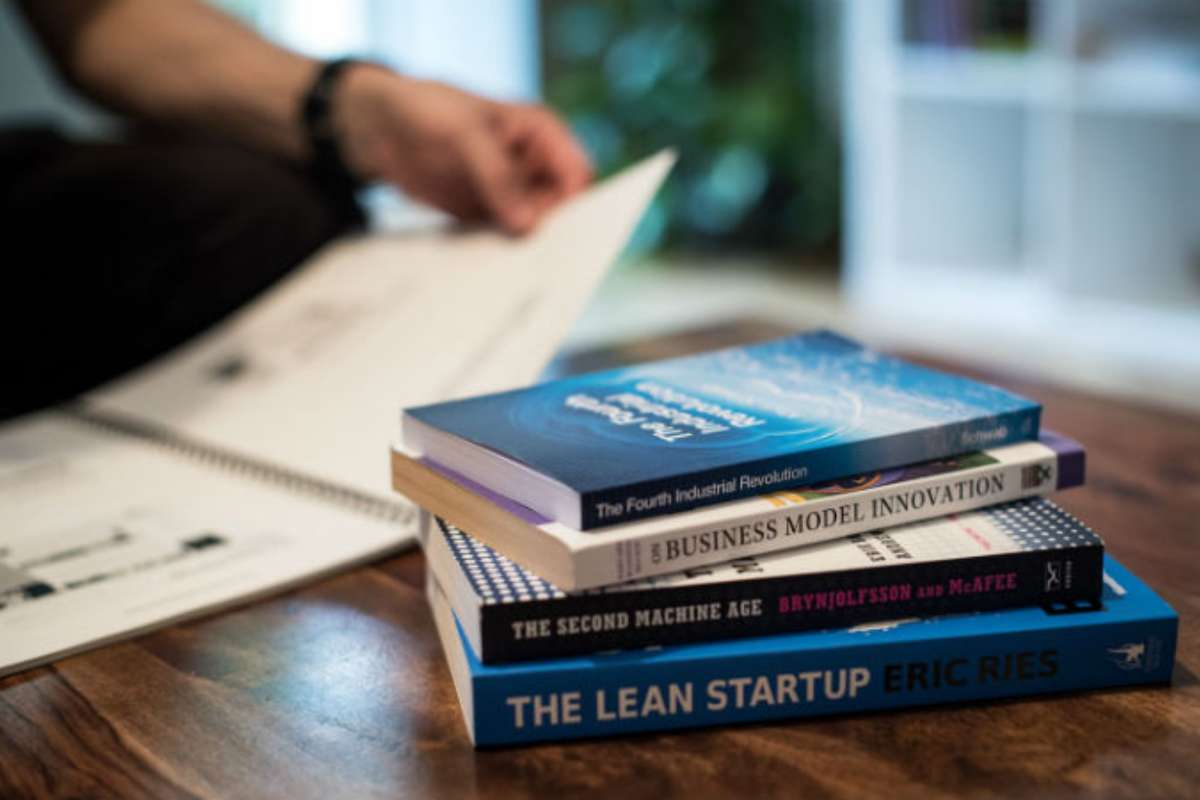
Starting a business today is very different from how it worked twenty years ago. In 2026, founders can launch companies from laptops, test ideas online, and reach customers around the world. But even with new tools, the basics of building a business remain the same.
You still need a strong idea, a clear strategy, and the ability to solve problems. That is why many founders read books about starting a business before launching their first company.
The right book can help you understand customers, build systems, manage money, and grow a brand. Many guides online repeat the same short lists without explaining why the books matter.
This guide looks at the top books for starting a business in 2026 and explains what each one teaches.
These books are widely recommended by founders, startup mentors, and business schools because their lessons still work in modern startups.
15 Top Books for Starting a Business in 2026
| Sr. no. | Book | Author | Focus |
| 1 | The Lean Startup | Eric Ries | Testing business ideas |
| 2 | Zero to One | Peter Thiel | Innovation and unique ideas |
| 3 | The E-Myth Revisited | Michael E. Gerber | Business systems |
| 4 | The $100 Startup | Chris Guillebeau | Low-cost businesses |
| 5 | Start With Why | Simon Sinek | Purpose-driven brands |
| 6 | The Hard Thing About Hard Things | Ben Horowitz | Leadership challenges |
| 7 | Rich Dad Poor Dad | Robert Kiyosaki | Financial mindset |
| 8 | Company of One | Paul Jarvis | Small but profitable businesses |
| 9 | Rework | Jason Fried & David Heinemeier Hansson | Simple business building |
| 10 | Shoe Dog | Phil Knight | Real startup story |
| 11 | Atomic Habits | James Clear | Productivity for founders |
| 12 | Good to Great | Jim Collins | Long-term company growth |
| 13 | The 4-Hour Workweek | Tim Ferriss | Automation and lifestyle business |
| 14 | Built to Last | Jim Collins & Jerry Porras | Sustainable companies |
| 15 | Traction | Gino Wickman | Business management systems |
Below are the top books for starting a business that continue to help entrepreneurs build better companies in 2026.
1. The Lean Startup – Eric Ries
Many startup founders begin with The Lean Startup. It explains how to launch a business without wasting years building something customers may not want.
The core idea is simple. Start with a small version of your product, test it with real users, and learn from their feedback. This process is called the build–measure–learn loop.
Instead of guessing what customers want, entrepreneurs gather real data before investing heavily.
Why this book is valuable for new founders:
- Teaches how to test business ideas quickly
- Reduces the risk of launching the wrong product
- Helps startups adapt when markets change
- Works well for both digital and physical businesses
Many successful startups still use these methods, which is why they remain among the best.
2. Zero to One – Peter Thiel
This book focuses on innovation. Peter Thiel argues that great companies do not simply copy what others are doing. They create something new.
He describes two types of progress:
- 1 to n: improving existing ideas
- 0 to 1: creating something completely new
The most successful startups often focus on the second approach. Instead of entering crowded markets, they create new categories.
Key lessons from the book:
- Unique ideas face less competition
- Technology can create new industries
- Strong founders often think differently from the crowd
- Monopoly-like advantages help companies grow faster
For entrepreneurs working on bold ideas, this is one of the top books to read early.
3. The E-Myth Revisited – Michael E. Gerber
Many people start businesses because they are skilled at something. A baker opens a bakery. A designer starts a design studio. But skill alone does not guarantee success.
The E-Myth Revisited explains why many small businesses fail. Owners often spend all their time doing the work instead of building systems.
Gerber argues that businesses should run through clear processes, just like franchises.
Important ideas in the book include:
- Build repeatable systems early
- Train employees using clear procedures
- Focus on growth instead of daily tasks
- Structure your business so it can scale
Because of its practical lessons, it remains one of the top books for starting a business.
4. The $100 Startup – Chris Guillebeau
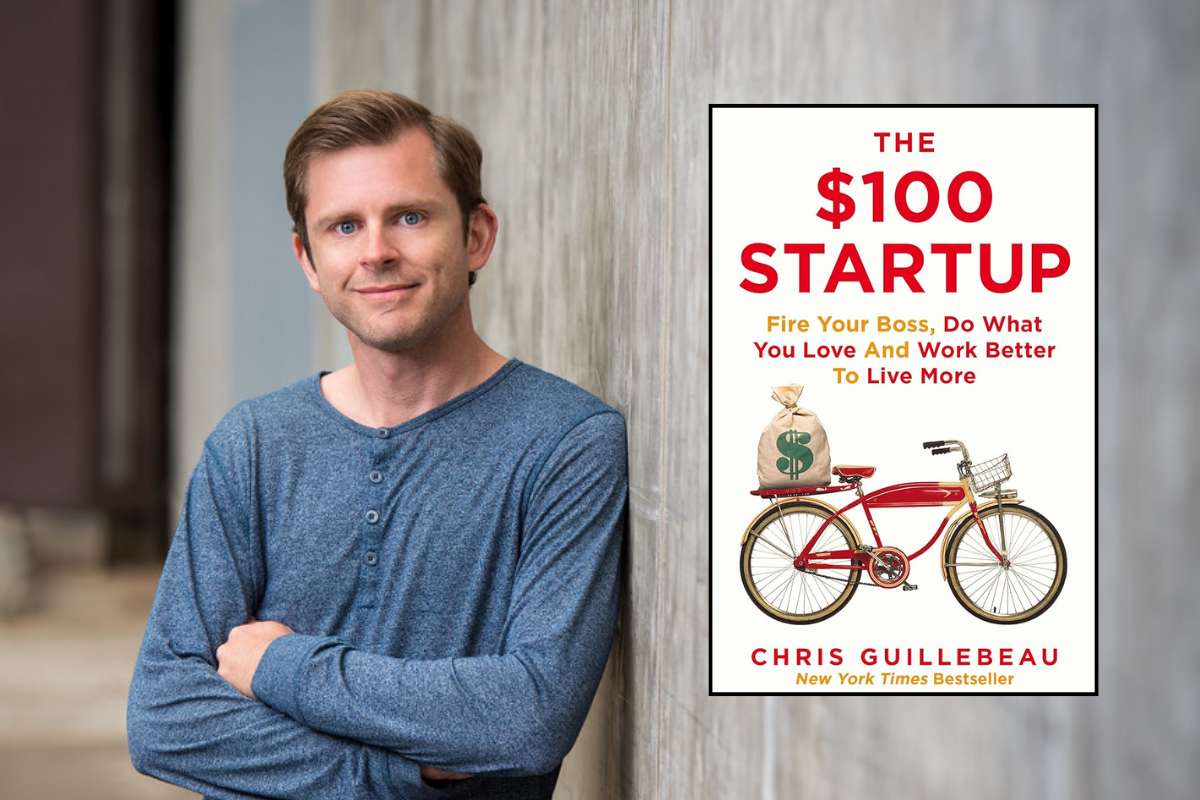
This book shows that starting a business does not always require large investments. Many successful companies began with small budgets and simple ideas.
The author shares real stories of people who built profitable businesses with limited resources.
The main focus is on creating value using skills you already have.
What entrepreneurs learn from this book:
- Start with skills or knowledge you already possess
- Keep costs low during the early stages
- Test ideas before expanding
- Focus on solving specific problems for customers
In the modern creator economy, these ideas make this a great book for beginners.
5. Start With Why – Simon Sinek
Successful companies often begin with a strong purpose. Start With Why explains how businesses that communicate their mission clearly build loyal communities.
Sinek introduces the Golden Circle, which has three layers:
- Why: the reason your company exists
- How: the way you deliver value
- What: the product or service you sell
Companies that lead with purpose tend to inspire both customers and employees.
The book helps founders:
- Define their mission clearly
- Build a stronger brand identity
- Communicate ideas effectively
- Create deeper customer loyalty
These lessons keep it among the best, even many years after its release.
6. The Hard Thing About Hard Things – Ben Horowitz
Most business books talk about strategy and growth. This one focuses on the difficult moments founders face.
Ben Horowitz shares lessons from building and managing technology companies. The book discusses real leadership challenges.
Topics covered include:
- Managing layoffs
- Handling company crises
- Making unpopular decisions
- Staying strong during uncertainty
The honest tone makes the book extremely valuable. Entrepreneurs often find comfort knowing other founders faced similar struggles. Proving itself to be one of the top books for starting a business.
READ MORE:
- Top 12 Entrepreneurship Books Every Future Founder Should Know in 2026
- 50 Profitable Business Ideas in 2026
7. Rich Dad Poor Dad – Robert Kiyosaki
Although not strictly a startup guide, this book teaches an important lesson about money and financial thinking.
The story compares two approaches to money management. One focuses on traditional employment, while the other focuses on investing and assets.
The book introduces several important financial ideas:
- Understanding assets and liabilities
- Building long-term wealth
- Developing financial literacy
- Thinking like an investor
These concepts often push readers toward entrepreneurship, making it a great read.
8. Company of One – Paul Jarvis

Growth is often seen as the main goal of business. Company of One challenges that idea.
Paul Jarvis explains that some businesses become more successful by staying small and efficient.
Instead of chasing rapid expansion, entrepreneurs can focus on profitability, flexibility, and quality.
The book encourages founders to:
- Build sustainable businesses
- Avoid unnecessary scaling
- Focus on customer relationships
- Maintain control over their work
In the age of remote work and digital businesses, this perspective makes it a must-read today.
9. Rework – Jason Fried and David Heinemeier Hansson
Rework takes a different approach from traditional business books. The authors argue that many common startup rules are outdated.
They believe businesses should stay simple and move quickly.
Key ideas from the book include:
- Start small and improve gradually
- Avoid unnecessary meetings and processes
- Focus on real work instead of planning endlessly
- Launch products early and refine them later
These practical ideas make Rework one of the most approachable books for starting a business.
10. Shoe Dog – Phil Knight
This book tells the story behind the creation of Nike. Instead of theory, readers see how a global company started with a simple idea.
Phil Knight shares his experiences building the brand during the early years.
Important lessons from the story include:
- Persistence during financial struggles
- Building strong partnerships
- Creating a powerful brand identity
- Taking risks when opportunities appear
For founders who want inspiration along with practical lessons, this memoir remains one of the top books for starting a business.
11. Atomic Habits – James Clear
Entrepreneurs often overlook the importance of daily habits. Atomic Habits explains how small improvements can lead to major results over time.
The book focuses on behavior change and productivity.
Key concepts include:
- Building habits through small changes
- Designing environments that encourage productivity
- Tracking progress consistently
- Avoiding habits that slow growth
Because discipline and focus are essential for founders, this book supports many of the lessons found in many books on starting businesses.
12. Good to Great – Jim Collins
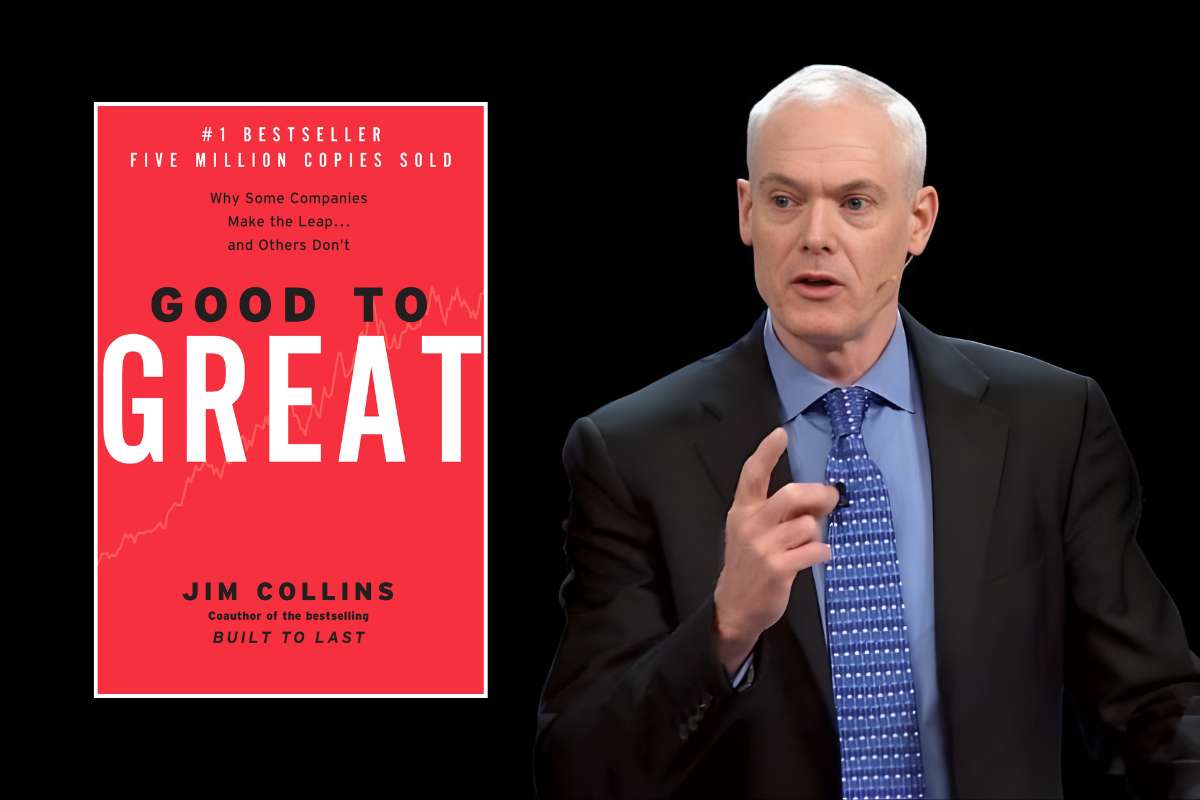
This book examines why some companies achieve long-term success while others struggle.
Jim Collins studied businesses that transformed from average performance to sustained excellence.
The research revealed several common patterns among successful companies.
Important insights include:
- Strong leadership focused on long-term success
- Disciplined teams and cultures
- Clear strategic focus
- Consistent execution over time
These insights help founders build companies that last, thus a remarkable addition to our list.
13. The 4-Hour Workweek – Tim Ferriss
Tim Ferriss challenges the traditional idea of working long hours to build a business.
Instead, he encourages entrepreneurs to create systems that automate work and increase freedom.
The book explains how founders can:
- Outsource repetitive tasks
- Build online businesses
- Use automation tools
- Focus on high-value activities
Although controversial for some readers, its ideas about efficiency keep it among the top books for starting a business.
14. Built to Last – Jim Collins and Jerry Porras
This book studies companies that remained successful for decades. Instead of focusing on short-term growth, it examines long-term stability.
The authors found that strong companies share several traits.
Important lessons include:
- Strong core values
- Long-term vision
- Continuous innovation
- Strong company culture
For founders thinking about sustainability, it remains one of the best books.
15. Traction – Gino Wickman
Running a business requires more than ideas. It also requires strong organization and leadership.
Traction introduces the Entrepreneurial Operating System (EOS). This framework helps companies manage teams, goals, and performance.
Key elements of the system include:
- Clear leadership structure
- Defined company goals
- Regular team accountability
- Strong communication across departments
Because it provides practical tools for managing a growing company, it is often recommended.
Common Lessons From the Top Books for Starting a Business
When you read many startup books, you begin to see the same ideas again and again. Each author has a different story, but their advice often overlaps. That is why the top books for starting a business can be so helpful for new founders.
One common lesson is to start small. Many successful companies began with a simple idea. Instead of waiting for the perfect product, founders launch a basic version and learn from real customers. This helps them improve the product step by step.
Another lesson is to solve real problems. Businesses grow faster when they help people in clear ways. If your product saves time, reduces stress, or makes life easier, customers are more likely to trust your brand.
These books also remind founders to build simple systems. Clear processes help a business run smoothly as it grows. When tasks follow a system, the company does not depend on one person to handle everything.
Finally, mindset matters. Building a business takes patience. Founders need strong habits and the ability to learn from mistakes.
These lessons appear again and again in the top books for starting a business because they reflect what real entrepreneurs experience while building companies.
READ MORE:
- 9 Business Growth Strategies That Actually Work
- 12 Types of Business Every New Entrepreneur Should Know Before Starting
Final Thoughts
Starting a business can feel overwhelming. There are many decisions to make and many problems to solve.
The books for starting a business provide guidance from experienced founders, researchers, and entrepreneurs. They cover everything from innovation and leadership to productivity and financial thinking.
Reading even a few of these books can help you avoid common mistakes and build stronger foundations for your company.
In 2026, new tools and markets continue to appear. But the lessons from the top books for starting a business remain timeless: solve real problems, learn quickly, and keep improving your ideas.