Starting a business feels exciting, but it can also feel confusing. There are so many ideas online that it becomes hard to know what will actually work. Some ideas sound great but fail in real life because they do not match what people truly need.
So, we made this simple and practical.
This guide shares startup business ideas that fit how people live in 2026. Today, more people shop online and expect quick service. They also care more about health, savings, and everyday convenience. Businesses that match these needs have a better chance of growing.
The good part is that you do not need a big budget to begin. Many ideas can start small and grow over time with the right effort.
If you are looking for a clear starting point, you are in the right place.
Let’s get into it.
What Makes a Good Startup Idea in 2026?
Before you pick any of the startup business ideas, it helps to know what actually works right now. Not trends. Not hype. Real signals.
| Factor | Why It Matters |
| Low cost to start | Let’s you test fast without risking too much money |
| Real demand | People already have this problem and are willing to pay |
| Online ready | You can reach customers without a physical store |
| Easy to scale | You can grow without doubling your costs |
A good idea is not about being new. It is about being useful. If people are already spending money to solve a problem, that is a strong sign. You are not creating demand. You are stepping into it and doing it better, faster, or cheaper.
In 2026, three spaces stand out. Tech that saves time. Health that improves daily life. And simple products that feel responsible, like eco-friendly options.
The best ideas sit where demand is clear, and execution is simple. That is where real businesses are built.
15 Startup Business Ideas You Can Start in 2026 (US Edition)
1. Niche E-commerce Store
Selling online is still one of the easiest ways to start in the US. The key is to focus on a specific niche instead of trying to sell everything. Customers trust brands that feel focused. With tools like Shopify and Amazon, you can launch fast and test products with low risk.
- Focus on niches like pet care, home fitness, or eco products.
- Use dropshipping or print-on-demand to reduce upfront costs.
2. Cloud Kitchen (Delivery-Only Restaurant)
Food delivery is huge in the US, and cloud kitchens let you skip expensive rent. You cook from a small kitchen and sell through apps like DoorDash or Uber Eats. It is a great way to test food concepts without opening a full restaurant.
- Start with one cuisine or specialty menu.
- Use delivery apps to reach customers quickly.
3. Digital Marketing Services
Small businesses in the US rely heavily on online visibility. Many need help with social media, ads, and SEO, but do not have in-house teams. If you have these skills, your startup business ideas will grow into an agency over time.
- Offer services like paid ads, content, or SEO.
- Find clients through LinkedIn or freelance platforms.
4. Meal Prep Service
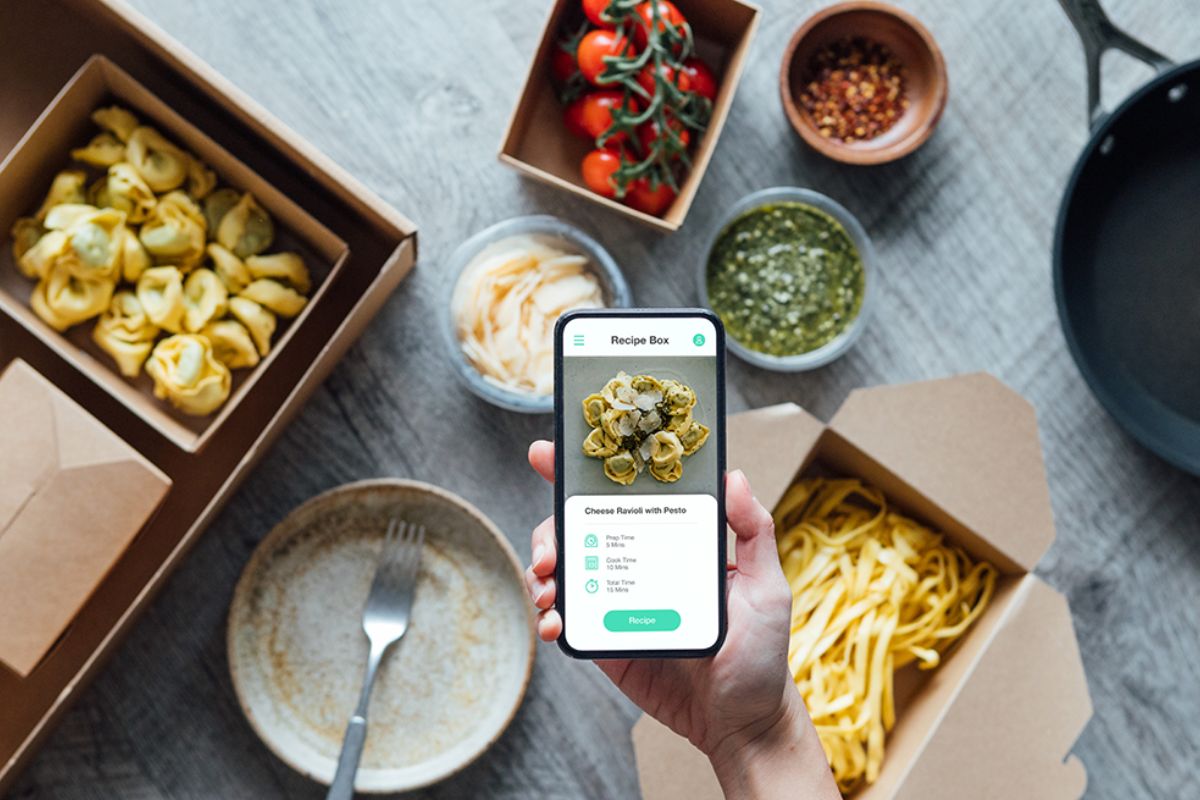
Busy professionals want healthy, ready-to-eat meals. A meal prep service solves that problem. You cook in batches and deliver weekly plans. This business works well in cities where people value convenience and are willing to pay for it.
- Offer weekly subscription meal plans.
- Focus on niches like fitness, vegan, or keto.
5. Online Tutoring or Coaching
Online learning is now part of everyday life. Parents and professionals are willing to pay for quality teaching. You can offer academic tutoring or skill-based coaching, like coding, business, or language learning.
- Teach subjects, test prep, or career skills.
- Use platforms like Zoom or dedicated learning tools.
6. Subscription Box Business
Subscription boxes are popular because they offer convenience and surprise. Customers receive curated products every month. This builds recurring revenue and strong brand loyalty if done well.
- Choose a niche like snacks, self-care, or hobbies.
- Offer flexible subscription plans.
7. AI Support Services for Businesses
Many US businesses want to use AI but do not know how. You can help set up tools, automate tasks, or create content systems. This space is growing fast and still has room for new service providers.
- Help businesses automate workflows with AI tools.
- Offer services like chatbot setup or AI content systems.
8. Eco-Friendly Products Brand
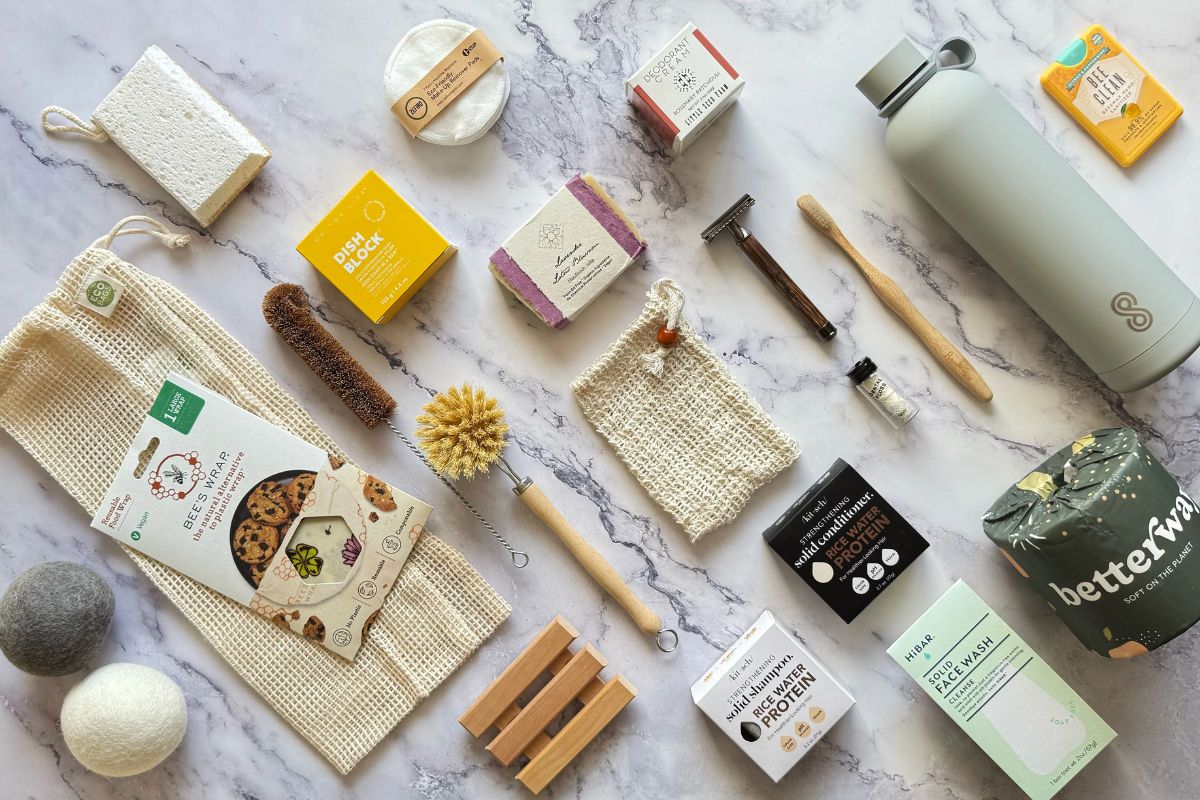
Sustainability is a strong buying factor in the US. Customers prefer brands that offer better alternatives to everyday products. You can build a business around simple, useful, eco-friendly items.
- Sell reusable, biodegradable, or low-waste products.
- Build a brand that highlights sustainability values.
READ MORE:
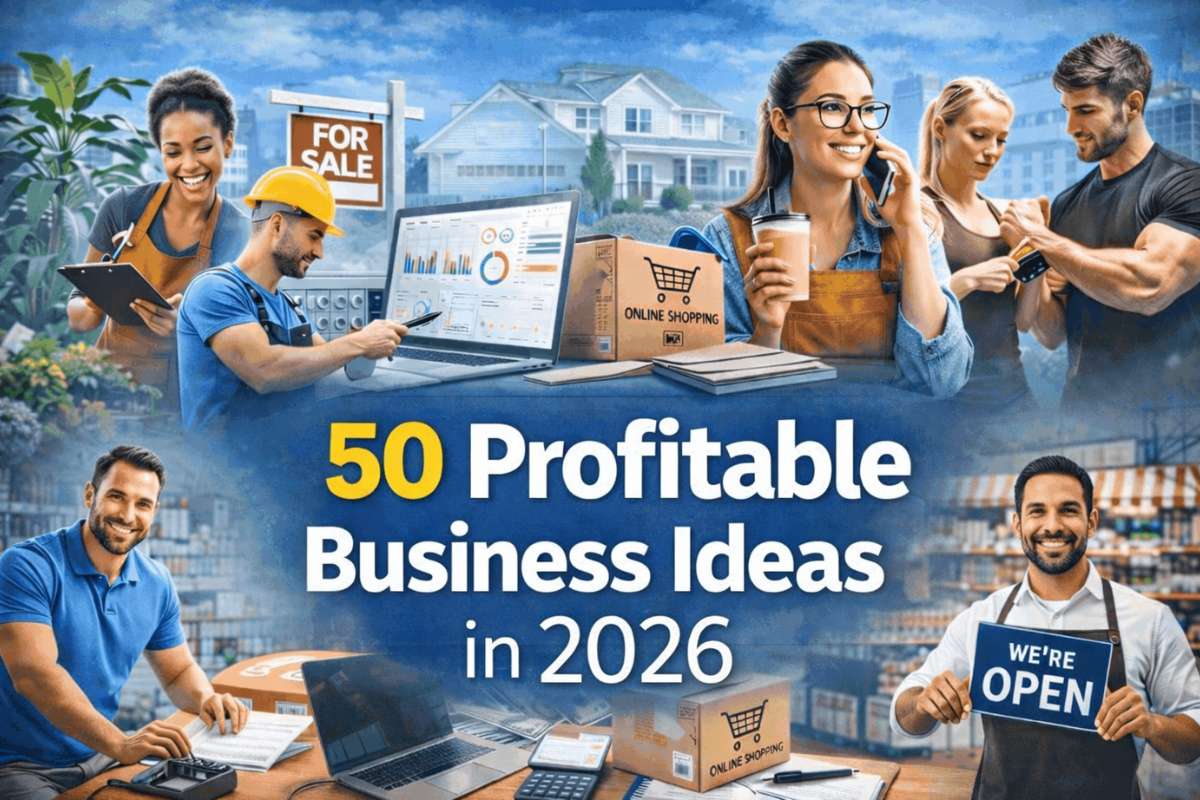
- 50 Profitable Business Ideas in 2026
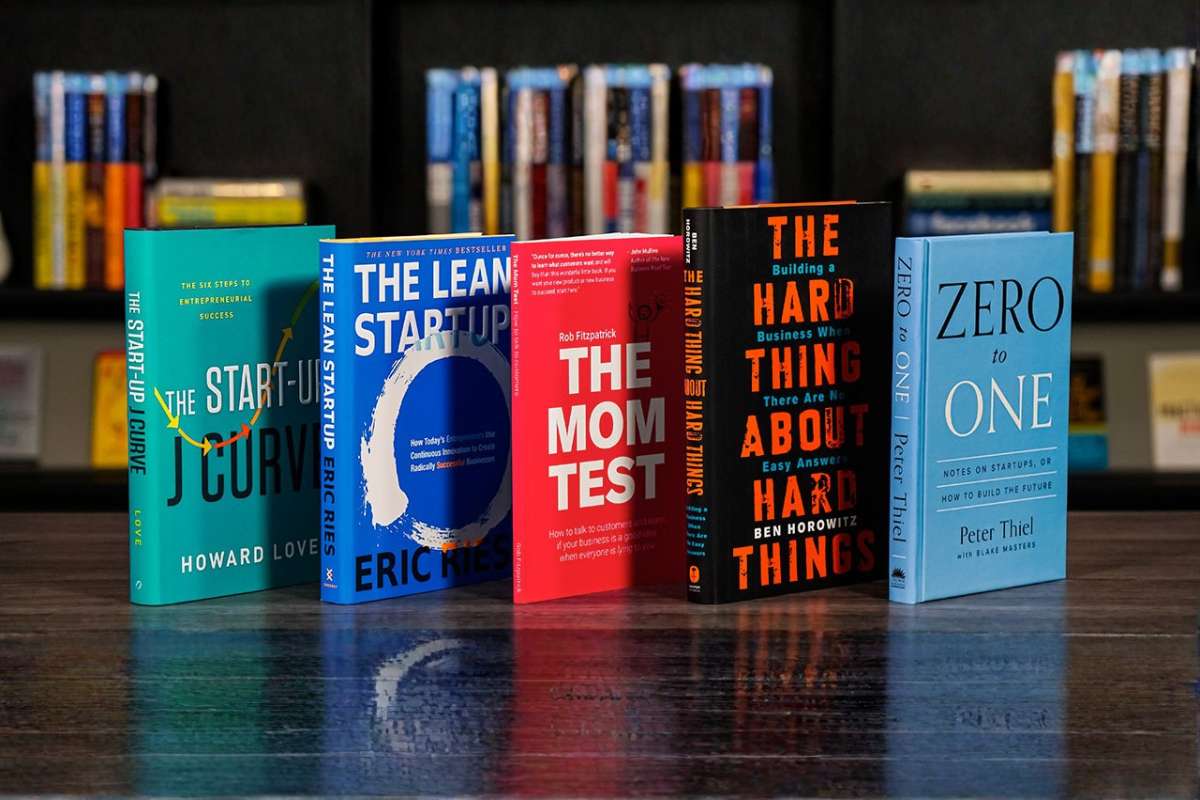
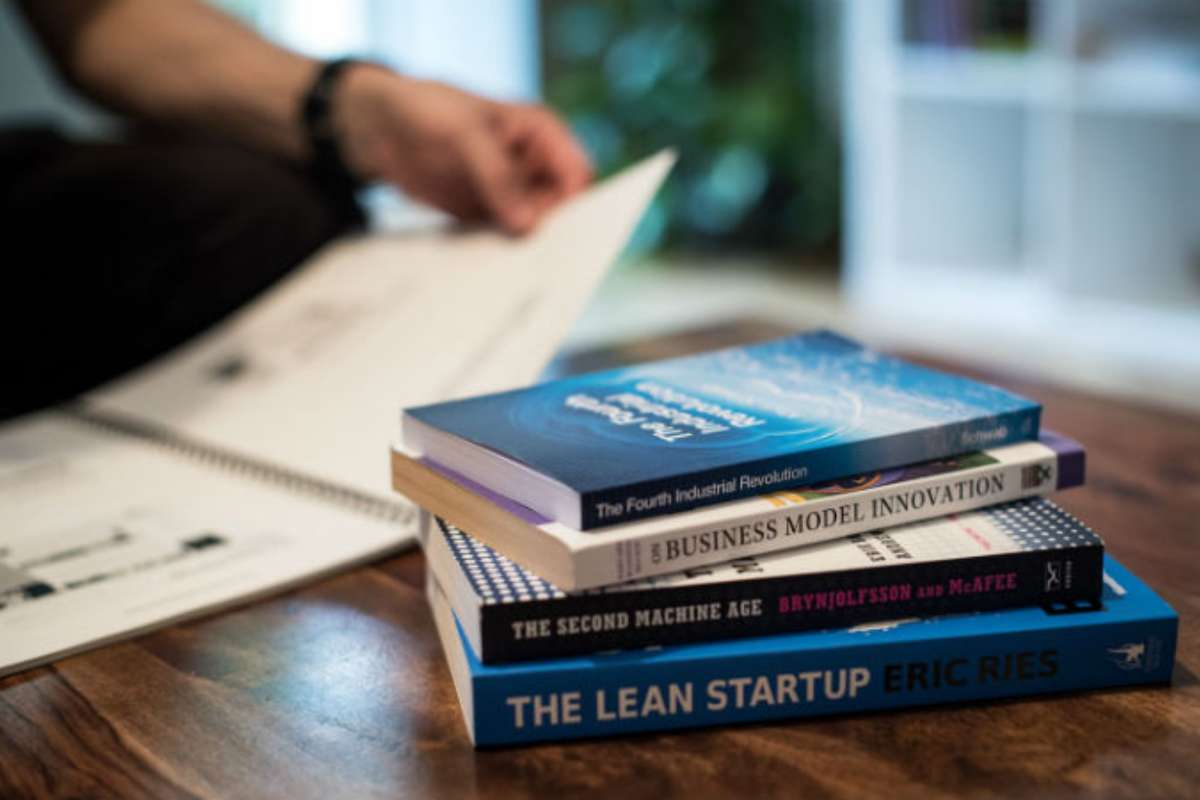
- 15 Top Books for Starting a Business Every Founder Should Read in 2026
9. Freelance Services
Freelancing is one of the fastest-growing startup business ideas to earn in the US. You can offer skills like writing, design, or video editing. Many businesses outsource work, which creates a steady demand for freelancers.
- Offer high-demand skills like copywriting or design.
- Use platforms like Upwork, Fiverr, or direct outreach.
10. Mobile Car Wash and Detailing
Convenience services do well in the US. A mobile car wash brings the service to the customer’s home or office. With low startup costs and repeat customers, this can grow into a steady local business.
- Offer on-demand or scheduled cleaning services.
- Upsell detailing packages for higher revenue
11. Personalized Gifts Business
Custom products sell well year-round in the US, especially during holidays and special events. People are willing to pay more for items that feel personal and unique. We can turn our startup business ideas into customised products and make a profit.
- Sell custom mugs, apparel, or gift boxes.
- Focus on holidays, birthdays, and corporate gifting.
12. Health and Wellness Coaching

Health and wellness are a major focus in the US. People invest in fitness, mental health, and nutrition. If you have the right skills or certifications, you can build a strong client-based business.
- Offer fitness, nutrition, or lifestyle coaching.
- Provide personalized plans and online sessions.
13. Local On-Demand Services
Think of this as small, everyday help that people can book quickly. Services like home cleaning, errands, or handyman work are always in demand. You can start solo and grow into a local service network.
- Offer services like cleaning, moving help, or errands.
- Use simple booking systems to manage requests.
14. Virtual Assistant Business
Many entrepreneurs and small teams need help with admin tasks. A virtual assistant handles work like email, scheduling, and research remotely. This business is flexible and can scale with more clients.
- Manage admin tasks for busy professionals.
- Work remotely with clients across the US.
15. Same-Day Delivery Service
Fast delivery is now expected, not optional. While big players dominate, there is still room for local delivery services. You can collaborate on these startup business ideas and offer a faster, more personal delivery service.
- Deliver groceries, retail items, or local goods.
- Partner with small stores that need delivery support
Choose the Right Idea for You
Picking startup business ideas gets easier when you compare your options side by side. This table helps you match your budget, time, and skill level so you can make a clear decision.
| Sr. No. | Idea | Startup Cost (USD) | Time to Start | Skill Level | Best For |
| 1 | Niche E-commerce | $500–$3,000 | 1–3 weeks | Medium | People who want an online brand |
| 2 | Cloud Kitchen | $2,000–$10,000 | 2–4 weeks | Medium | Food-focused founders |
| 3 | Digital Marketing | $0–$500 | 1–2 weeks | Medium to High | Skill-based freelancers |
| 4 | Meal Prep Service | $1,000–$5,000 | 1–3 weeks | Medium | Local, repeat customers |
| 5 | Online Tutoring | $0–$200 | 1 week | Medium | Teachers or subject experts |
| 6 | Subscription Box | $1,000–$4,000 | 2–4 weeks | Medium | Brand builders |
| 7 | AI Services | $0–$500 | 1–2 weeks | Medium | Tech-savvy beginners |
| 8 | Eco Products Store | $500–$3,000 | 2–4 weeks | Medium | Niche product sellers |
| 9 | Freelancing | $0 | 1 week | Low to Medium | Fast starters |
| 10 | Mobile Car Wash | $500–$2,000 | 1–2 weeks | Low | Local service providers |
| 11 | Personalized Gifts | $500–$2,500 | 2–3 weeks | Low to Medium | Creative sellers |
| 12 | Wellness Coaching | $0–$1,000 | 1–3 weeks | Medium | Health-focused people |
| 13 | Local Services | $500–$3,000 | 2–4 weeks | Medium | Community-based work |
| 14 | Virtual Assistant | $0 | 1 week | Low | Remote workers |
| 15 | Delivery Service | $1,000–$5,000 | 2–4 weeks | Medium | Logistics-focused founders |
How to Use This Table
Do not overthink it.
- Low budget? → Start with freelancing, tutoring, or virtual assistant work
- Want to scale? → Try e-commerce or subscription boxes
- Prefer offline work? → Go for a car wash, meal prep, or local services
Pick something you can start now. That matters more than picking the “perfect” idea.
Mistakes to Avoid
Keep it simple. Most people fail not because the idea is bad, but because they overcomplicate things early. The goal is to start, not to build everything at once, even when working on startup business ideas.
Avoid:
- Starting too big without testing your idea
- Ignoring what customers actually want or need
- Spending too much money before you see results
Many new founders try to perfect everything before launching. That slows you down and increases risk. Instead, focus on getting your first few customers and learning from them.
Start small. Test what works. Improve as you go.
Simple businesses grow faster because they adapt quickly and waste less time and money.
READ MORE:
- Top 12 Entrepreneurship Books Every Future Founder Should Know in 2026
- 12 Types of Business Every New Entrepreneur Should Know Before Starting
Final Thoughts
There is no perfect idea. There is only a good start.
Most successful businesses do not begin with something new. They begin with something useful. The best startup business ideas in 2026 focus on solving real, everyday problems. They are simple to understand and easy to improve over time.
You do not need the perfect plan, a big budget, or the right timing. What matters is taking action and learning as you go. Small steps, taken consistently, lead to real progress.
Many people wait too long trying to get everything right. That usually leads to nothing happening at all.
Start with what you have. Build slowly. Adjust when needed.
That is how real businesses are built.