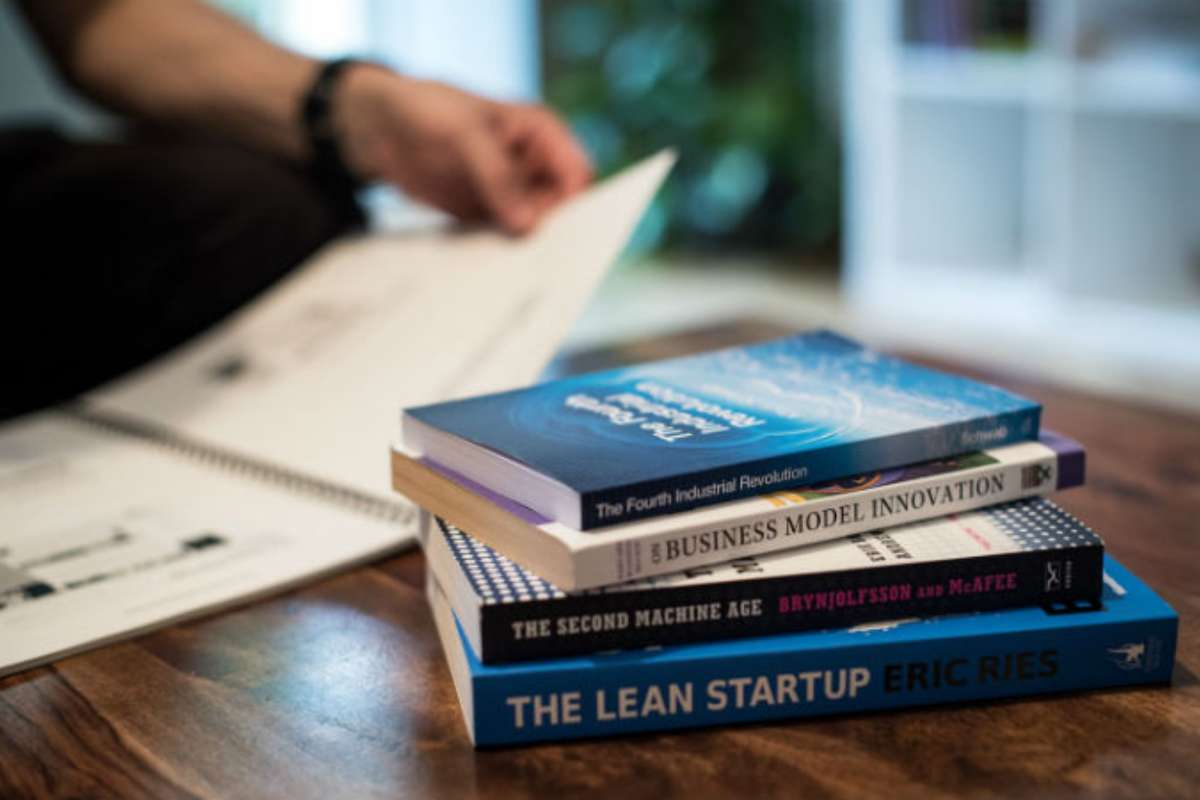
Starting a business is exciting, but it is also full of unknowns. Many founders learn through trial and error. Reading entrepreneurship books can shorten that learning curve. These books share lessons from founders, investors, and business thinkers who have already built successful companies.
The titles below remain widely recommended in startup communities because they explain core ideas like innovation, leadership, product development, and company growth. Many guides for founders still highlight books like The Lean Startup, Zero to One, and Start With Why because they provide practical frameworks for building businesses that solve real problems.
We curated this list based on relevance in 2026, real founder recommendations, and the practical lessons each book offers. The ranking reflects how useful the ideas are for entrepreneurs starting or growing a business today.
This list focuses on entrepreneurship books that remain relevant in 2026, with each title offering clear lessons founders can apply today.
12 Entrepreneurship Books Every Founder Should Read in 2026
1. The Lean Startup — Eric Ries
The Lean Startup is one of the most influential entrepreneurship books for modern startups. It introduced the idea that businesses should test ideas quickly instead of spending years building products that may fail.
The book explains how startups can use continuous learning and experimentation to improve products and reduce risk. The goal is to learn what customers truly want before investing large resources.
Key ideas from the book
- Build a Minimum Viable Product (MVP) to test ideas early
- Use real customer feedback to guide product decisions
- Measure results through data and experiments
- Pivot quickly if the original idea does not work
This approach is widely used in startups today because it reduces wasted time and helps companies adapt faster.
2. Zero to One — Peter Thiel
Zero to One focuses on building businesses that create something truly new. Peter Thiel argues that the most successful companies do not copy competitors. Instead, they build products that move the world forward.
The book explores how innovation creates long-term competitive advantage.
Key lessons
- The best startups solve problems others ignore
- Strong companies build unique markets, not crowded ones
- Monopoly-like advantages often come from innovation
- Founders should think differently from the crowd
Among modern entrepreneurship books, this one encourages founders to focus on breakthrough ideas rather than small improvements.
3. The Hard Thing About Hard Things — Ben Horowitz
Many business books talk about strategy and growth. This book focuses on the difficult moments of running a company.
Ben Horowitz, a Silicon Valley entrepreneur and investor, shares honest stories about managing companies during crises, layoffs, and market changes.
What does the book teach?
- How leaders make decisions during uncertainty
- Why managing people is one of the hardest parts of business
- How to handle layoffs, restructuring, and setbacks
- The importance of resilience during tough periods
This is one of the most realistic entrepreneurship books because it explains challenges most founders eventually face.
4. Shoe Dog — Phil Knight

Shoe Dog tells the story of how Nike was built. Phil Knight started by selling running shoes from the trunk of his car before turning the brand into a global company.
The book shows that even successful companies began with uncertainty and risk.
Key insights
- Early startups often face financial struggles
- Building the right team is critical
- Persistence is necessary during difficult years
- Brand identity can shape long-term growth
Unlike many business guides, this is a narrative memoir that reveals the emotional journey of entrepreneurship.
5. The $100 Startup — Chris Guillebeau
Many people assume businesses require large investments. This book challenges that idea.
The $100 Startup shows how entrepreneurs have built profitable businesses with minimal capital by focusing on skills, creativity, and customer needs.
Core lessons
- Start with a skill or knowledge you already have
- Solve a specific problem people will pay for
- Launch quickly instead of waiting for perfection
- Focus on value before scale
For beginners, this is one of the most accessible entrepreneurship books because it shows how small ideas can turn into real businesses.
6. Start With Why — Simon Sinek
This book explains why purpose matters in business. Simon Sinek argues that great companies inspire customers by clearly explaining why they exist, not just what they sell.
The book introduces the “Golden Circle” concept: Why → How → What.
Important ideas
- People connect with mission and values
- A strong purpose builds loyal customers
- Clear vision helps teams stay motivated
- Great leaders communicate belief, not just strategy
Many founders use these ideas to shape branding and company culture.
READ MORE:
- 12 Types of Business Every New Entrepreneur Should Know Before Starting
- 15 Famous Entrepreneurs in the World and How They Built Their Success
7. Rework — Jason Fried & David Heinemeier Hansson
Rework challenges traditional business advice. Instead of long plans and complicated strategies, the authors recommend simple and practical approaches to building companies.
The book focuses on efficiency and clarity.
Major takeaways
- Start building instead of over-planning
- Keep teams small and focused
- Avoid unnecessary meetings
- Launch quickly and improve over time
This perspective makes Rework one of the most unconventional yet practical entrepreneurship books.
8. Atomic Habits — James Clear
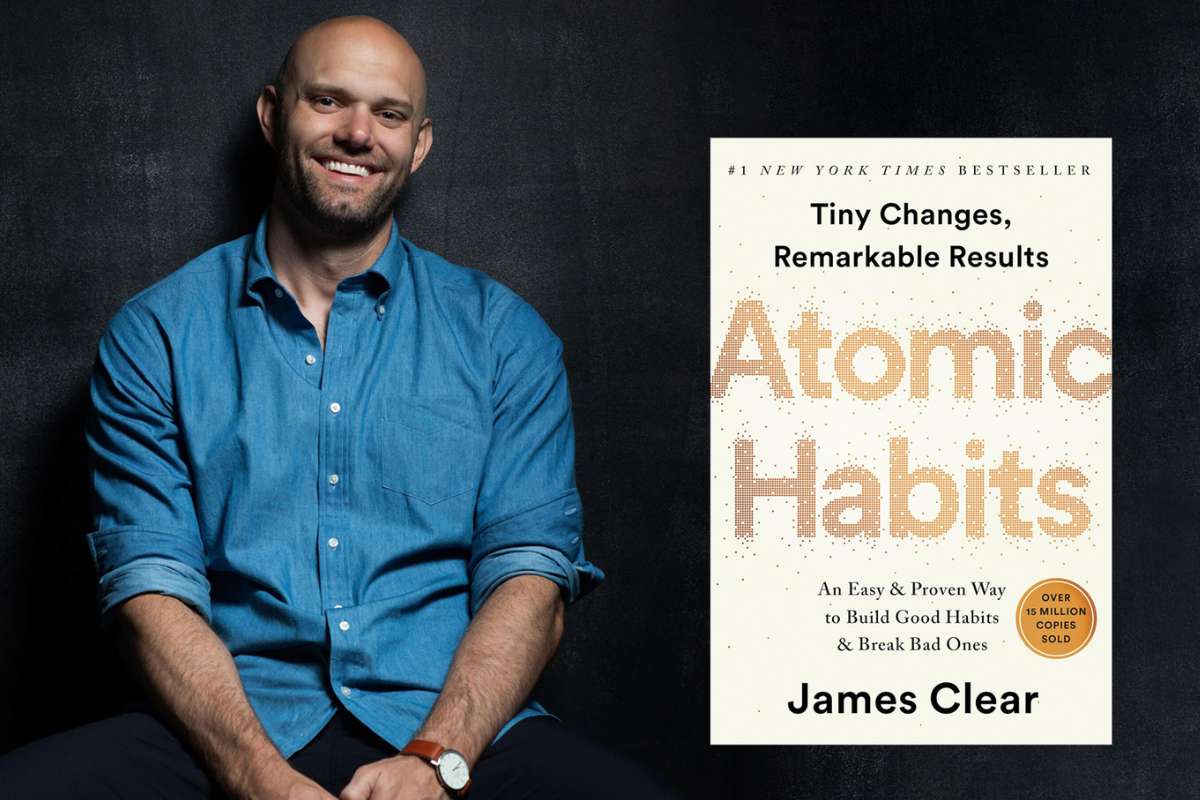
Although not strictly a startup guide, Atomic Habits is widely recommended for entrepreneurs because it focuses on personal discipline.
The book explains how small daily habits can lead to large long-term results.
Practical lessons
- Tiny improvements compound over time
- Systems matter more than motivation
- Consistent routines improve productivity
- Habit design can support business goals
Entrepreneurs often use these ideas to build better routines for leadership and decision-making.
9. The 4-Hour Workweek — Tim Ferriss
The 4-Hour Workweek popularized the idea of lifestyle design in entrepreneurship. The book shows how founders can create businesses that generate income while giving them more freedom.
Ferriss explains strategies for automation, outsourcing, and digital businesses.
Main concepts
- Eliminate unnecessary work through automation
- Outsource repetitive tasks
- Build online businesses that scale globally
- Focus on results rather than long work hours
The book influenced many digital entrepreneurs and remote business models.
10. Build the Damn Thing — Kathryn Finney
This book focuses on practical guidance for launching a company, especially for founders who lack traditional access to funding or networks.
Kathryn Finney explains how entrepreneurs can navigate the startup ecosystem and turn ideas into real ventures.
Topics covered
- Writing a strong business plan
- Building a team and company structure
- Finding investors and funding
- Scaling a startup responsibly
The book highlights how determination and resourcefulness can help founders succeed.
11. Competing in the Age of AI — Marco Iansiti & Karim R. Lakhani
Modern businesses increasingly rely on data and artificial intelligence. This book explains how AI is changing competition and business strategy.
The authors show how digital systems allow companies to grow faster and operate more efficiently.
Key ideas
- AI systems enable faster decision-making
- Data networks help companies scale rapidly
- Digital platforms reshape industry competition
- Businesses must adapt to technology-driven markets
For entrepreneurs building startups in the technology era, this is one of the most relevant Entrepreneurship Books today.
12. The Diary of a CEO — Steven Bartlett
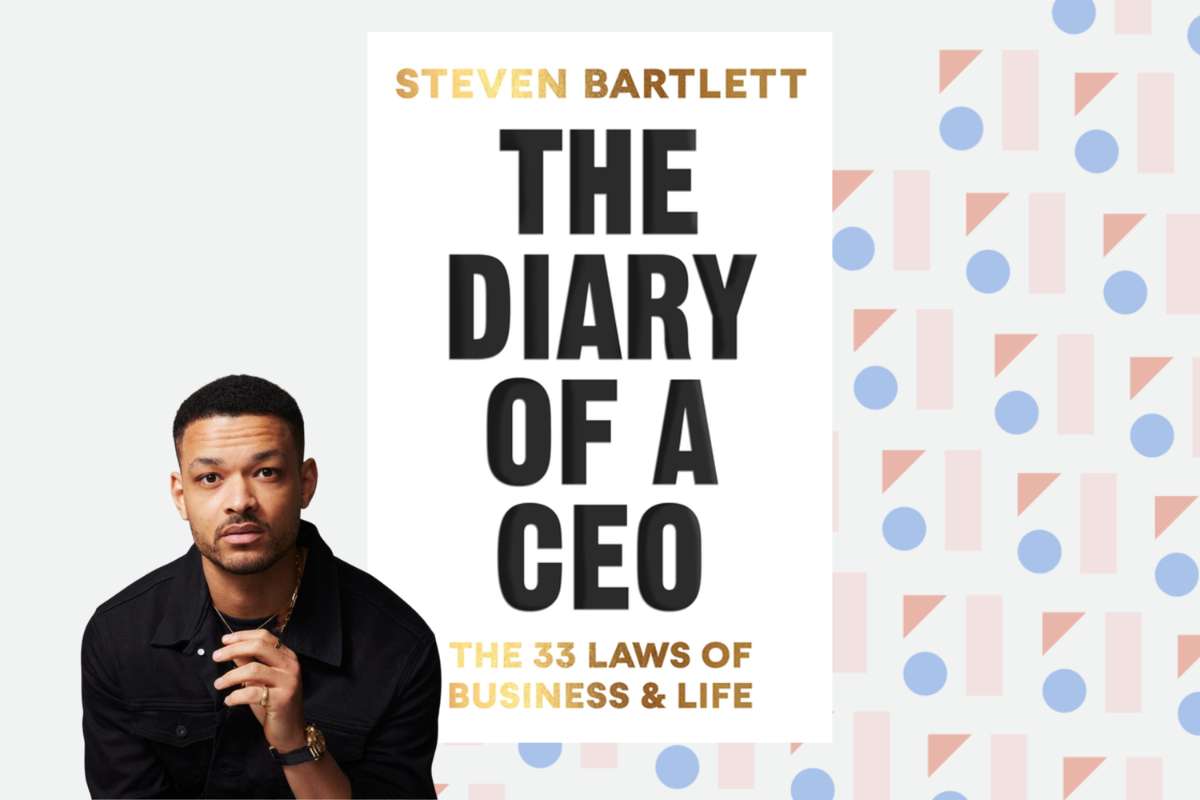
This modern entrepreneurship book focuses on mindset, leadership psychology, and personal growth.
Steven Bartlett shares lessons from building companies, investing, and interviewing successful founders on his podcast.
Important themes
- Self-awareness improves leadership
- Emotional intelligence matters in business
- Long-term thinking leads to stronger companies
- Personal growth and business growth are connected
This book appeals especially to younger founders who want both professional and personal development.
Quick Comparison of These Entrepreneurship Books
| Book | Main Focus | Best For |
| The Lean Startup | Experimentation & product development | Early startups |
| Zero to One | Innovation strategy | Tech founders |
| The Hard Thing About Hard Things | Leadership during crises | Startup CEOs |
| Shoe Dog | Founder journey | Inspiration |
| The $100 Startup | Low-cost businesses | Beginners |
| Start With Why | Mission & branding | Company culture |
| Rework | Simple business methods | Small teams |
| Atomic Habits | Personal discipline | Productivity |
| The 4-Hour Workweek | Lifestyle design | Online entrepreneurs |
| Build the Damn Thing | Startup guidance | New founders |
| Competing in the Age of AI | Technology strategy | Modern startups |
| The Diary of a CEO | Mindset & leadership | Personal growth |
Final Thoughts
Entrepreneurship involves constant learning. Markets change, technology evolves, and new competitors appear every year. Reading books about entrepreneurship helps founders learn from the experiences of others instead of repeating the same mistakes.
The books in this list cover different aspects of business: innovation, leadership, product design, habits, and strategy. Together, they provide a strong knowledge base for anyone planning to start or grow a company.
If you are building a startup in 2026, reading a few entrepreneurship books from this list can help you think more clearly, avoid common mistakes, and make better decisions as your business grows.