Look around you, the world is already full of screens, apps, and digital tools that guide how we work, shop, and learn. But a new shift is happening. Instead of pulling us away from the real world, technology is starting to blend directly into it.
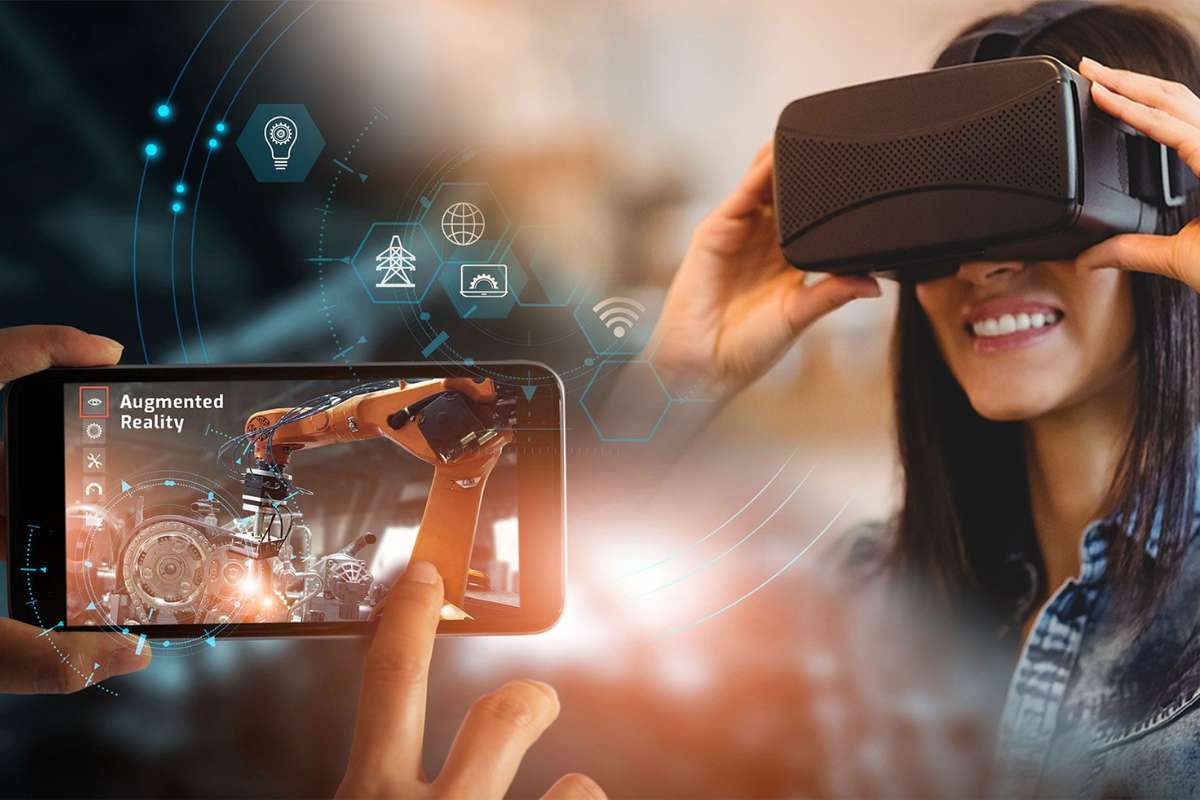
That is where Augmented Reality(AR) comes in. It places digital images, information, or objects on top of the real environment through a phone, tablet, or smart glasses. You still see the world around you, but useful details appear right where you need them.
You may have already used it without thinking much about it. Face filters on social media, games that place characters on your street, or apps that show how a sofa would look in your living room all rely on the same idea.
As devices get smarter and faster, AR is moving far beyond fun filters and games. It is now used in classrooms, hospitals, factories, and retail stores. This guide explains how the technology works, where it appears in everyday life, and why it is becoming part of how people interact with digital information.
What Is Augmented Reality?
Imagine pointing your phone at your living room and seeing a new sofa appear on the screen before you buy it. Or opening your camera and watching digital glasses fit perfectly on your face. Moments like these show how AR works in everyday life.
In simple terms, it is a technology that adds digital elements to the real world through devices such as smartphones, tablets, or smart glasses. Instead of replacing what you see, it enhances it by placing images, animations, text, or sounds on top of the real environment.
The idea behind it is easy to understand. You still see your surroundings through the device camera, but extra digital objects appear in the scene. These objects are not static. They move, adjust, and stay in place as you move your device, which makes them feel like part of the real space.
Many of the earliest experiences people had with this technology came from simple things like social media filters or mobile games. But the same concept is now used for shopping tools, navigation features, and learning apps that bring information directly into view.
It is also important to understand how this differs from virtual reality. Virtual reality places users inside a completely digital world that blocks out the real environment. Augmented Reality, on the other hand, keeps the real world visible and adds useful digital layers on top of it. This is what makes the experience feel more natural and practical for daily use.
How does Augmented Reality Work?
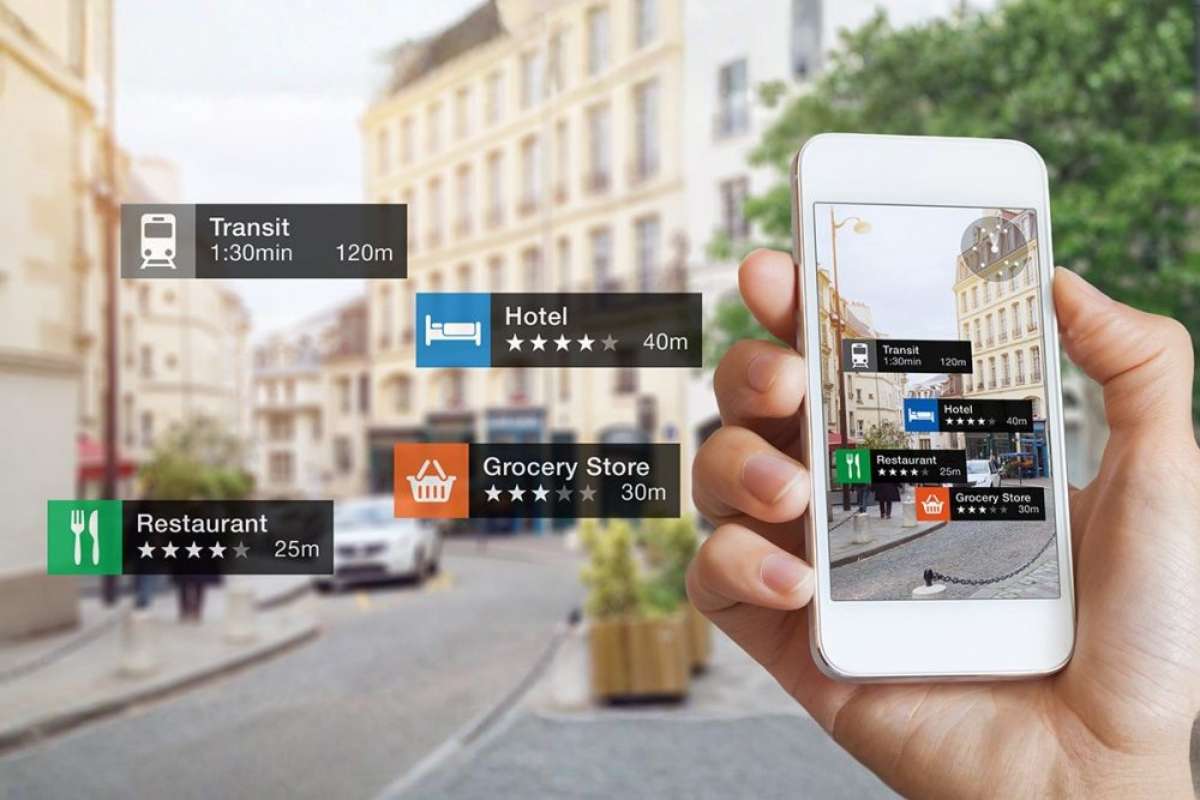
To understand how it works, it helps to look at the basic steps behind it. Most systems rely on a mix of software and hardware.
- Camera and sensors: The device’s camera scans the real environment. Sensors track movement, location, and depth.
- Environment detection: Software analyzes the scene. It identifies surfaces, objects, and distances.
- Digital overlay: The system places digital elements on the screen. These might be graphics, text, or 3D objects.
- Real-time interaction: As the user moves, the digital object moves as well. This keeps the experience realistic. This process happens very quickly, which is why AR feels natural when you use it.
Everyday Examples of Augmented Reality
For many people, the first time they experienced AR was through games or social media. What once felt like a fun digital trick has now become part of many common apps. Today, the technology quietly supports the tools people use for entertainment, navigation, shopping, and communication.
Here are some everyday situations where it appears.
Social media filters
Face filters on apps like Snapchat and Instagram are one of the most familiar uses. These filters track facial features and place digital elements such as masks, makeup, or animated effects on a person’s face. The overlays move naturally as the person moves, which makes the experience feel playful and realistic.
Navigation apps
Some navigation tools now include camera-based directions. When you point your phone at the street, arrows and labels appear on the screen to guide you. Instead of reading a map, users can follow directions that appear directly on the road in front of them.
Gaming
Mobile gaming helped introduce Augmented Reality to millions of users. Games like Pokémon Go became popular because they placed virtual characters in real locations. Players could explore parks, streets, and neighborhoods while interacting with digital creatures that appeared through their phone cameras.
Shopping tools
Online shopping has also started using the technology to help people make decisions. Many retail apps let customers place virtual furniture inside their homes or preview products before buying them. This makes it easier to imagine how an item will look or fit in real life.
These examples show how digital layers can make everyday apps more interactive and helpful. As devices improve, experiences powered by AR are likely to become even more common in daily life.
Industries Using Augmented Reality
Entertainment helped bring this technology into the spotlight, but its uses now go far beyond games and filters. Today, AR is being used across several industries to improve training, decision-making, and customer experiences.
Healthcare
Doctors and surgeons can use AR to view medical data or imaging during procedures. Digital overlays can help them visualize organs, blood vessels, or tumors more clearly when planning or performing surgery.
Education
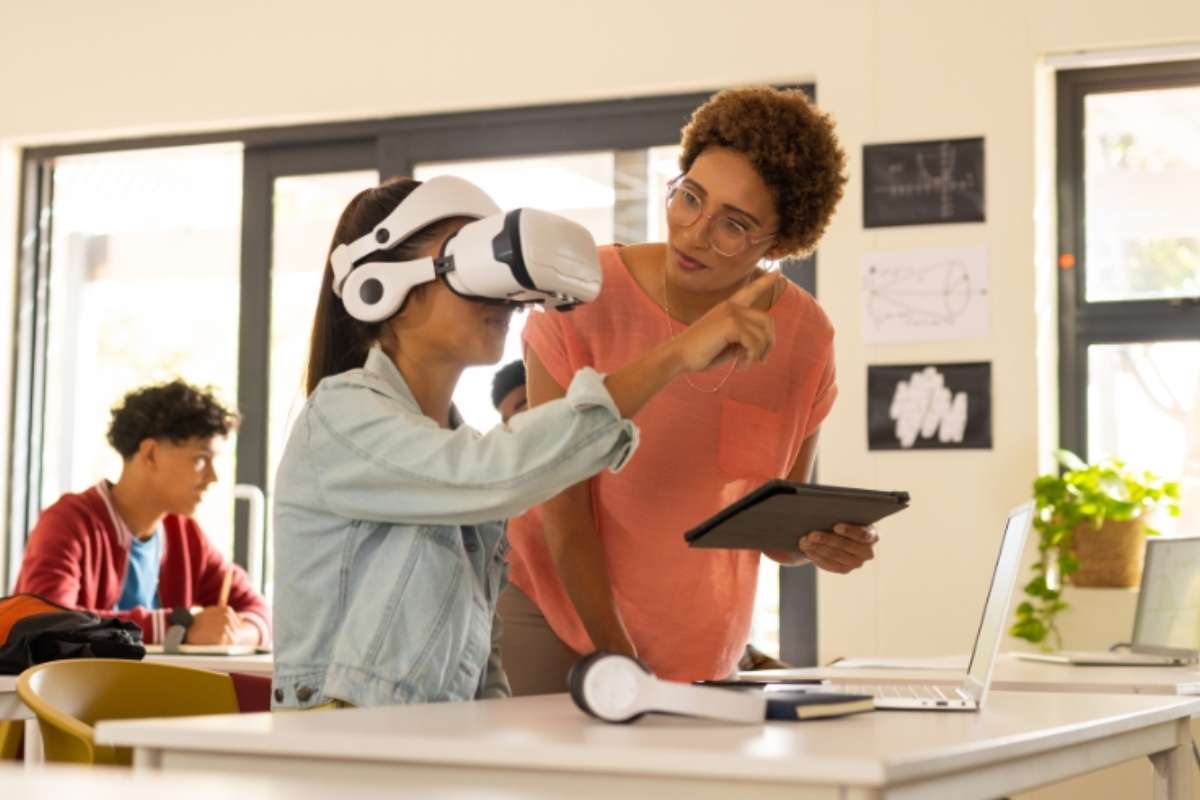
In classrooms, the technology can turn lessons into interactive experiences. Students can explore 3D models of planets, human anatomy, or historical artifacts, which makes complex topics easier to understand.
Manufacturing
Factories are also beginning to adopt AR tools. Workers can see step by step instructions placed directly over machines or equipment. This can make assembly, repair, and maintenance tasks faster and easier to follow.
Retail
Retail companies use the technology to help customers preview products before buying them. For example, some furniture brands allow shoppers to place virtual sofas or tables in their living rooms using a phone camera.
These examples show how AR has moved beyond entertainment and into practical use across many professional fields.
Augmented Reality vs Virtual Reality
Many people mix up AR and VR(virtual reality) because both use immersive technology. However, they work in very different ways. One builds on the real world, while the other replaces it with a completely digital space.
| Feature | Augmented Reality | Virtual Reality |
| Environment | Adds digital elements to the real world | Creates a fully digital environment |
| Device | Smartphones, tablets, AR glasses | Dedicated VR headsets |
| User awareness | Users can still see and interact with their surroundings | The real world is blocked out |
| Interaction style | Digital objects appear within the real environment | Users move and interact inside a virtual space |
| Common uses | Social media filters, navigation, retail previews, and education | Gaming, simulations, virtual training |
| Example | Snapchat face filters or furniture preview apps | VR gaming worlds or flight simulators |
The key difference is simple. AR enhances the real world by adding digital layers, while virtual reality replaces the real environment with a completely simulated one.
The growth of Augmented Reality is expected to continue as devices become faster, smaller, and more powerful. What started with simple phone apps is slowly moving toward tools that people may use every day.
Several trends may shape how this technology develops in the coming years.
- AR glasses: New smart glasses may display digital information directly in front of your eyes. Instead of looking at a phone screen, people could see directions, messages, or alerts while walking or working.
- Smarter navigation: Navigation apps may become more visual. Arrows, street names, and directions could appear directly on the road through a phone camera.
- Better shopping experiences: More online stores are adding features that let customers preview products at home. This helps people see how furniture, clothes, or decorations might look before buying them.
- Interactive learning: Schools and training programs may use more visual learning tools. Students could explore planets, machines, or human anatomy through interactive models.
Many experts believe AR may become part of everyday computing, much like smartphones today. As the technology improves, the gap between digital and physical experiences may become smaller, making information easier to see and use in the real world.
Challenges of Augmented Reality
Even though AR has many benefits, it still comes with a few challenges. Some of these issues slow down how quickly the technology spreads.
- Limited devices: Not everyone has a phone or device that can run AR apps well. Some experiences also need special devices like AR glasses, which are still expensive.
- Privacy concerns: AR apps use cameras to scan the world around you. Because of this, people sometimes worry about how images, locations, or personal data might be used.
- High development cost: Building good AR apps takes skilled developers and detailed 3D design. This can make the cost high for some companies.
- Battery use: AR apps can drain a phone’s battery faster. The device has to run the camera, sensors, and graphics at the same time.
- Learning how to use it: Some people are still new to AR tools. If the apps are not simple to use, users may stop using them.
As devices improve and software gets better, many of these problems will likely become smaller.
Conclusion
Augmented Reality is changing how people interact with technology and with the world around them. Adding digital layers to real environments, it creates new ways to learn, shop, play, and work.
What started with simple filters and mobile games is now spreading across industries such as healthcare, education, manufacturing, and retail.
As devices become more advanced, they will likely become a normal part of daily life. Instead of looking at screens, people may see useful digital information directly in the world around them.