
Enterprise technology has spent decades focused on speed, scale, and efficiency. Most systems were built to respond to instructions, follow workflows, and wait for human approval at every step. That approach worked when business cycles moved more slowly. Today, decisions are expected in seconds, not meetings. This shift has pushed leaders to rethink how work actually gets done, and that is where agentic AI in enterprise begins to stand apart from earlier tools.
Unlike traditional automation, agentic systems do not wait to be told what to do next. They observe conditions, choose actions, and follow through until a goal is met. This shift changes how companies think about responsibility, trust, and control. For many organizations, agentic AI in enterprise is no longer an experiment but a practical response to growing operational pressure and limited human bandwidth.
As adoption grows, questions around safety, oversight, and value creation become unavoidable. Leaders are no longer asking whether these systems work. They are asking how to deploy them without breaking trust or stability.
In this article, you will explore how agentic systems function, where enterprises use them today, the risks involved, and what responsible adoption looks like in the years ahead.
What Makes Agentic Systems Different From Traditional Automation
Earlier enterprise systems followed fixed logic. If a condition was met, an action happened. If it were not, the system would stop. Even advanced machine learning tools stayed within narrow boundaries. They predicted outcomes but still relied on people to decide the next step.
Agentic systems work differently. They are built to pursue objectives rather than execute scripts. Once given a goal, they plan tasks, check progress, adapt when conditions change, and decide when the work is complete. This makes agentic AI in the enterprise closer to a digital worker than a background tool.
Another key difference lies in memory and context. These systems track past actions, results, and constraints. That memory allows them to avoid repeating mistakes and improve outcomes over time. This capability turns decision-making into a continuous process rather than a one-time event.
Why Enterprises Are Moving Toward Agentic Models
The push toward autonomy is not driven by novelty. It comes from pressure. Enterprises operate across time zones, platforms, and markets that change daily. Human teams cannot review every alert, approve every action, or monitor every process without delays.
Agentic systems reduce that burden by handling decisions that once required constant supervision. In large organizations, agentic AI in enterprise is often introduced to manage routine but high-volume tasks that slow teams down. These include system health checks, access requests, procurement approvals, and service routing.
Another driver is consistency. Humans vary in judgment based on time, stress, and experience. Autonomous systems apply the same standards every time. This does not remove people from oversight, but it shifts their role toward strategy and exception handling.
Core Capabilities That Define Agentic AI
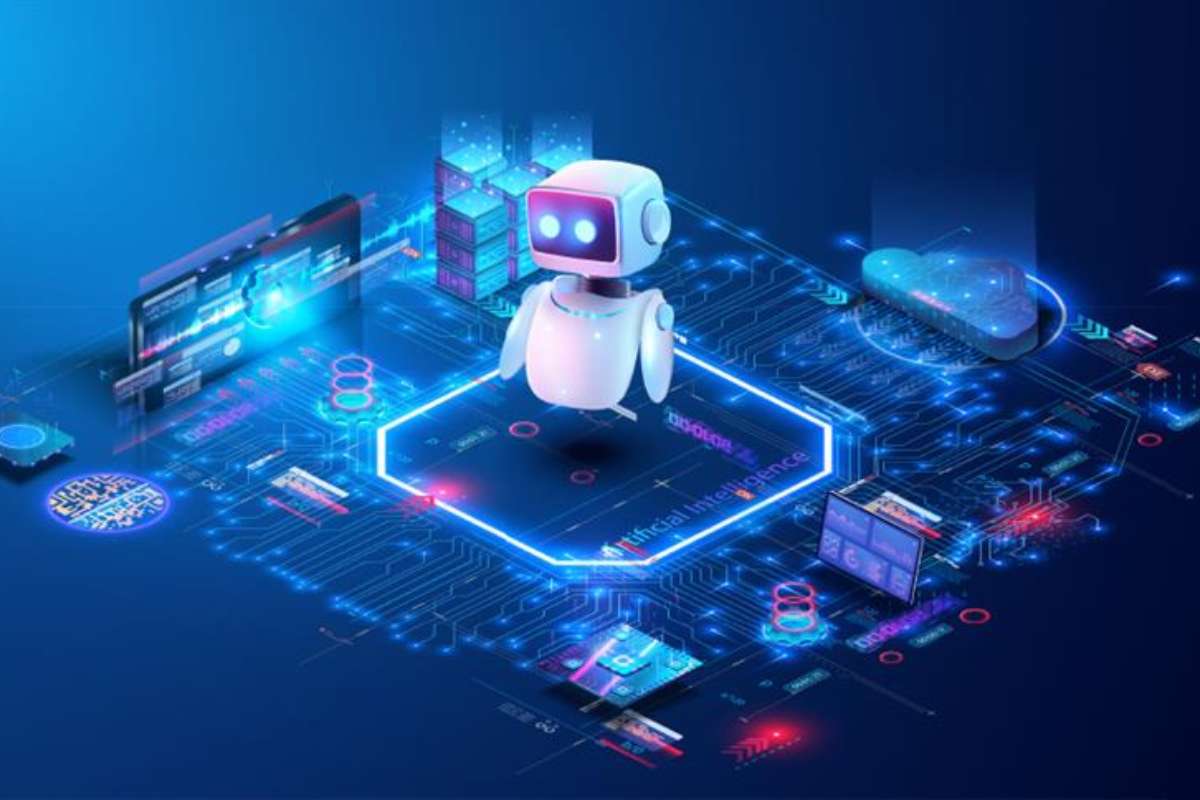
At the heart of agentic systems are four core capabilities.
→ First is goal awareness. The system understands what outcome it is working toward rather than reacting to isolated inputs.
→ Second is planning. It breaks goals into steps, orders them logically, and adjusts when dependencies change.
→ Third is execution. The system takes action across tools, platforms, and data sources without waiting for prompts.
→ Fourth is reflection. It evaluates results, learns from failure, and updates its approach.
Together, these capabilities allow agentic AI in enterprise to operate with a level of independence that older systems could not achieve.
Real Enterprise Use Cases Gaining Momentum
One of the most common areas of adoption is IT operations. Autonomous systems now detect incidents, identify root causes, apply fixes, and verify outcomes without human escalation. This reduces downtime and frees engineers from constant firefighting.
In customer support, agentic systems resolve tickets end-to-end. They gather information, select the appropriate solution, implement changes, and confirm the resolution. This moves beyond chat assistance into full task ownership.
Supply chain teams use agentic AI in enterprise to monitor demand signals, adjust inventory decisions, and coordinate suppliers. These systems respond faster than manual planning cycles, especially during disruptions.
Finance departments also rely on agentic tools for reconciliation, fraud checks, and compliance monitoring. Instead of flagging issues for review, the system investigates and acts within defined limits.
Human Oversight Still Matters

Autonomy does not mean absence of control. Enterprises that deploy agentic systems successfully set clear boundaries. These include permission levels, escalation rules, and audit trails.
Humans define objectives, approve guardrails, and review outcomes. The system handles execution within those limits. This balance is critical. Without it, agentic AI in enterprise can create risk rather than value.
Trust grows when decisions are explainable. Modern systems log reasoning paths and actions, allowing teams to trace why a decision was made. This transparency is essential for regulated industries and internal accountability.
Safety, Security, and Risk Considerations
As systems become more autonomous, the impact of failure increases. A flawed decision can quickly propagate across systems. This is why safety frameworks are now central to agentic deployment.
Enterprises focus on three main risk areas. The first is unintended actions. Guardrails prevent systems from operating outside approved scopes. The second is data exposure. Strong access controls limit what information an agent can use. The third is goal misalignment. Clear objectives prevent systems from optimizing the wrong outcome.
In regulated sectors, agentic AI in enterprise must also comply with audit requirements. Logs, approvals, and rollback options are built into deployment plans from day one.
Building Agentic Systems the Right Way

Successful adoption starts small. Enterprises begin with limited use cases where outcomes are measurable and risk is low. As confidence grows, autonomy expands.
Strong integration is another requirement. Agentic systems rely on access to tools, data, and workflows. Fragmented environments reduce effectiveness and increase error rates.
Training teams is equally important. Employees must understand how these systems work, when to intervene, and how to refine objectives. Without this knowledge, autonomy becomes a black box.
How Agentic AI Changes Enterprise Roles
As adoption increases, job roles shift. People spend less time on approvals and more time on judgment. Operations teams focus on setting priorities rather than executing tasks.
This does not eliminate jobs. It changes them. Agentic AI in enterprise acts as a force multiplier, allowing smaller teams to manage larger systems.
Leadership roles also evolve. Decision-makers focus on defining goals, values, and constraints rather than managing execution details. This shift requires cultural change as much as technical readiness.
Measuring Value Beyond Cost Savings
Early automation focused on reducing headcount or processing time. Agentic systems deliver broader value. They reduce errors, improve response speed, and increase consistency.
They also surface insights. By tracking actions and outcomes, agentic AI in enterprise reveals patterns that humans often miss. These insights guide better strategy and resource allocation.
Value measurement should include resilience, quality, and employee focus, not just savings.
What the Next Few Years Look Like
By 2026 and beyond, agentic systems will move from isolated functions to coordinated networks. Multiple agents will work together across departments, sharing context and aligning goals.
Standards will mature. Governance frameworks will become common across industries. Buyers will expect safety features as a baseline, not an add-on.
Most importantly, enterprises will stop viewing autonomy as a risk and start seeing it as a responsibility. Agentic AI in enterprise will be judged not by how much it replaces humans, but by how well it supports better decisions.
Conclusion
Agentic systems represent a shift in how work gets done. They move enterprises from reaction to intention. Success depends on clarity, trust, and discipline.
Organizations that invest in structure and oversight will unlock real value. Those who rush adoption without guardrails will face setbacks.
Agentic AI is not about giving up control. It is about choosing where control matters most and letting systems handle the rest.
Did you find this article helpful? Visit more of our blogs! Enterprise Chronicles